Frequently Asked
Winter Grass
Questions
❄️ Winter Lawn Care for Canberra
Q1: Does my lawn need care during Canberra winter?
A: Absolutely. Even though most lawns enter dormancy across Canberra’s cold months, a simple care routine sets a strong spring foundation.
Essential actions include:
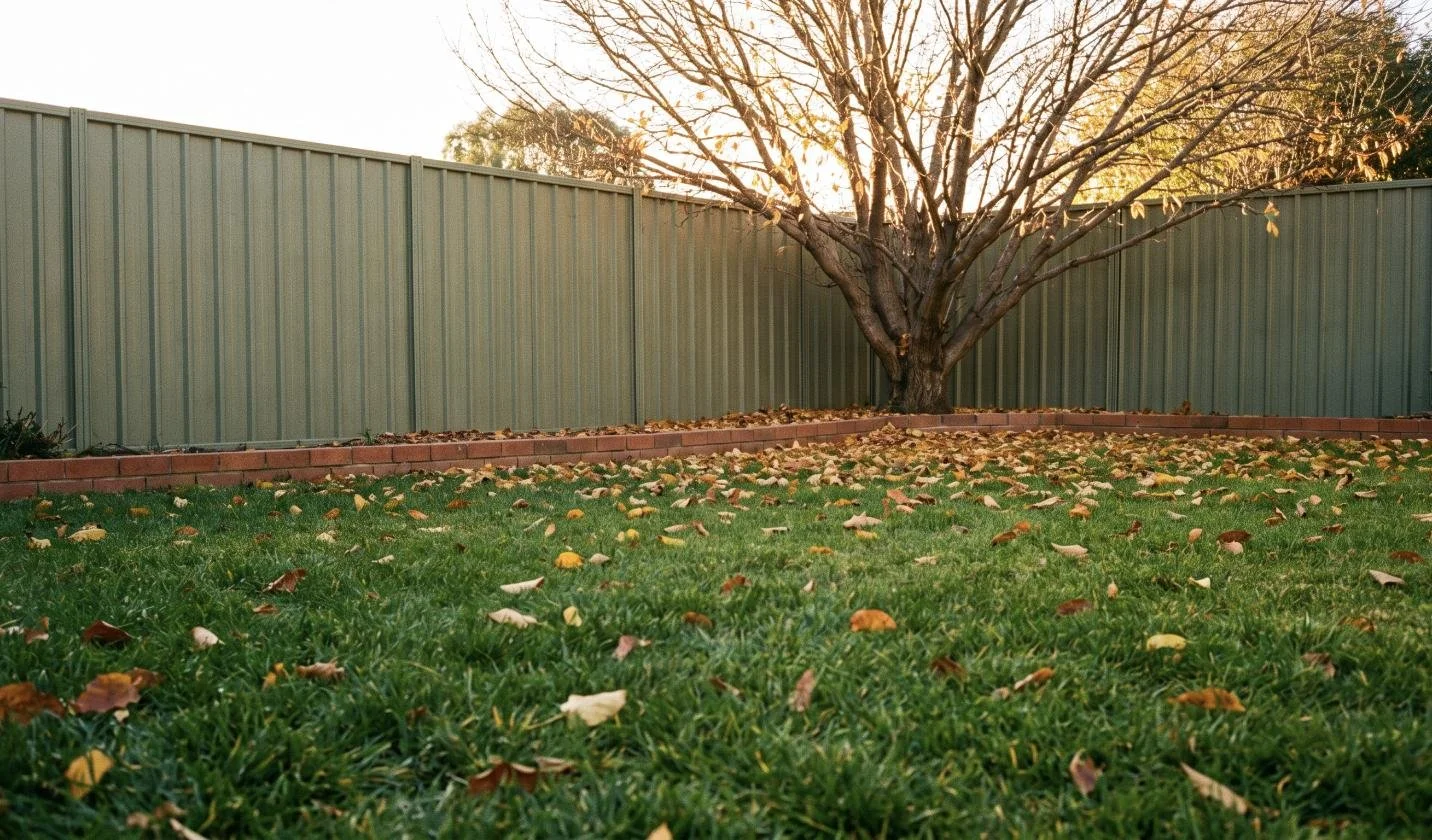
Clear debris - remove leaves and twigs weekly to improve sunlight and airflow.
Mow sparingly - typically every 4–6 weeks; keep blades sharp to prevent tearing.
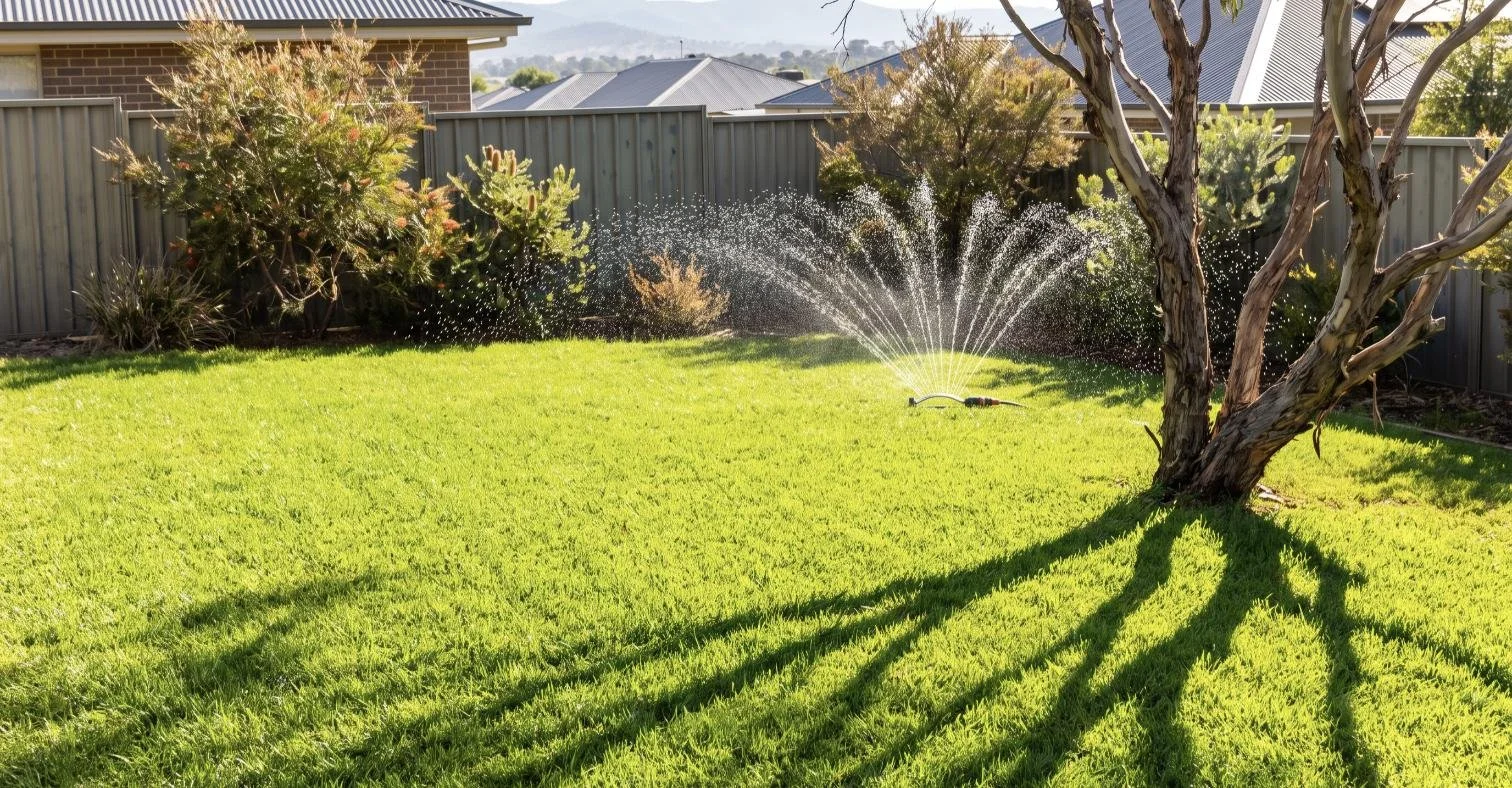
Selective watering - only water during dry spells (10+ days) and only in the morning to reduce disease risk.
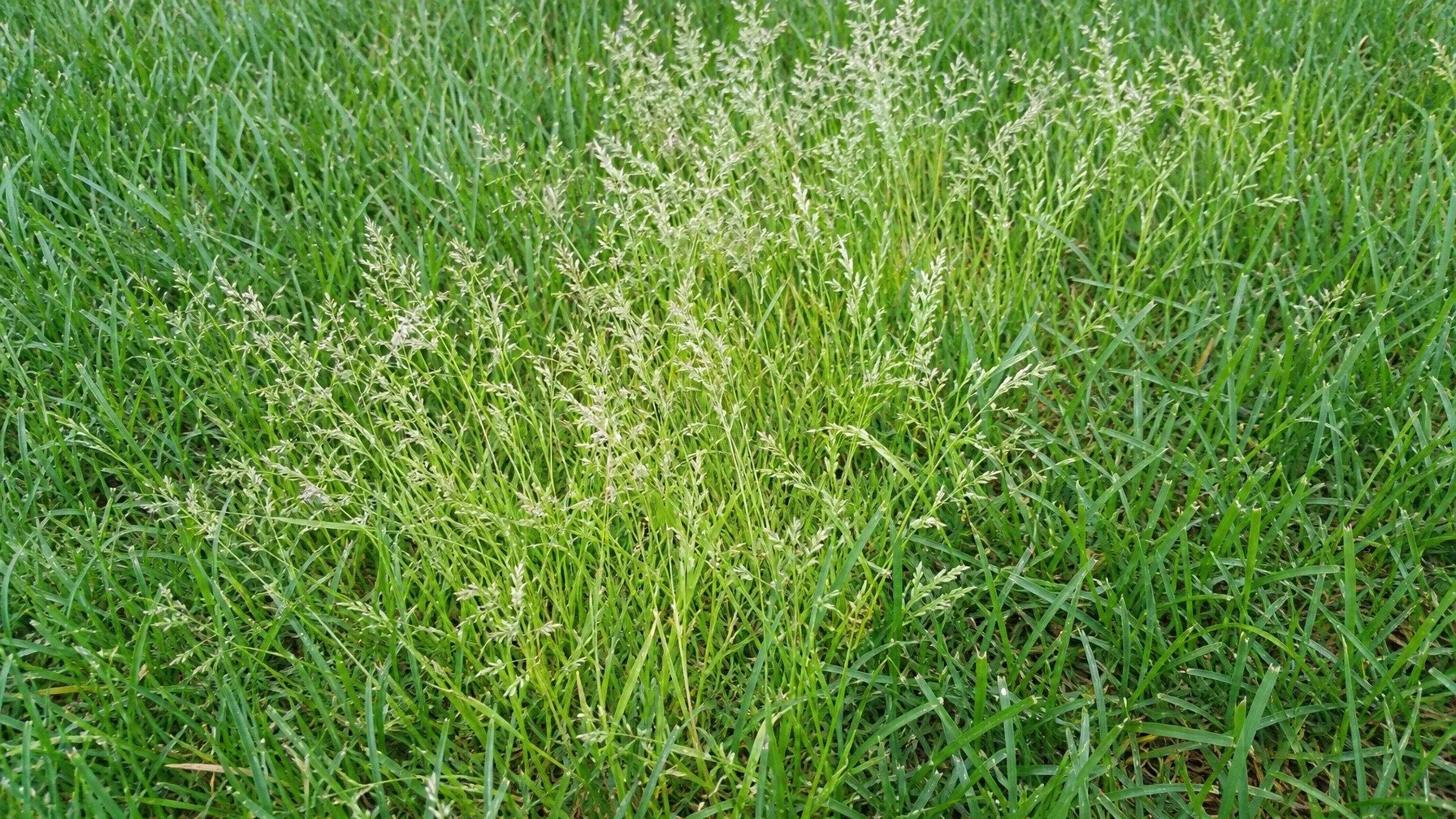
Weed control - target binds and winter grass using broadleaf treatments before seedheads emerge.
Soil prep - apply conditioners, lime, and wetting agents to enhance spring readiness.
These simple steps ensure your lawn transitions into spring healthy and resilient.
Q2: How often should I mow in winter?
A: Mowing in Canberra winter should be minimal but precise:
Monitor occasional growth on warm-season grasses.
Once growth resumes, mow at 6–8 cm height every 4–6 weeks.
Avoid mowing wet, frosty, or frozen grass to prevent blade damage or disease.
The last cut should be about a week before frost onset, adhering to the “one-third rule”, where you never reduce more than 1/3 of blade height.
Q3: Do I need to water my lawn in winter?
A: Only if there hasn’t been rainfall for 10–14 days. Best practice:
Water early morning only.
Use a hose fitted with a trigger nozzle to comply with ACT watering rules.
Avoid nocturnal watering to lower disease risk.
Q4: What weeds should I watch out for in winter?
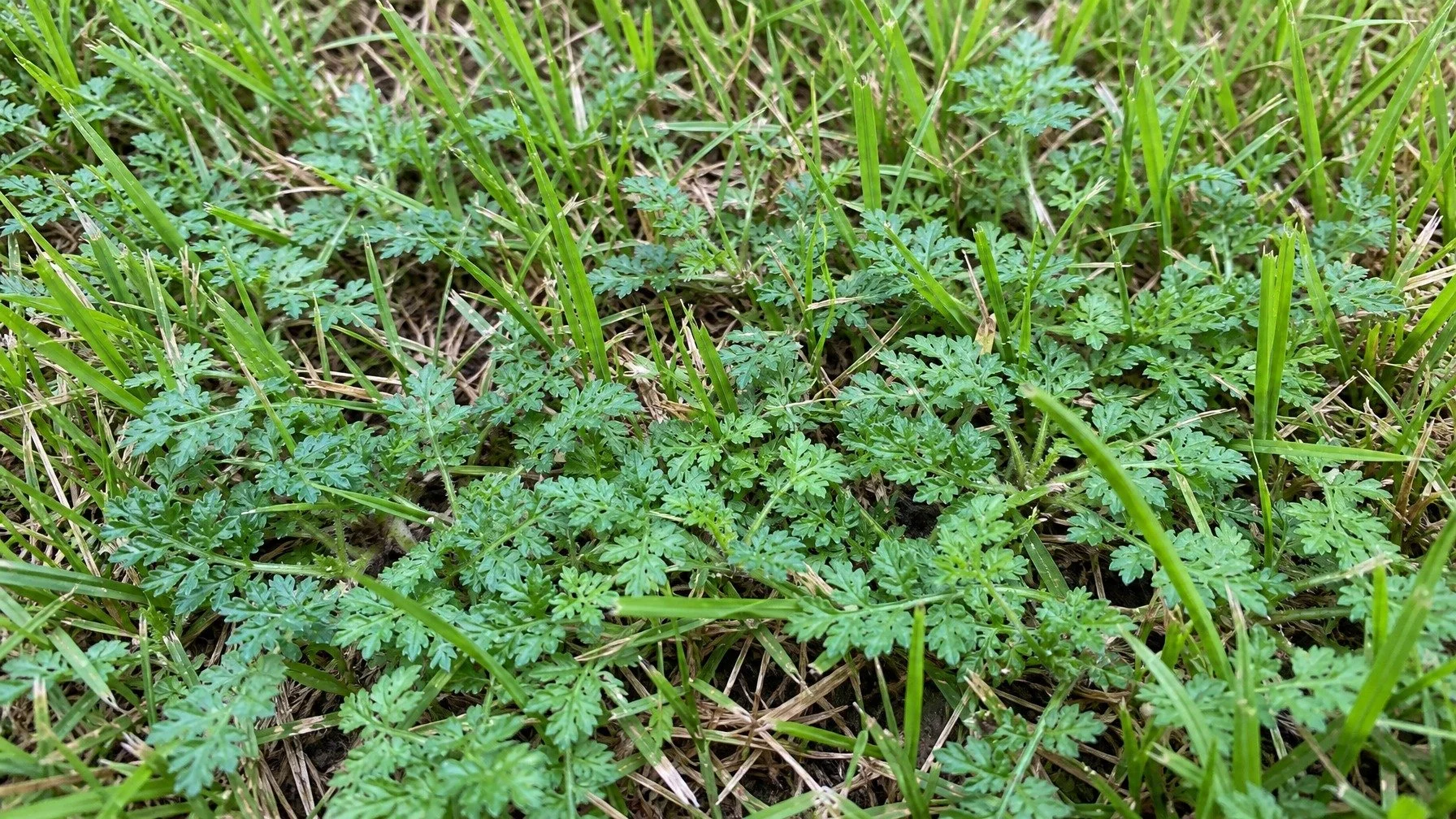
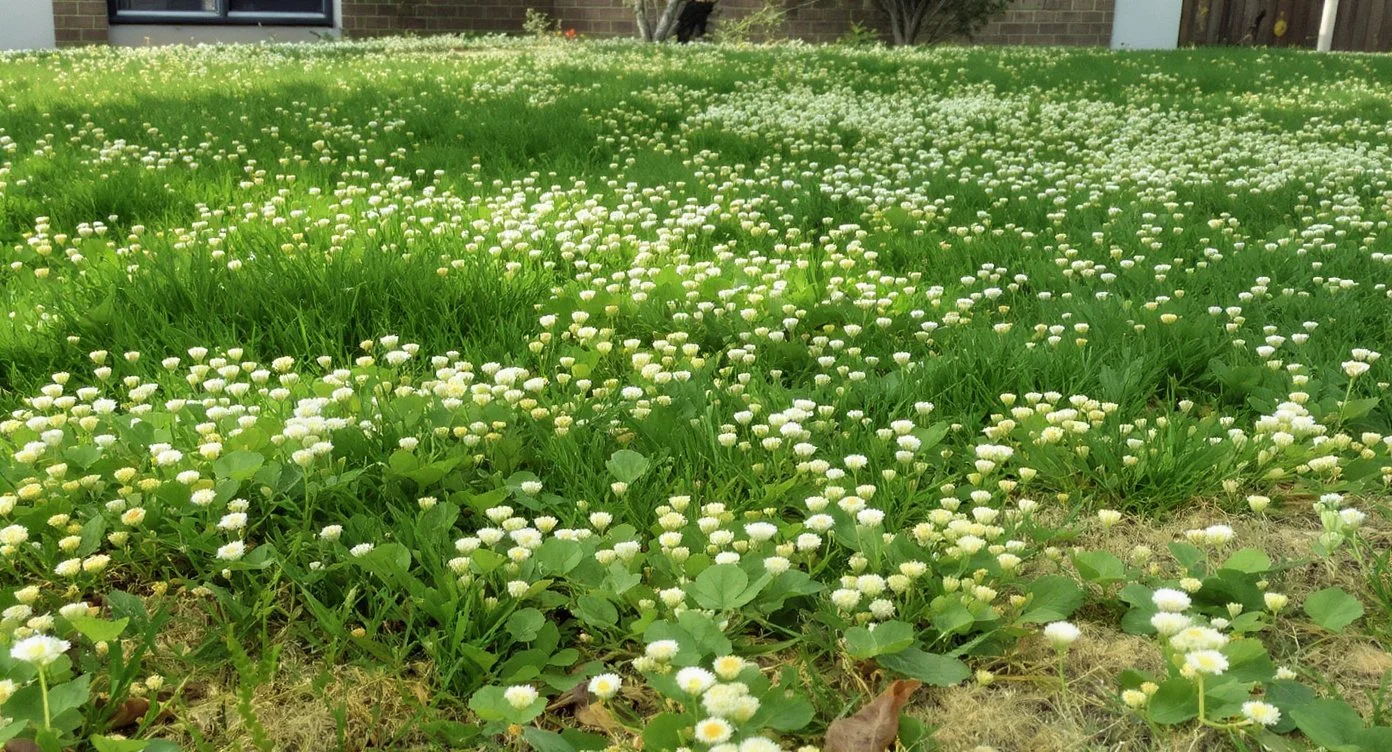
A: In Canberra winter, common lawn weeds include winter grass, creeping oxalis, clover, and bindii. Control them with broadleaf herbicides before seed production. A focused winter weed treatment prevents a major spring weed breakout.
Q5: Can I fertilise or treat my lawn in winter?
A: Yes, but with caution:
No quick-growth nitrogen fertilisers.
Consider potassium-rich or winter blend fertilisers to strengthen root systems.
Apply soil conditioners or wetting agents to prepare the soil for spring hydration.
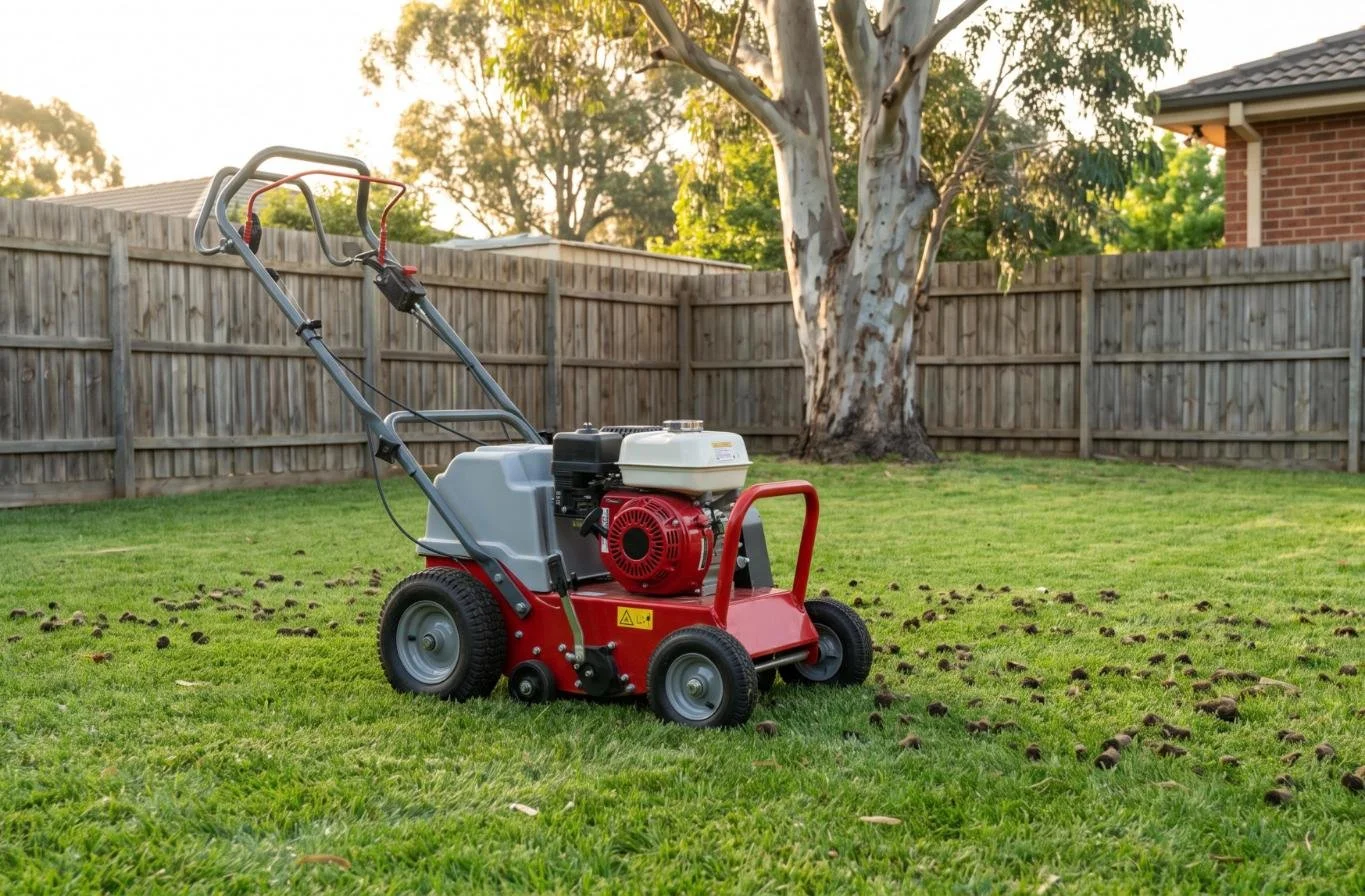
Avoid dethatching or aeration too deeply; reserve this for late winter or early spring.
This approach ensures your lawn stays healthy, not overstressed, during dormancy.
Q6: Are pests still active in winter?
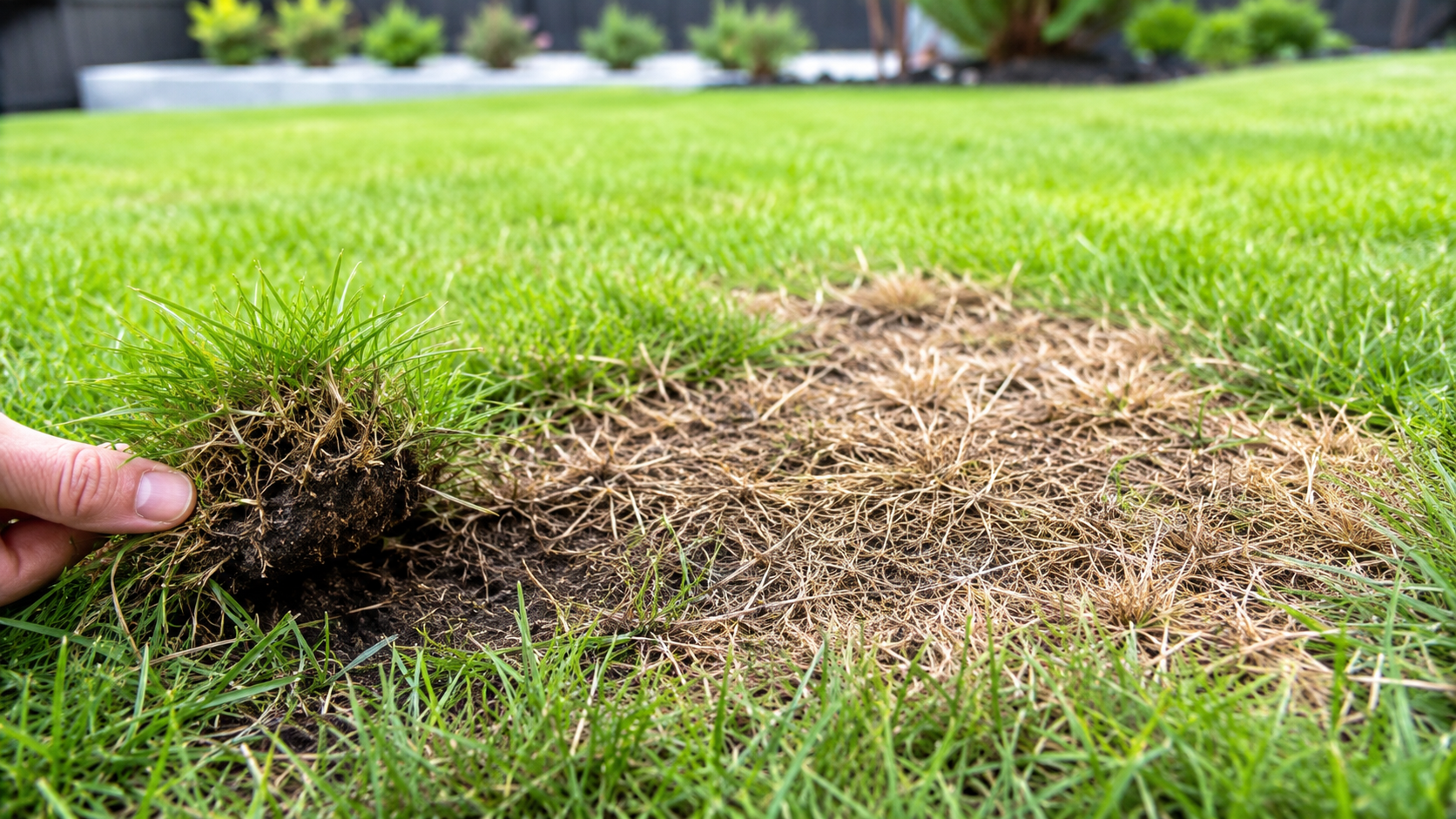
A: Less so, but vigilance pays. Grubs and beetles may overwinter underground; dry skins or small yellowing patches could hint at their presence. Inspect the soil and consider light pest treatments before spring emerges.
Q7: Is aeration safe in Canberra winter?
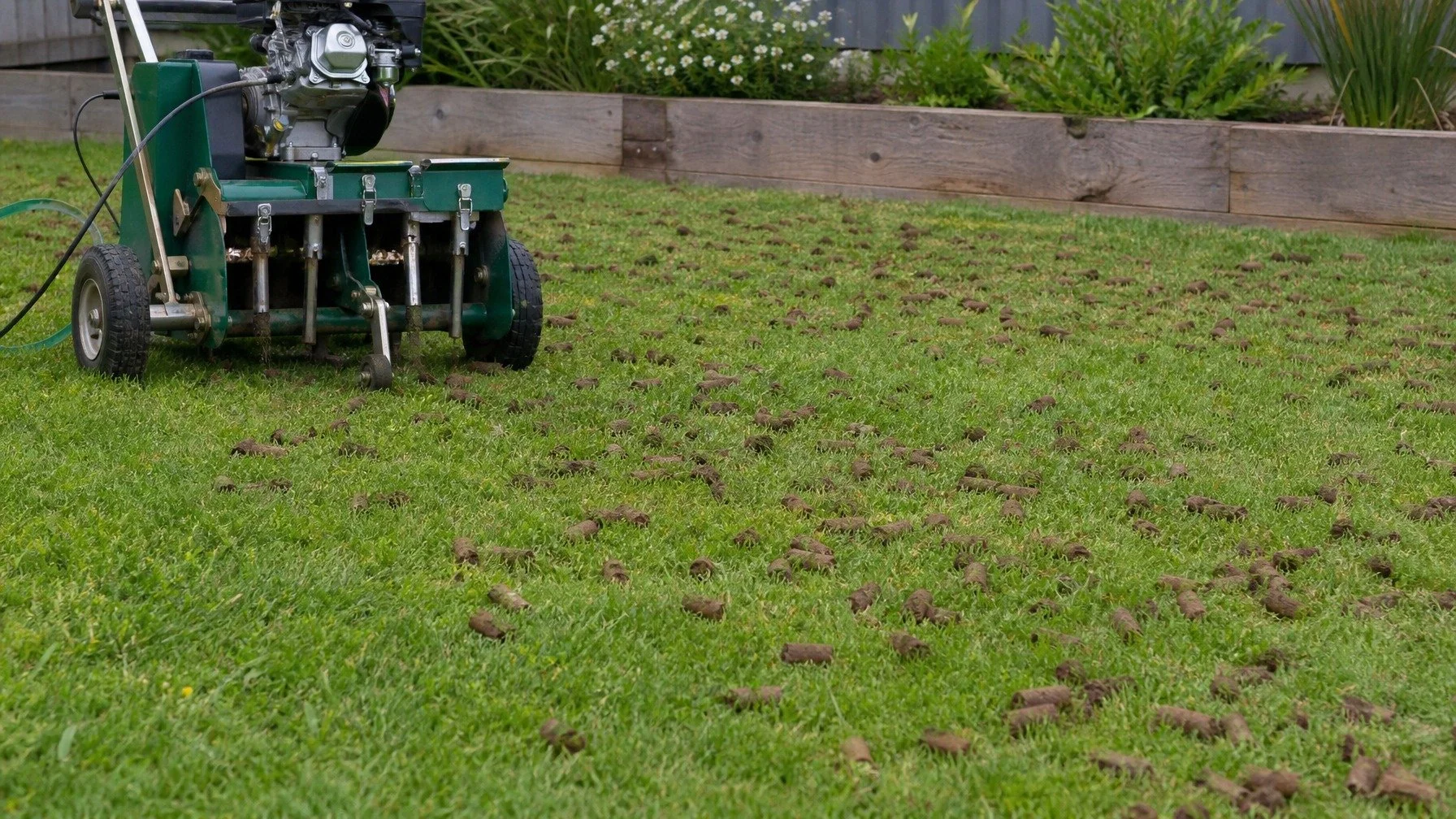
A: Light aeration can be beneficial, especially to relieve compaction. Avoid deep core aeration until late winter or early spring to minimise stress on dormant roots.
Q8: What should I include in my winter lawn checklist?
A:
Rake debris weekly
Mow dry grass every 4–6 weeks
Water only if needed (morning only)
Monitor and control key weeds
Use winter-specific lawn feed
Consider light soil conditioning
Inspect for early pest activity
Prep aeration & overseeding plan for spring
Check mower and tools
Capture changes for a spring report back to The Lawn Firm
Q9: Can I lay or repair turf during winter?
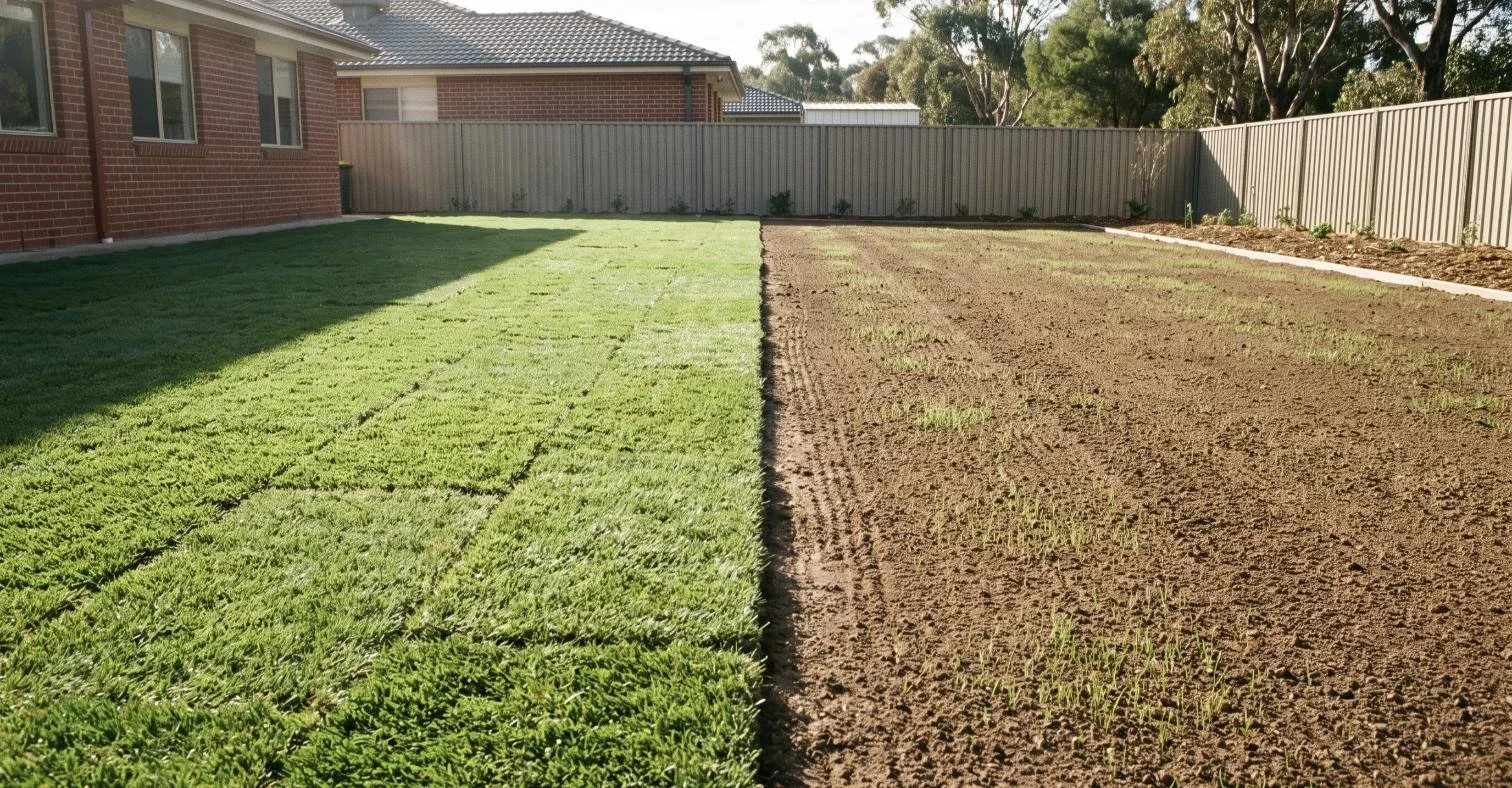
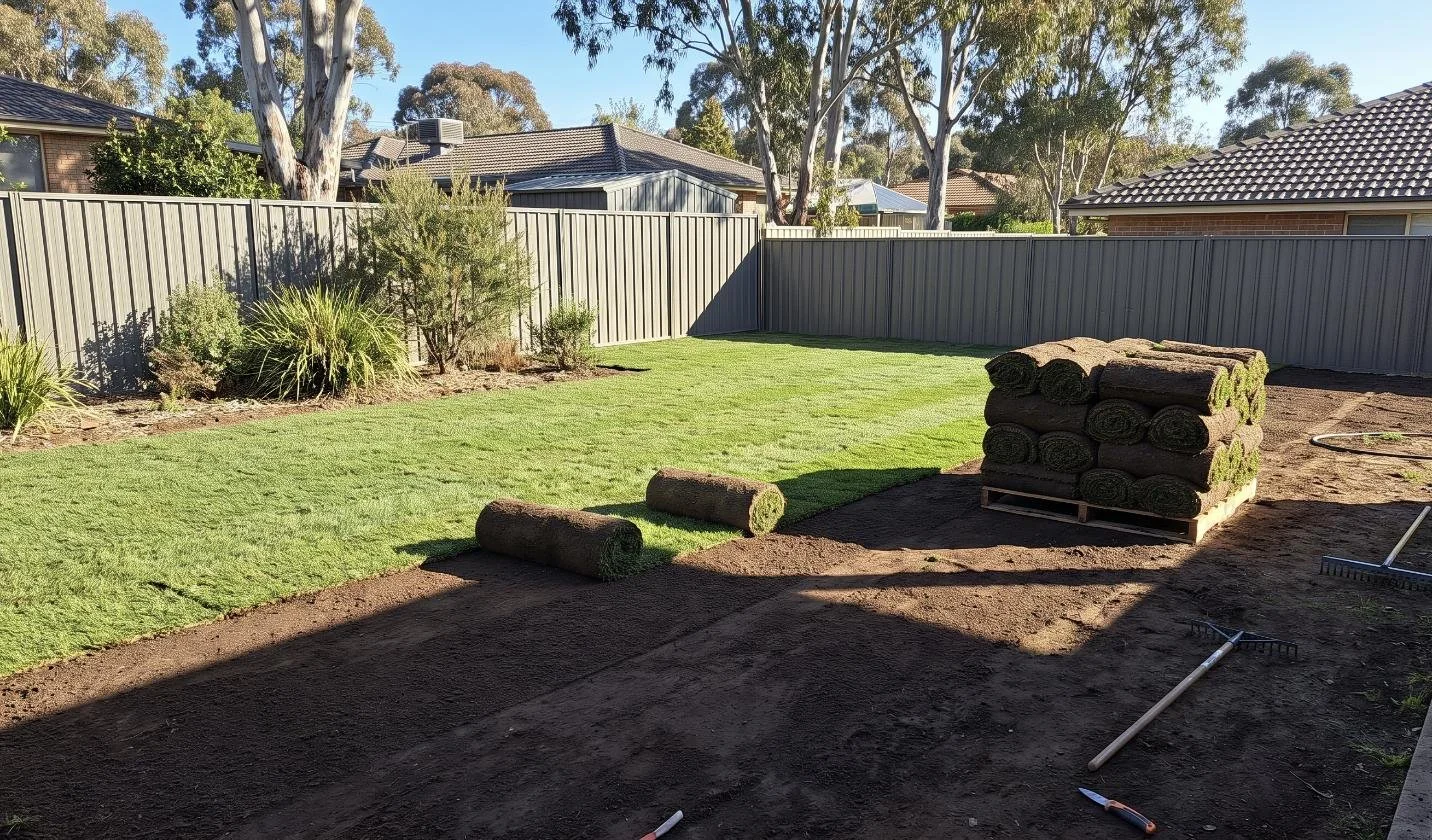
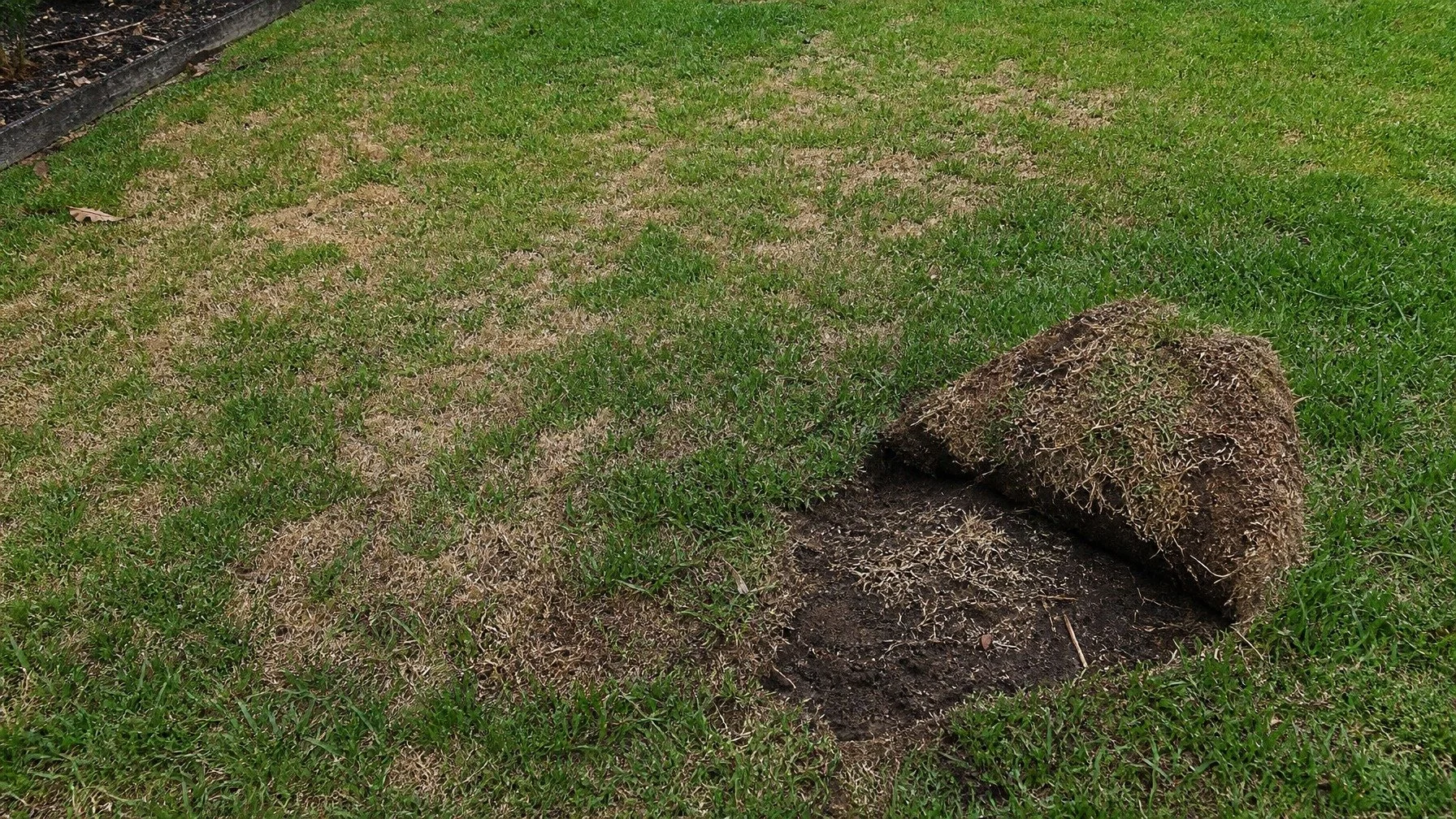
A: Yes - winter is prime for turf repairs:
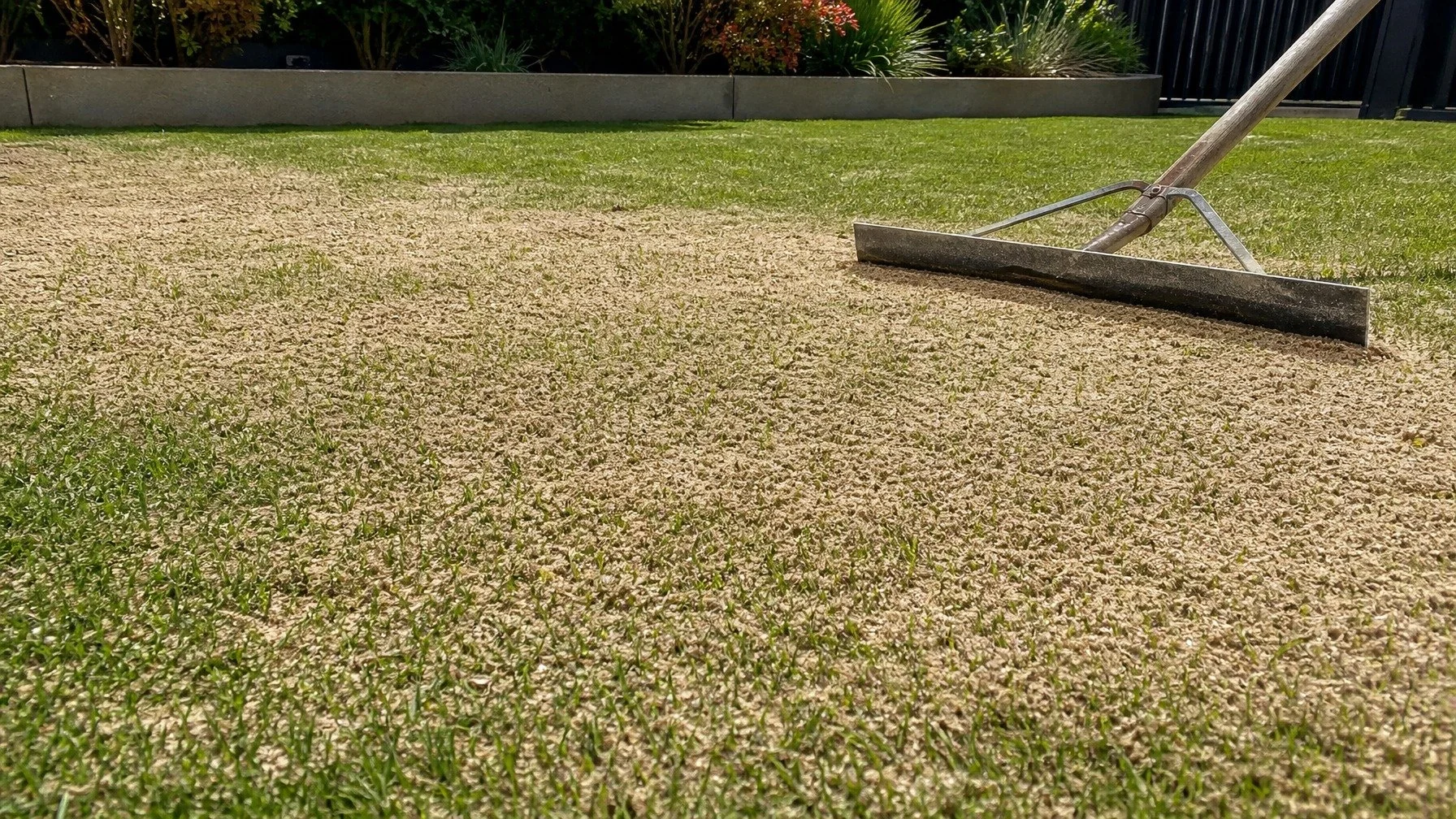
Prepare soil with lime, compost, and mild conditioners.
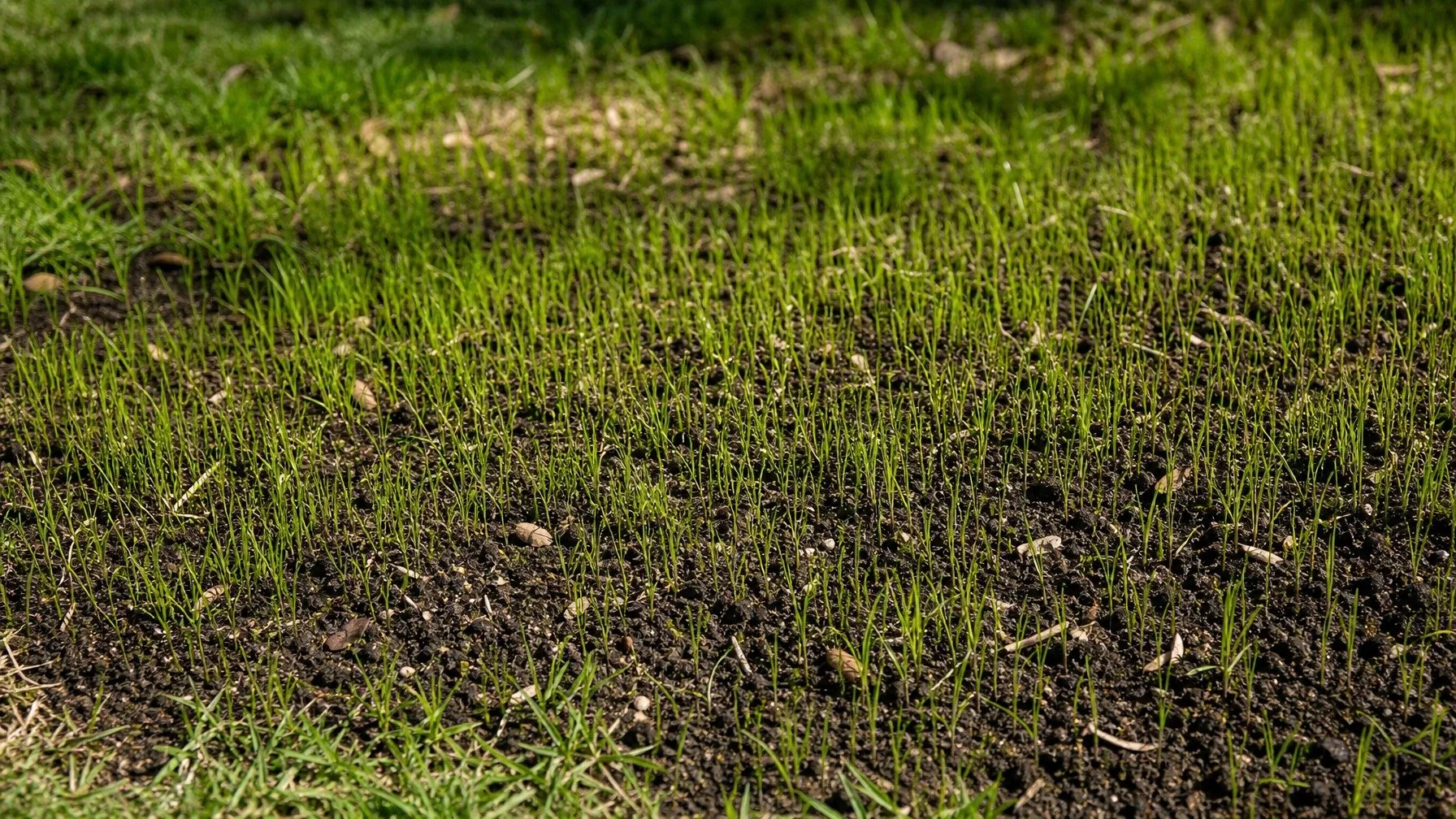
Overseed or patch small areas using compatible turf.
Light watering after installation ensures establishment, following ACT watering.
Q10: How do water restrictions affect winter care?
A: Under ACT Permanent Water Conservation Measures (June–August), you can use sprinklers or hoses any time, provided there’s no runoff. Always confirm on ACT’s Waterwise website before scheduling care.
Ready to elevate your lawn?
Imagine stepping onto a lush, vibrant lawn, without the guesswork or effort. Let me and the team at The Lawn Firm guide you with expert strategies tailored to Canberra’s unique climate.
Whether you're after a free lawn consultation, a tailored lawn care plan, or advice you can trust, we make it simple:
Call now at 0424 567 656 or email info@thelawnfirm.com.au
Let us bring out the best in your lawn - no stress, just results.
Helpful knowledge
If your Canberra lawn is thin, hard underfoot or not responding to feeding, compacted soil is often the hidden cause. In this guide, I explain what lawn aeration and coring actually do, why ACT clay soils need it, and the best time to aerate.
Clover spreading through your lawn is usually a sign the grass is hungry and thin. In this guide, I explain how I identify clover in Canberra lawns, why it appears, and how I control it for good while building turf that crowds it out.
Weeds are not just an eyesore. They are usually a sign that your lawn has opened up space for them to move in. In this guide, I explain the most common lawn weeds I see across Canberra, how I identify them, and how I build a control plan that helps the grass win the space back.
A proper lawn maintenance programme is not a quick tidy-up. It is a year-round plan built around soil health, fertilisation, weed control, pest prevention, aeration and recovery work. In this guide, I explain how I structure a Canberra lawn care programme and when to Book a Free Assessment.
Brown patches in Canberra lawns are not always caused by heat or lack of water. In this guide, I explain how I identify lawn grubs, armyworm, sod webworm and other pest issues, how I separate pest damage from dry patch or soil problems, and when to book a free assessment before the damage spreads.
If your Canberra lawn is not responding to fertiliser, aeration or regular care, the real problem may be under the surface. In this guide, I explain why soil testing matters, what it measures, and how the results help build a stronger lawn care plan.
Canberra lawns need more than a quick feed. In this guide, I explain what I’ve learnt about fertilising local lawns, how Canberra’s clay soils and seasons affect the results, and how to choose the right approach for stronger, healthier growth.
Brown patches, thinning turf and bird activity can all point to lawn pests in Canberra. In this guide, I explain what I look for, how I separate pests from other lawn problems, and when to get a free quote for fast treatment.
Canberra lawns do not respond well to generic advice. In this guide, I break down what I focus on in each season, from spring recovery and summer stress management to autumn repair work and winter weed control, so you can get a healthier lawn all year round.
Fertilisation is one of the biggest drivers of lawn density, colour and recovery in Canberra, but timing and product choice matter. In this guide, I explain why feeding matters, how to spot a hungry lawn, and how to get a free quote for the right fertilisation plan.
Weeds in Canberra lawns are rarely just a cosmetic issue. In this guide, I explain which weeds I see most often, why they keep returning, and how professional weed control helps restore a thicker, healthier lawn. Get a free quote for the right treatment plan.
Lawn care in Canberra is about far more than keeping grass tidy. In this guide, I explain what professional lawn care services should actually include, why Canberra lawns need a local approach, and how to get a free quote for the right plan.
Lawn care costs in Canberra can vary a lot, especially when you move beyond basic upkeep and into proper lawn treatments. In this guide, I explain what affects the cost of aeration, fertilising, weed control, pest management and renovation work, and how to get a free quote for the right plan.
Patchy lawn in Canberra is rarely a simple watering issue. In this guide, Nikolai explains how to diagnose the real cause, from clay soil and dry patch to pests, shade and frost damage, then walks through the right repair plan for lasting recovery.
A professional lawn care program removes the guesswork from maintaining a healthy lawn in Canberra. In this guide, Nikolai from The Lawn Firm explains how structured seasonal treatments, soil care, fertilising, weed prevention, and pest monitoring work together to deliver long-term results. Learn why planned lawn care outperforms one-off treatments and how a consistent program keeps lawns stronger, greener, and easier to manage year-round.
Hydrophobic soil is a major cause of dry patch in Canberra lawns. In this guide, Nikolai from The Lawn Firm explains why clay soils become water-repellent, how to identify dry patch quickly, and the proven process to restore even moisture using aeration, wetting agents, correct watering, and light top dressing. Learn how to stop water runoff, rebuild root depth, and prevent dry patch returning year after year.
Clay soil drainage is one of the biggest challenges for Canberra lawns. In this guide, Nikolai from The Lawn Firm explains how to identify drainage problems, why clay soils behave the way they do, and how aeration, soil amendments, top dressing, and correct watering restore oxygen and root health. Learn how to stop water pooling, reduce disease and pests, and build a stronger, easier lawn suited to Canberra conditions.
Thatch build-up is a hidden cause of many Canberra lawn problems, from dry patch and pests to poor growth and disease. In this guide, Nikolai from The Lawn Firm explains how to identify excessive thatch, when it should be removed, and how dethatching, aeration, and light top dressing restore healthy soil contact. Learn how correct mowing, watering, and seasonal care stop thatch returning and keep lawns easier to manage year-round.
Stop seasonal weeds before they start. In this Canberra-focused guide, I explain how pre-emergent works, the exact timing I use for winter and summer weeds, and the step-by-step method that locks in an even barrier—prep, precise application, and correct water-in. Pair it with steady feeding, aeration, wetting agents, and good mowing for fewer weeds and easier lawn care.
Sod webworm thins Canberra lawns fast after warm nights. In this guide, I show you how to confirm caterpillars with a simple soap flush, stop fresh feeding with a well-timed treatment, and repair damage with light top dressing, overseeding, and a gentle feed. I also set out the prevention plan, steady mowing height, seasonal fertilising, aeration, wetting agents, and morning deep watering, so outbreaks are less likely next time.
Bindii turns Canberra lawns prickly in spring and summer. In this guide, I show you how to spot it early, prevent it with better mowing height, aeration, wetting agents, and steady feeding, and control active patches before burrs harden. I also cover aftercare, light top dressing, overseeding, and deep watering to keep dense turf bindii-free.
Lawn thinning fast in Canberra? I break down the three big culprits, curl grubs, armyworm, and sod webworm, and show you how I confirm activity (patch-pull, soap-flush, night checks), prevent outbreaks with a solid ACT-ready program, and repair damage step by step. Clear timing, local watering rules, and a simple recovery sequence make pest control straightforward.
Catsear (flatweed) looks like dandelion but spreads faster and hides from the mower. In this Canberra-focused guide, I show you how to identify it quickly, prevent outbreaks with better mowing height, aeration, wetting agents, and steady feeding, and control active rosettes before they flower. I also cover aftercare, light top dressing and overseeding, so dense turf shuts catsear out.
Moss takes over where grass is weak, shade, compaction, and surface water are the usual triggers in Canberra. In this guide, I show you how to identify moss quickly, fix the cause with light, drainage, aeration, smarter watering, and better mowing, then remove existing moss and rebuild density with top dressing, overseeding, and steady feeding.
Just laid new turf in Canberra? The first 6–8 weeks decide everything. In this guide, I walk you through a simple, Canberra-specific plan for establishing new lawn: how to water within ACT’s Permanent Water Conservation Measures, when to mow for the first time, when to fertilise, and how to manage traffic, weeds, and early problems. Follow my week-by-week steps for watering, mowing, feeding, and soil care.
Struggling with thin, patchy grass under trees or beside fences? In this Canberra-focused guide, I explain how I assess shade, choose the right grass types, and adjust mowing, watering, fertilising, and soil work so lawns in low light stay greener and thicker for longer. I also cover how to deal with tree roots, leaf build-up, weeds, and moss, and when it makes sense to switch from lawn to another surface.
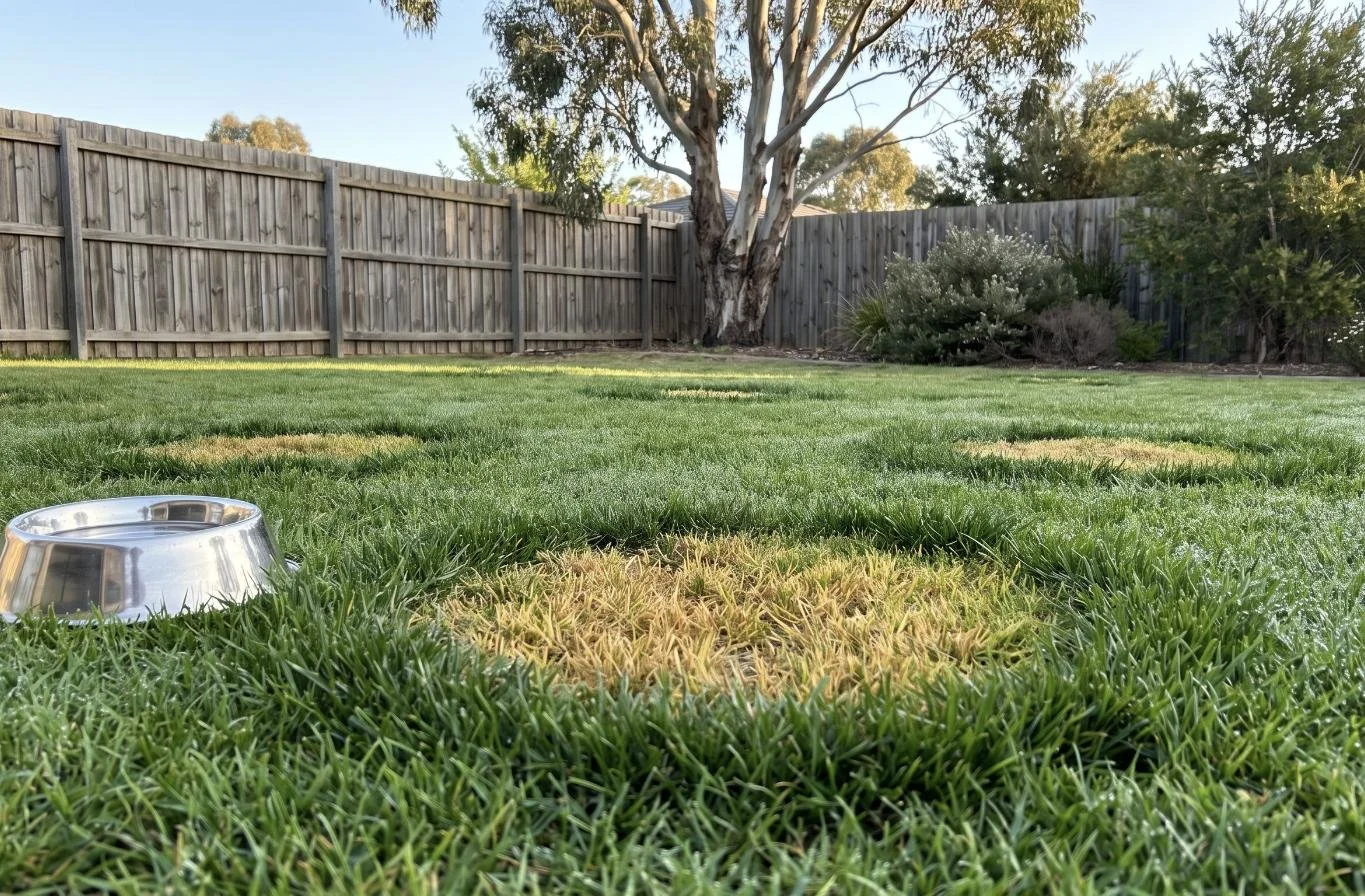
Dog urine spots are a nitrogen problem, not a pH problem. In this Canberra-ready guide, I show you how to confirm urine burn fast, flush fresh spots within Icon Water rules, and repair dead patches with top dressing and overseeding. Then I outline a prevention plan: hydration, toilet-zone training, steady feeding, and dense turf, so your lawn holds its colour.
Brown rings, coin-sized spots, or orange dust on your grass? In this Canberra-focused guide, I show you how to identify dollar spot, brown patch, and rust, fix the cause with better watering, aeration, dethatching, and nutrition, and apply targeted control when needed. I also cover quick repairs, light top dressing and overseeding, so your turf recovers fast and stays healthy through Canberra’s seasons.
Paspalum, summer grass, and crowsfoot spread fast in Canberra’s warm months. In this guide, I show you how to spot each weed quickly, prevent outbreaks with better mowing height, aeration, wetting agents, and spring pre-emergent, and control active clumps before they seed. I also cover aftercare, raking, light top dressing, overseeding, and steady feeding, so thick turf shuts weeds out.