
Identifying and Treating Common Lawn Pests in Canberra
G’day, Nikolai here from The Lawn Firm.
If a lawn goes from green to patchy fast, pests are one of the first things I check.
In Canberra, the pests I most often see are curl grubs, armyworm and sod webworm. That lines up with the pest playbook and older pest articles already on the site, and it is still the most useful way to frame the issue for local homeowners.
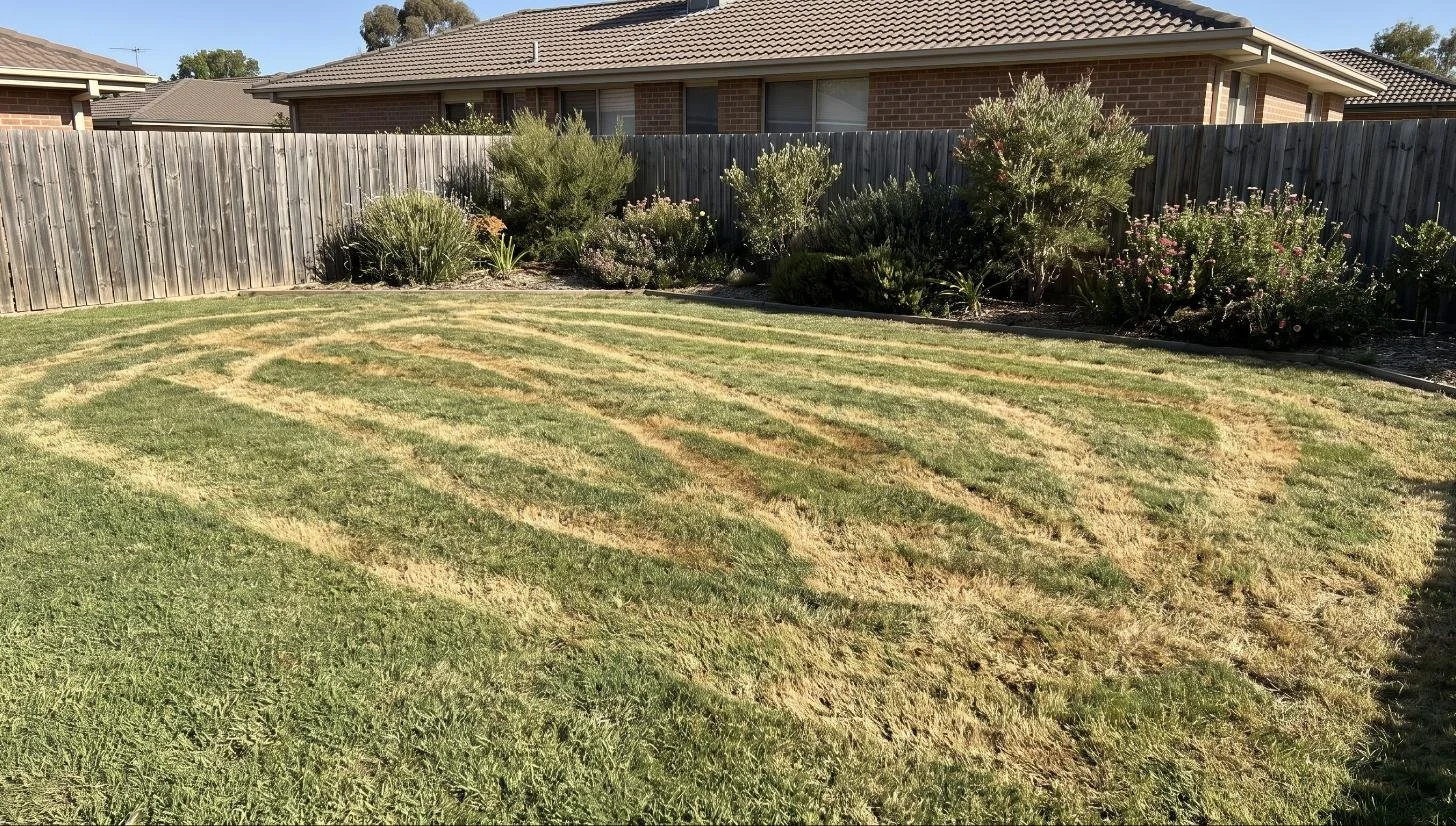
The problem is that pest damage is often confused with dry patch, compaction, drought stress or disease. So before doing anything else, I always start with the pattern of damage.
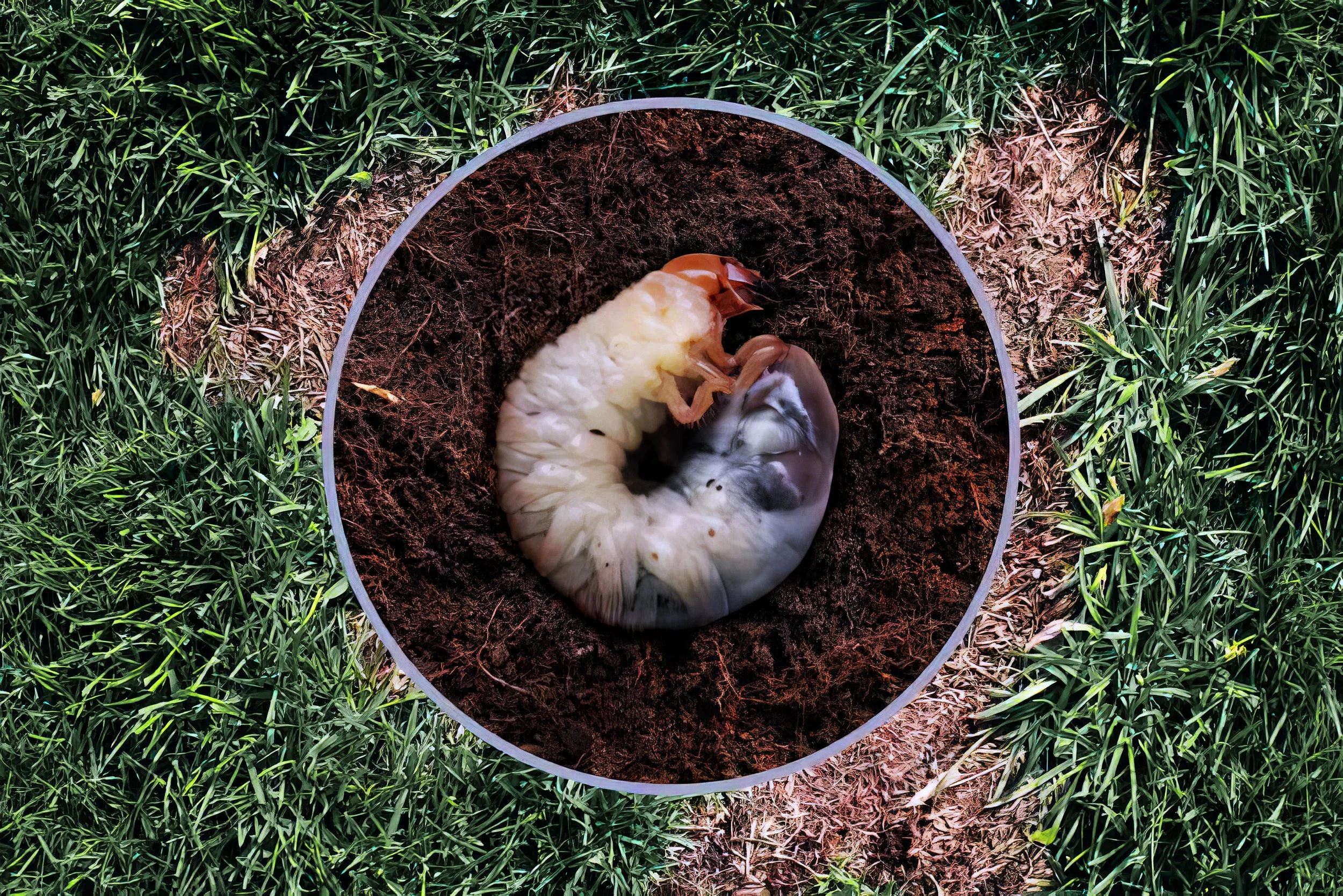
The signs I look for first
If the turf feels loose, spongy or easy to lift, I start thinking about root-zone feeding pests like curl grubs. If I see irregular chewed patches, moth activity around dusk, or fast overnight thinning, I start thinking about armyworm or sod webworm. Australian turf guidance also notes that sod webworm hides in thatch during the day and feeds at night, while armyworm is most damaging in its caterpillar stage and also tends to feed after dark.
Bird activity can also be a clue. If birds are repeatedly pecking at the lawn, they are often chasing something under the surface.
The three pests I see most often
Curl grubs
These are one of the most common causes of sudden decline. They attack the root zone, which is why the lawn can feel weak underfoot and start lifting too easily.
Armyworm
Armyworm can move fast and chew through healthy-looking turf in a short window. NSW DPI notes fall armyworm is established in NSW, and while turf homeowners more often talk about lawn armyworm in practice, the broader message is the same - caterpillar feeding can escalate quickly.
Sod webworm
Sod webworm often shows up as grazed-looking patches and thinning turf after warm nights. The larvae stay hidden in the thatch during the day and come out to feed at night, which is why homeowners often miss them early.
DIY vs professional treatment
DIY treatment can work if you identify the pest correctly, choose the right product, and apply it at the right time. But this is exactly where people lose ground, because by the time they are sure it is pests, the damage is usually already spreading.
My approach is simple. First I confirm whether it is pests at all. Then I match the treatment to the likely culprit. Then I deal with recovery, because killing the pest is only half the job. The lawn usually needs help filling back in afterwards, whether that means topdressing, overseeding, a gentle feed, or a bigger repair plan. That same repair sequence already runs through my pest and patchy lawn articles, and I would keep that structure here.
When to get help quickly
If the lawn is deteriorating over days rather than weeks, or if brown patches are spreading fast, I would not sit on it. Pests can strip density out of a lawn quickly, and the longer it is left, the more repair work is usually needed afterwards.
If you think pests are attacking your lawn, get a free quote and I’ll help you work out whether you are dealing with grubs, armyworm, sod webworm, or something else entirely.
Final word
The best lawn pest treatment is fast diagnosis, the right control method, and a proper recovery plan afterwards.
Looking for the perfect gift for the lawn enthusiast in your life? The Lawn Firm Gift Cards are the ideal solution. Redeemable for any of our professional lawn care services, these gift cards make it easy to give the gift of a greener, healthier lawn. From fertilisation to weed control and pest management, there’s something for every lawn need.
Why Choose a Lawn Firm Gift Card?
Versatility: Can be used for any service offered by The Lawn Firm.
Thoughtful Giving: A practical gift for anyone who values a beautiful outdoor space.
Simple to Use: Purchase online and enjoy easy redemption.
Order your gift card today and let your loved ones experience the professional touch of The Lawn Firm. It’s the perfect way to show you care while helping someone achieve the lawn of their dreams.
This gift card never expires.