
The Complete Guide to Lawn Fertilisation in Canberra
G’day, Nikolai here from The Lawn Firm. Fertilising a lawn sounds simple, but in Canberra, I have learnt that it is rarely as straightforward as throwing down a product and waiting for the grass to turn green.
Our lawns deal with a tough mix of conditions. Canberra has heavy clay soils that can be hard to wet in winter and dry out in summer, which means nutrients and moisture do not always move through the soil evenly. That affects how well the lawn responds to fertiliser, how deep the roots grow, and how quickly the grass bounces back after stress.
That is why I see fertilisation as part of a bigger lawn care plan, not a one-off job.
If you want to know what your lawn actually needs, the best next step is to Book a Free Assessment. I can look at the grass, the soil, the season and the condition of the lawn, then recommend the right fertilisation approach for your place.

Why fertilisation matters for Canberra lawns
A healthy lawn needs nutrients to grow, repair and stay dense. When those nutrients are missing or out of balance, the lawn usually starts to show it.
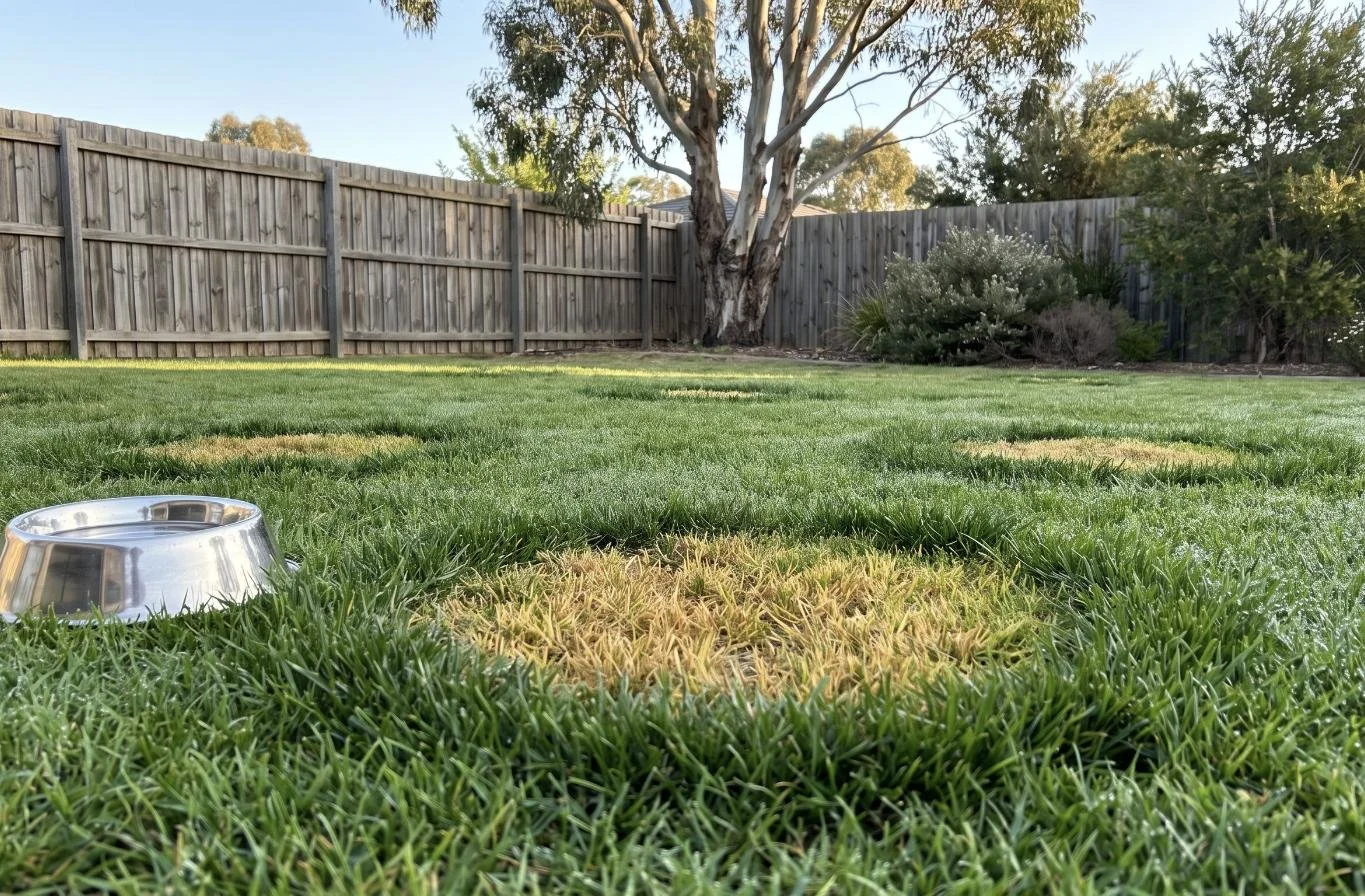
You might notice pale colour, slow growth, thin coverage, weak recovery, more weeds, or patches that never seem to thicken properly. Sometimes people assume the lawn just needs more water, but the real issue is often nutrition, soil health, compaction, or a combination of all three.
Most lawn fertilisers are built around three key nutrients: nitrogen, phosphorus and potassium. These are often shown as NPK on the fertiliser bag. Nitrogen supports green leaf growth, phosphorus helps with root development, and potassium helps the lawn handle stress and stay stronger overall.
But the “best fertiliser” is not always the one with the biggest numbers on the label. The best fertiliser for a Canberra lawn is the one that suits the grass type, the soil, the season, and the actual condition of the lawn.
That’s where local experience matters…
What I’ve learnt on my journey to finding the best fertiliser approach
Over time, I moved away from thinking of fertiliser as just a product choice; I now see it as a timing and diagnosis decision.
A lawn that is actively growing needs a different approach from a lawn that is under winter stress. A compacted lawn needs more than just nutrients. A dry, water-repellent lawn may not take up fertiliser properly until the moisture issue is sorted. A lawn full of weeds may need to become denser before fertiliser really delivers the result you want.
That is why I do not believe there is one perfect fertiliser for every Canberra lawn. There is only the right fertiliser, at the right time, for the right lawn.
If you are unsure what your lawn needs, Book a Free Assessment, and I’ll help you work it out properly.

Understanding Canberra’s lawn growth cycle
Canberra lawns follow a very seasonal rhythm…
In spring, warm-season lawns start waking up after winter. This is usually when I want to encourage healthy new growth and help the lawn recover from cold-weather stress.
In summer, the focus shifts to supporting the lawn through heat, dry spells and heavier use. This is where slow, steady feeding can be more useful than pushing the lawn too hard.
In autumn, I like to strengthen the lawn before winter. This is one of the most important fertilisation windows because it helps the grass build resilience before growth slows down.
In winter, most warm-season lawns slow right down or go dormant. In most cases, this is not the time to force growth. It is more about protecting the lawn, keeping weeds under control, and preparing for the next active season.
That seasonal structure is the same approach I have used in my earlier fertilising guides: spring to wake the lawn up, summer to support it through heat, autumn to strengthen it, and winter to avoid unnecessary feeding unless there is a specific reason.
When to fertilise your lawn in Canberra
As a general guide, these are the main windows I look at.
Early spring
Early spring is about recovery. The lawn is coming out of winter, and the goal is to encourage fresh, healthy growth once the grass is ready to respond.
This is not about overloading the lawn. It is about giving it the right support as it moves back into active growth.
Late spring to early summer
This is when the lawn is usually growing more strongly. A well-timed application can help with density, colour and general health before the strongest summer stress arrives.
Summer
In summer, I am careful. Canberra heat can place a lot of pressure on turf, especially where soil is compacted, dry, or unevenly watered. The wrong fertiliser at the wrong time can create more stress, so I prefer a steady, controlled approach.
Autumn
Autumn is one of the most important times to fertilise in Canberra. The aim is not just colour. It is strength.
A good autumn fertilisation plan helps the lawn recover from summer and prepare for winter. This is often when I focus more on resilience, root health and preparing the lawn to handle colder conditions.
Winter
For most warm-season lawns, winter is not the main feeding season. Growth slows down, and forcing the lawn can be a waste of effort. There are exceptions, but they should be based on the lawn’s condition, not guesswork.
If you want a seasonal fertilisation plan that suits your lawn, Book a Free Assessment and I’ll recommend the right timing.
Choosing the right fertiliser for Canberra lawns
There are a few main fertiliser types homeowners usually hear about.
Slow-release fertiliser
Slow-release fertiliser feeds the lawn gradually over time. I often prefer this style of feeding because it is steadier and less aggressive than a quick hit. For Canberra lawns, especially through warmer months, a controlled release can help support growth without pushing the grass too hard.
Organic fertiliser
Organic fertilisers can help improve soil condition over time. They are often useful where the goal is not just feeding the grass, but improving the life and structure of the soil. This can be helpful in Canberra, where clay soils often need more than surface-level treatment.
Liquid fertiliser
Liquid fertilisers can work quickly and are sometimes useful when the lawn needs a more immediate boost. The downside is that they may not always provide the longer, steady feeding effect that some lawns need.
Balanced fertiliser
A balanced fertiliser can be useful when the lawn needs general support. However, I still want to know what is happening in the soil and what season we are in before choosing a product.
High-potassium fertiliser
Potassium can be useful when the goal is stress tolerance and resilience. This is often relevant heading into tougher seasonal conditions.
The key point is simple: the best fertiliser is the one matched to the lawn’s needs.
Why soil condition matters before fertilising
A lot of fertilisation problems are actually soil problems.
If the soil is compacted, dry, water-repellent, or poorly structured, fertiliser will not perform as well as it should. In Canberra, clay soils can make this even more noticeable because water and nutrients may not move evenly through the root zone.
That is why I often look at soil improvement before, or alongside, fertilisation.
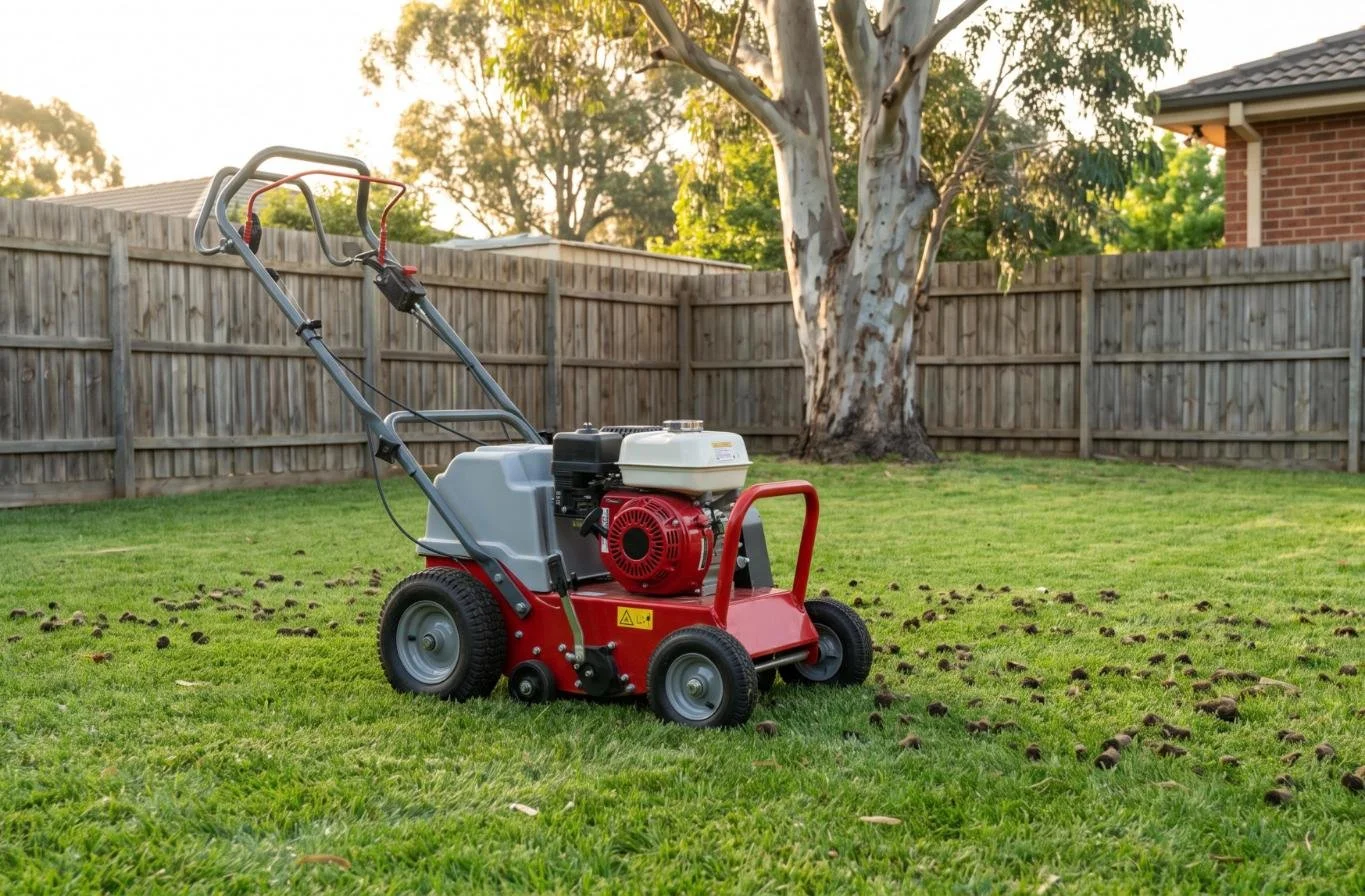
Aeration, wetting agents, topdressing and soil amendments can all play a role depending on the lawn. If the ground is not accepting water properly, feeding alone may not solve the problem.
Common signs your lawn needs fertilisation
Your lawn may need fertilisation if you are seeing:
pale or yellowing grass
slow growth during the active season
thin or weak coverage
poor recovery after stress
weeds moving into bare areas
uneven colour across the lawn
patches that do not thicken despite regular care
The important thing is to avoid guessing. Yellowing might be a nutrition issue, but it could also be water stress, soil compaction, poor drainage, pests, or seasonal dormancy.
That is why I always prefer to assess the lawn first.
My fertilisation process
When I look at a lawn, I do not start by asking, “What product should I use?”
I start with these questions:
What grass type are we working with?
What season are we in?
Is the lawn actively growing?
Is the soil compacted or dry?
Are weeds or pests competing with the grass?
Is the lawn thin because it needs nutrients, or because the root zone is struggling?
From there, I can decide whether the lawn needs fertiliser, soil work, weed control, aeration, or a more complete plan.
That is the difference between a quick feed and proper lawn care.
Mistakes we see homeowners make
The most common mistake is over-fertilising. More is not always better. Too much fertiliser can burn the lawn, waste money, and create unnecessary environmental pressure.
The second mistake is fertilising at the wrong time. If the grass is not actively growing or is under heavy stress, the result can be disappointing.
The third mistake is applying fertiliser unevenly. This can create stripes, patchy colour and inconsistent growth.
The fourth mistake is fertilising without fixing the soil. If the lawn is compacted or hydrophobic, the fertiliser may not reach the roots properly.
And the final mistake is treating every lawn the same. Canberra lawns vary a lot. Shade, turf type, soil condition and watering habits all change the plan.
Professional fertilisation vs DIY
DIY fertilising can work if you know your lawn, understand the season and apply the right product correctly.
But professional fertilisation gives you a more complete plan. I can look at the lawn, understand the cause of the problem, choose the right treatment, and time it properly.
That matters because fertilisation is not just about making the lawn greener today. It is about helping the lawn become stronger, denser and easier to manage over time.
If you are tired of guessing, get in touch, and I’ll help you build a fertilisation plan that suits your lawn.
FAQs
What is the best fertiliser for Canberra lawns?
The best fertiliser for Canberra lawns depends on the grass type, soil condition and season. In many cases, I prefer a controlled, slow-release approach because it supports steady growth rather than forcing the lawn too quickly. The right product should be chosen after looking at the lawn properly.
When should I fertilise my lawn in Canberra?
For many warm-season Canberra lawns, the main fertilising windows are spring, summer and autumn. Spring helps the lawn recover from winter, summer supports active growth, and autumn strengthens the lawn before colder weather. Winter fertilisation is usually limited unless there is a specific reason.
Should I fertilise my lawn in winter?
Most warm-season lawns in Canberra slow down or go dormant in winter, so I generally avoid pushing heavy fertilisation at that time. Winter care is more about protection, weed control and preparing for the next growing season.
Is organic fertiliser better for Canberra lawns?
Organic fertiliser can be a good option, especially where soil health is a priority. It can help support the soil over time, but it still needs to be applied correctly. Organic does not automatically mean it is right for every lawn or every situation.
Why did my lawn turn yellow after fertilising?
Yellowing after fertilising can happen for several reasons, including over-application, uneven spreading, fertilising during stress, poor watering, or an underlying soil issue. If this happens, it is worth getting the lawn assessed before applying more product.
Do I need soil testing before fertilising?
Soil testing can be very helpful, especially if the lawn is not responding well to standard care. It can show nutrient imbalances and pH issues that may be affecting growth. Even without formal testing, I always look closely at soil behaviour before recommending a fertilisation plan.
Can fertiliser fix a patchy lawn?
Sometimes, but not always. If the patchiness is caused by poor nutrition, fertiliser may help. If it is caused by compaction, dry patch, pests, shade, drainage or worn-out turf, fertiliser alone will not fix it. That is why diagnosis matters.
How do I book a fertilisation assessment?
Click here to book a free assessment, and I’ll take a proper look at your lawn. From there, I can recommend the right fertilisation schedule, product type and supporting lawn care plan.


Looking for the perfect gift for the lawn enthusiast in your life? The Lawn Firm Gift Cards are the ideal solution. Redeemable for any of our professional lawn care services, these gift cards make it easy to give the gift of a greener, healthier lawn. From fertilisation to weed control and pest management, there’s something for every lawn need.
Why Choose a Lawn Firm Gift Card?
Versatility: Can be used for any service offered by The Lawn Firm.
Thoughtful Giving: A practical gift for anyone who values a beautiful outdoor space.
Simple to Use: Purchase online and enjoy easy redemption.
Order your gift card today and let your loved ones experience the professional touch of The Lawn Firm. It’s the perfect way to show you care while helping someone achieve the lawn of their dreams.
This gift card never expires.