How to Identify, Prevent and Control Clover in Canberra Lawns
G’day, Nikolai here from The Lawn Firm.
If clover keeps spreading through your lawn, I want to start with the part most people miss. Clover is rarely the real problem. It is a symptom.
White clover moves into a lawn when the grass has gone thin, hungry or patchy enough to give it room. It is brilliant at colonising weak turf because it makes its own nitrogen, so it thrives in exactly the conditions where your grass is struggling. That is why a quick spray often knocks it back for a few weeks, and then it returns.
In Canberra, I see clover in lawns right across the seasons, but it really takes off through the warmer months when a tired, underfed lawn slows down and opens up. The good news is that clover is very controllable once you treat both halves of the problem: the clover you can see, and the weak lawn that let it in.
If clover is taking over and you want a proper plan rather than another short-term fix, Book a Free Assessment and I’ll work out why it is there and how to get your grass back in front.
The quick answer: why clover keeps coming back
Clover keeps coming back because your lawn is undernourished and not dense enough to hold it out.
White clover fixes its own nitrogen from the air, so it actually does best in low-nitrogen soil, the same soil that leaves your grass pale, slow and thin. Kill the clover without feeding and thickening the lawn, and you have simply cleared space for the next patch.
So my approach to clover weed control is always two parts: control what is growing now, and fix the conditions that invited it in.
What is clover and why does it appear in Canberra lawns?
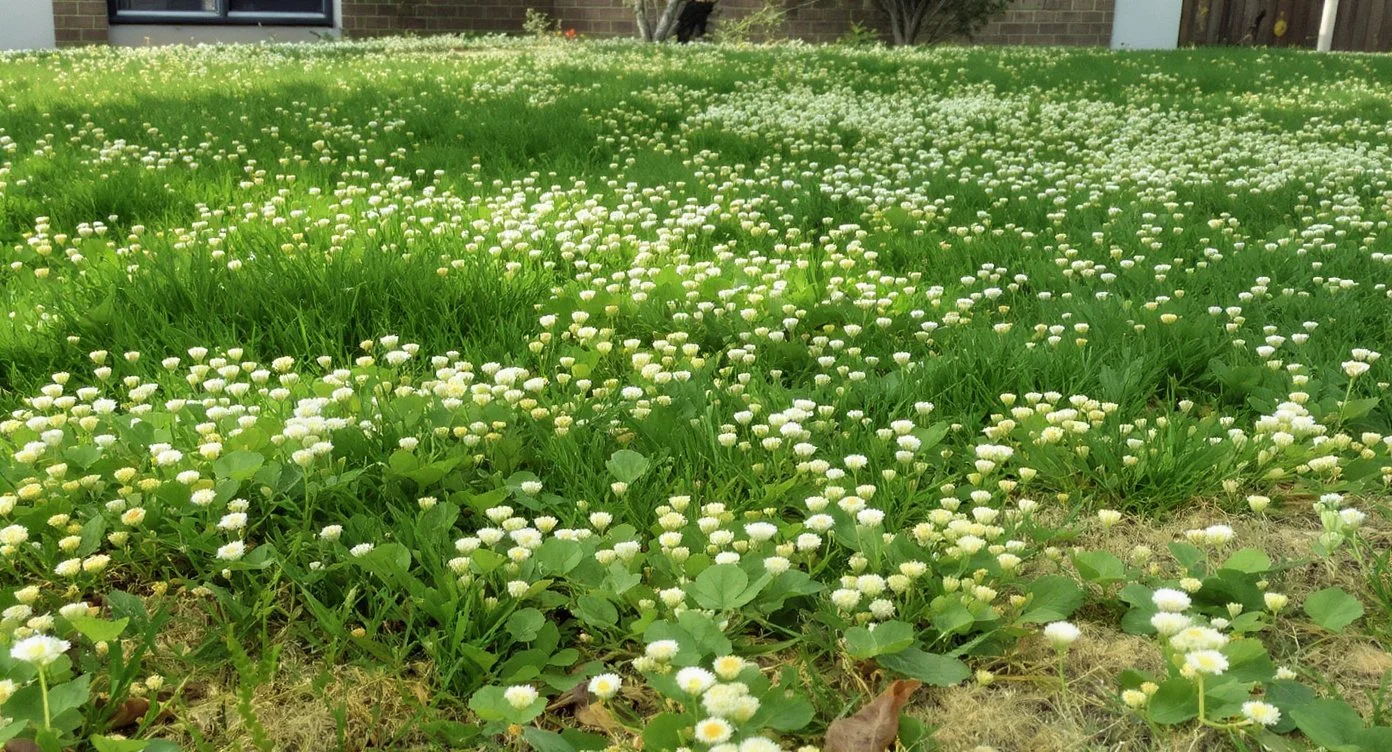
The clover I see most in Canberra lawns is white clover (Trifolium repens), a low, creeping broadleaf weed with the classic three-leaf clusters and small white-to-pinkish flowers through the warmer months.
It spreads two ways: by seed, and by creeping stems (stolons) that root as they run across the surface. That creeping habit is why a small patch can quietly become half the lawn over a season.
Clover appears for a handful of very common reasons, and in Canberra I usually see more than one at once:
Low nitrogen. This is the big one. Clover makes its own nitrogen, so it outcompetes hungry grass on poor soil.
Thin or patchy turf. Bare and weak areas are an open invitation.
Compacted soil. Hard, compacted ground holds grass back but does not bother clover much.
Mowing too low. Scalping the lawn weakens the grass and exposes the soil clover needs.
Drought stress. When the lawn browns off and thins in summer, clover holds on better than struggling grass.
Understanding the cause matters, because it tells me whether your lawn needs feeding, aeration, repair, or a full programme alongside the actual weed control.
How to identify clover in your lawn
Clover is one of the easier lawn weeds to identify once you know what you are looking at.
Look for:
Leaves in groups of three rounded leaflets, often with a faint pale crescent or watermark across each one.
Growth habit that hugs the ground and spreads outward in a dense mat rather than growing upright.
Flowers that are small, white or pinkish, rounded and clustered, usually buzzing with bees through summer.
Texture that feels softer, denser and a slightly different green to the surrounding grass.
The weed people most often confuse with white clover is creeping oxalis, one of the common lawn weeds I see across Canberra. Both are low and spreading, but oxalis has smaller, heart-shaped leaflets and yellow flowers, while clover has rounded leaflets and white flowers. Getting that identification right matters, because the two are not always treated the same way.
If you are not certain what you are dealing with, that is exactly the kind of thing I confirm on a Free Assessment before recommending anything.
Why clover can be a problem for your lawn
Some people do not mind a bit of clover, and that is fair enough. But when the goal is a clean, even, consistent lawn, clover causes a few real problems.
First, it competes. Clover takes space, light and surface room that you want your grass to fill, and its creeping mat can gradually push the turf out.
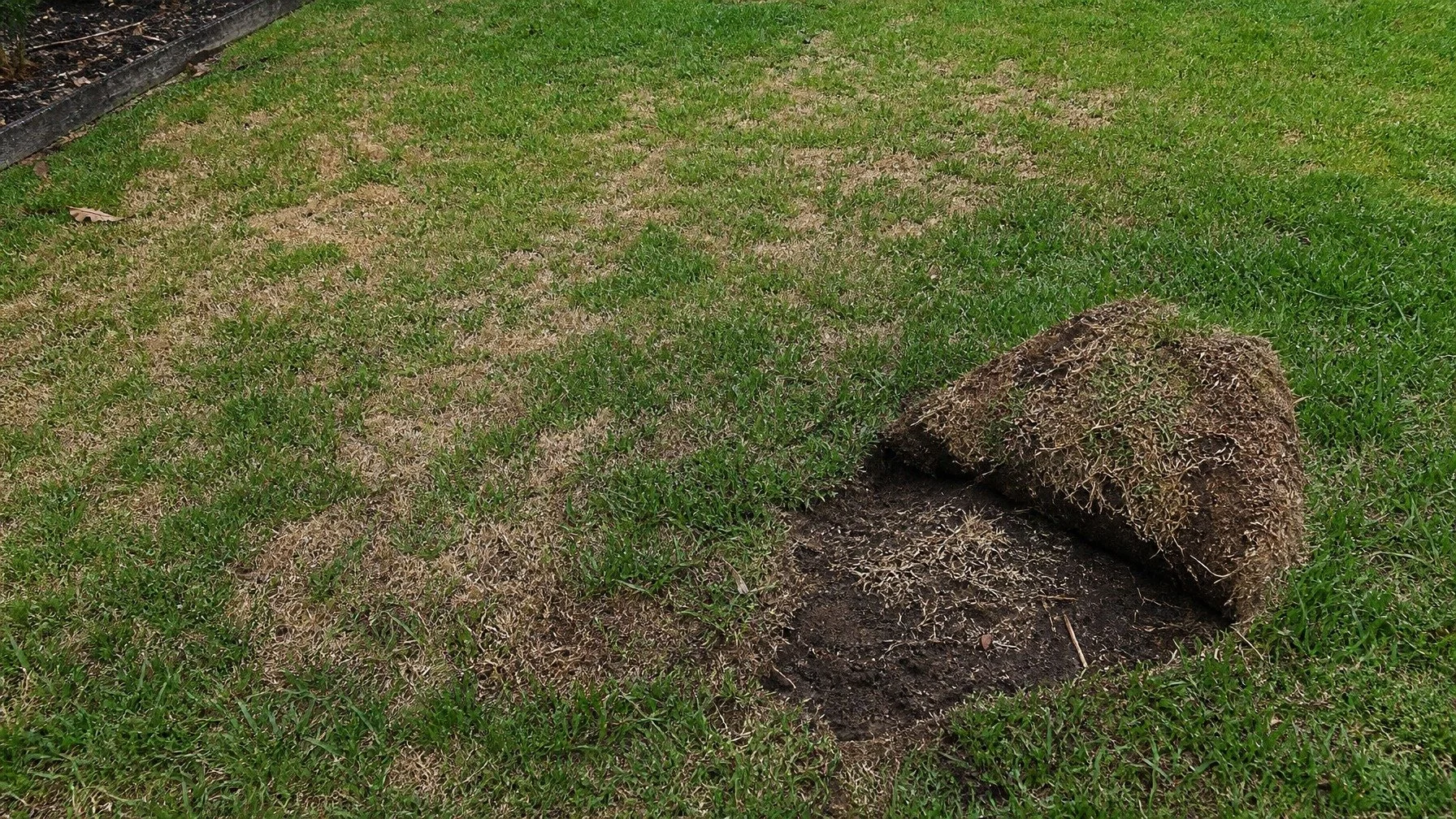
Second, it looks inconsistent. Clover sits at a different height, colour and texture to the lawn, so even a healthy lawn looks patchy and uneven once clover is through it.
Third, the flowers attract bees. That is wonderful for the garden generally, but not ideal in the part of the lawn where kids play barefoot or the dog runs around.
And fourth, a white clover lawn is usually telling you something. Widespread clover is a strong signal that the soil is low in nitrogen and the grass is underfed, which means the rest of the lawn is probably not performing as well as it could either.
How to prevent clover from spreading
Prevention is where the long-term win is, because a strong lawn simply does not give clover the gaps it needs. This is what I focus on:
Feed the lawn properly. Correct, well-timed fertilisation is the single most effective thing you can do against clover. Healthy nitrogen levels swing the advantage straight back to the grass.
Mow at the right height. Letting the grass grow a little longer shades the soil surface and starves clover seedlings of light. Scalping does the opposite.
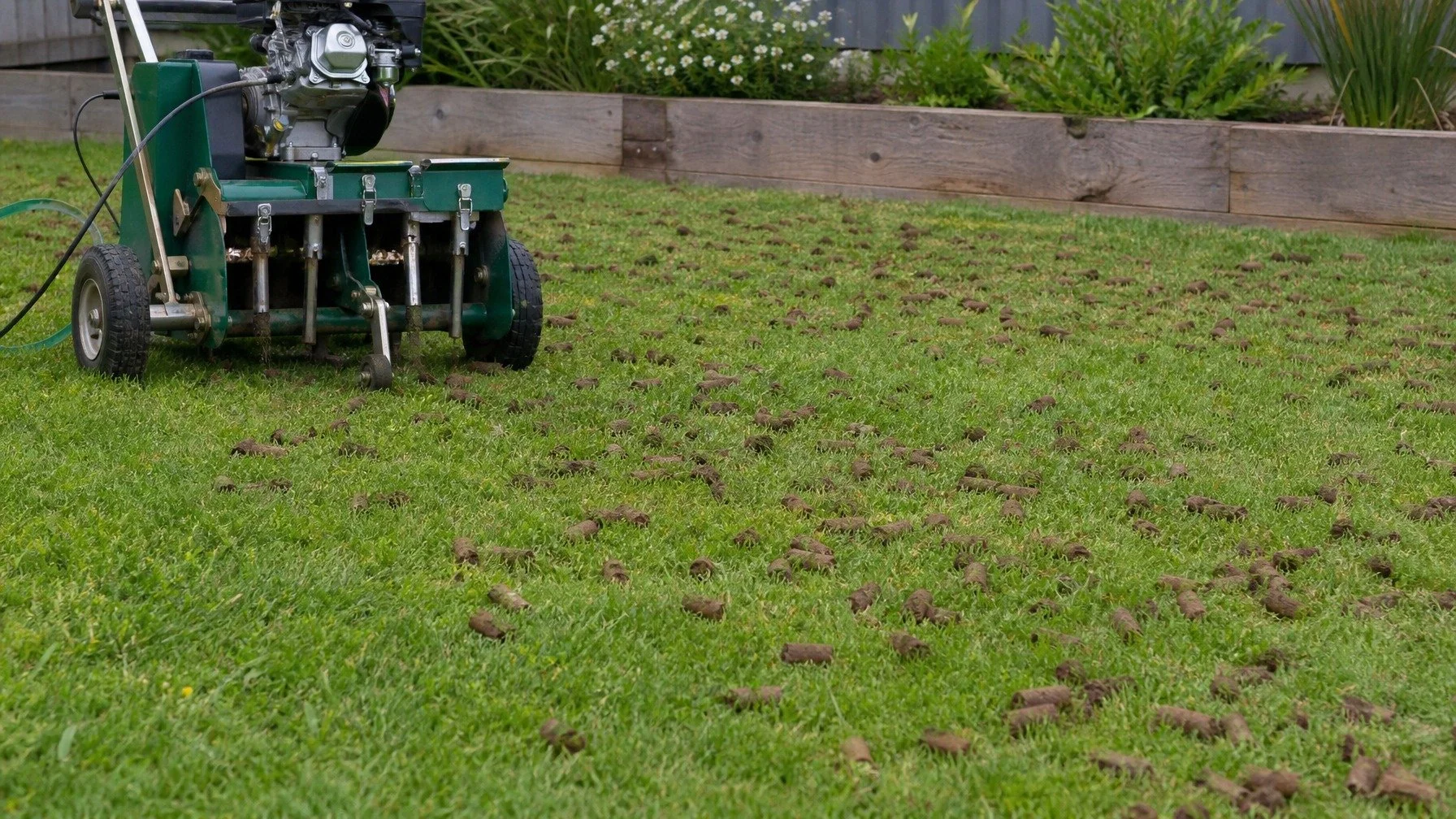
Relieve compaction. Aeration helps the grass root deeper and grow thicker, closing the door on clover.
Repair thin and bare patches. Overseeding and recovery work remove the open ground clover relies on.
Water deeply and less often. Deep, infrequent watering encourages strong grass roots rather than shallow, stressed turf.
Do these consistently and you are not just controlling clover. You are building a lawn that resists it on its own.
Effective clover control methods
Once I understand the cause, controlling the existing clover becomes much more straightforward. The method depends on how much is there and how healthy the surrounding lawn is.
For a small, early patch, improving nutrition and lawn density alone will often tip the balance and let the grass crowd the clover out over time. For more established clover, targeted control of the broadleaf weed is usually needed, always matched to your grass type and the season so the lawn is not put under unnecessary stress.
I deliberately do not recommend grabbing the strongest product off the shelf and hoping. The wrong treatment, the wrong timing, or treating clover while ignoring a starving lawn is exactly how people end up doing the job three times. Effective clover weed control is about the right method, at the right time, followed by recovery so the cleared space is filled by grass and not the next wave of weeds.
That last step, repairing and feeding after control, is the one most DIY efforts skip, and it is the one that decides whether clover stays gone.
If you want it handled properly the first time, Book a Free Assessment and I'll match the treatment to your lawn.
When to call a professional for clover control
You can manage a small clover patch yourself if you identify it correctly, feed the lawn and act early.
I would book an assessment if:
clover has spread across several areas of the lawn
it keeps coming back after you treat it
you are not sure whether it is clover or oxalis
the lawn is thin, pale or hungry as well as weedy
you want the lawn repaired and thickened, not just sprayed
you would rather have one proper plan than repeated spot treatments
Professional clover control gives you three things: the weed identified and treated correctly, the timing matched to your grass and the season, and a recovery plan so the grass takes the space back for good.
If clover is past the simple hand-weeding stage, Book a Free Assessment and I'll help you get on top of it.
Final word
Clover is not really a clover problem. It is a clue.
When I see a white clover lawn, it tells me the grass is hungry, the turf is thin, or the soil is tired, and that the lawn has handed clover the space to move in. Treat only what you can see and it comes back. Feed the lawn, thicken the turf, fix the cause and control the clover together, and the grass wins the space back and keeps it.
If you want a proper clover control plan for your Canberra lawn, Book a Free Assessment and I'll help you identify it, control it, and build a stronger lawn behind it.
Key points I get asked on a regular basis
What causes clover in lawns?
Clover is usually caused by low soil nitrogen and thin, hungry turf. Because white clover makes its own nitrogen, it thrives where the grass is underfed and struggling, so widespread clover is often a sign the whole lawn needs feeding.
How do I get rid of clover in my lawn permanently?
Control the existing clover, then remove the cause. Feed the lawn, mow a little higher, relieve compaction and thicken the turf so the grass crowds clover out. Treating clover without fixing a hungry, thin lawn is why it keeps coming back.
Is clover bad for my lawn?
Clover is not toxic to your lawn, but it competes with the grass for space, looks patchy and uneven, and its flowers attract bees into areas where people walk barefoot. For a clean, consistent lawn, it is best controlled.
How do I tell clover apart from oxalis?
White clover has rounded leaflets in groups of three and white-to-pink flowers. Creeping oxalis has smaller, heart-shaped leaflets and yellow flowers. Both creep low across the lawn, so they are easy to confuse at a glance.
Will fertiliser get rid of clover?
Feeding the lawn is one of the most effective tools against clover because it removes the low-nitrogen advantage clover relies on. On its own it helps the grass compete, but established clover usually also needs targeted control followed by lawn repair.
Why does my clover come back after I spray it?
Clover returns because spraying removes the plant but not the conditions. If the lawn stays thin and underfed, the same open space invites clover straight back. Lasting clover weed control combines treatment with feeding and repair.
How do I book clover control in Canberra?
Book a Free Assessment and I'll inspect the lawn, confirm it is clover, explain why it is there, and recommend the right control and recovery plan for your grass.