
G'day, Nikolai here from The Lawn Firm.
Buffalo is one of the most popular lawns in Canberra, and for good reason. A healthy buffalo lawn is soft underfoot, holds its colour well, and copes with shade far better than any other warm-season grass. Sir Walter, Palmetto and Sapphire are the names most people know. But buffalo also has a few quirks, and if you treat it like an ordinary lawn you can get yourself into trouble, especially with weed control and thatch.
So in this guide I want to walk you through how I actually look after buffalo lawns here in Canberra, season by season, and the handful of things that make the biggest difference.
If your buffalo lawn is thin, spongy or off-colour and you are not sure why, Book a Free Assessment and I'll take a look at it.
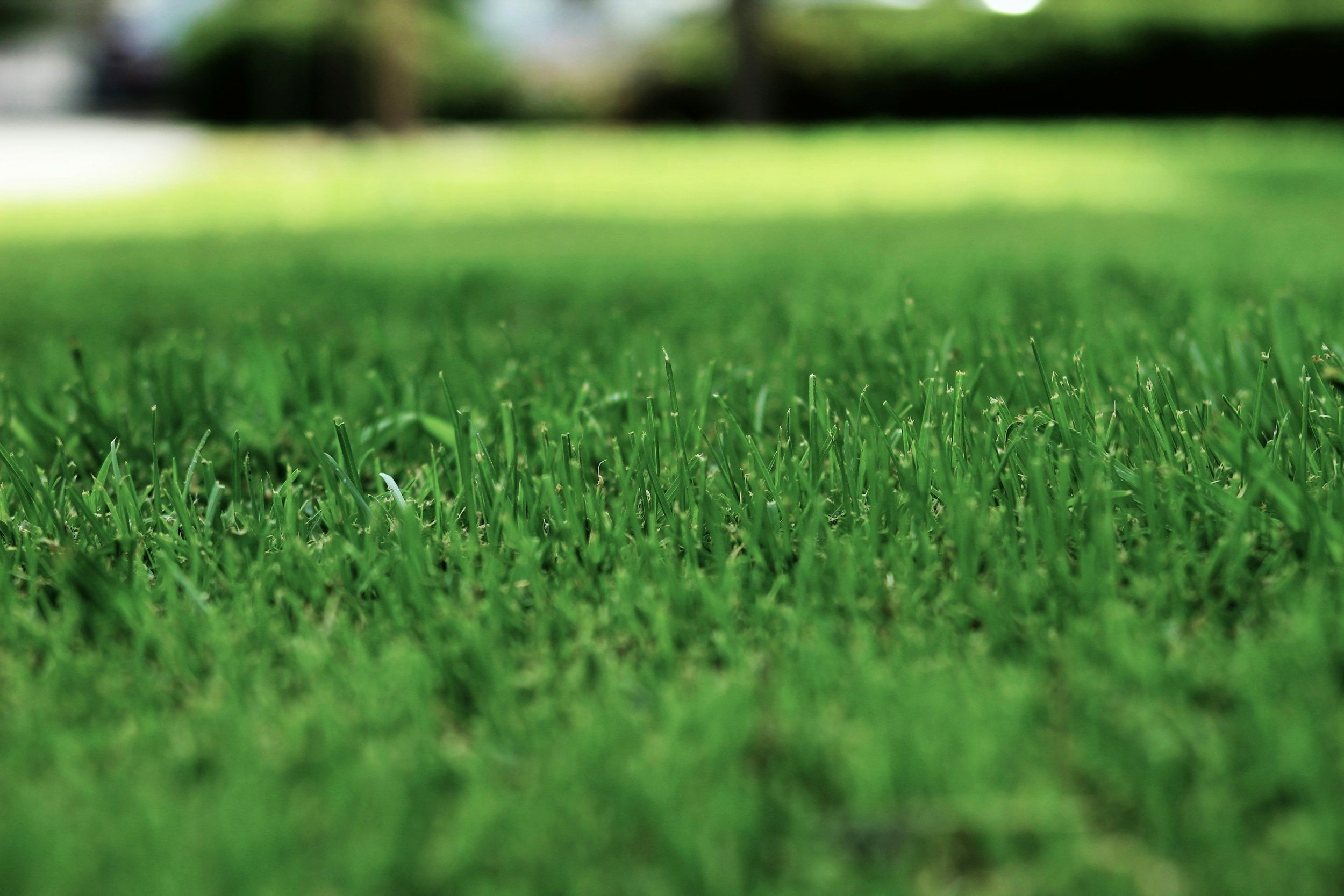
A soft, dense Sir Walter buffalo lawn in a Canberra suburban backyard
The quick answer: how to care for a buffalo lawn in Canberra
Buffalo is a warm-season grass, so it does most of its growing from spring through to autumn and slows right down over winter. The care that matters most is feeding it well through the growing season, using only buffalo-safe weed control, managing thatch before it gets spongy, mowing a little higher than you would other lawns, and watering deeply rather than often.
The single most important thing to remember is that buffalo does not tolerate the same weed killers as other grasses. The wrong product can thin it out or kill it. Everything else is fairly forgiving, but that one catches people out every year.
Get the feeding, the mowing height and the weed control right, and buffalo will reward you with a thick, soft lawn that handles Canberra's summers and part-shade far better than most.
What makes buffalo grass different
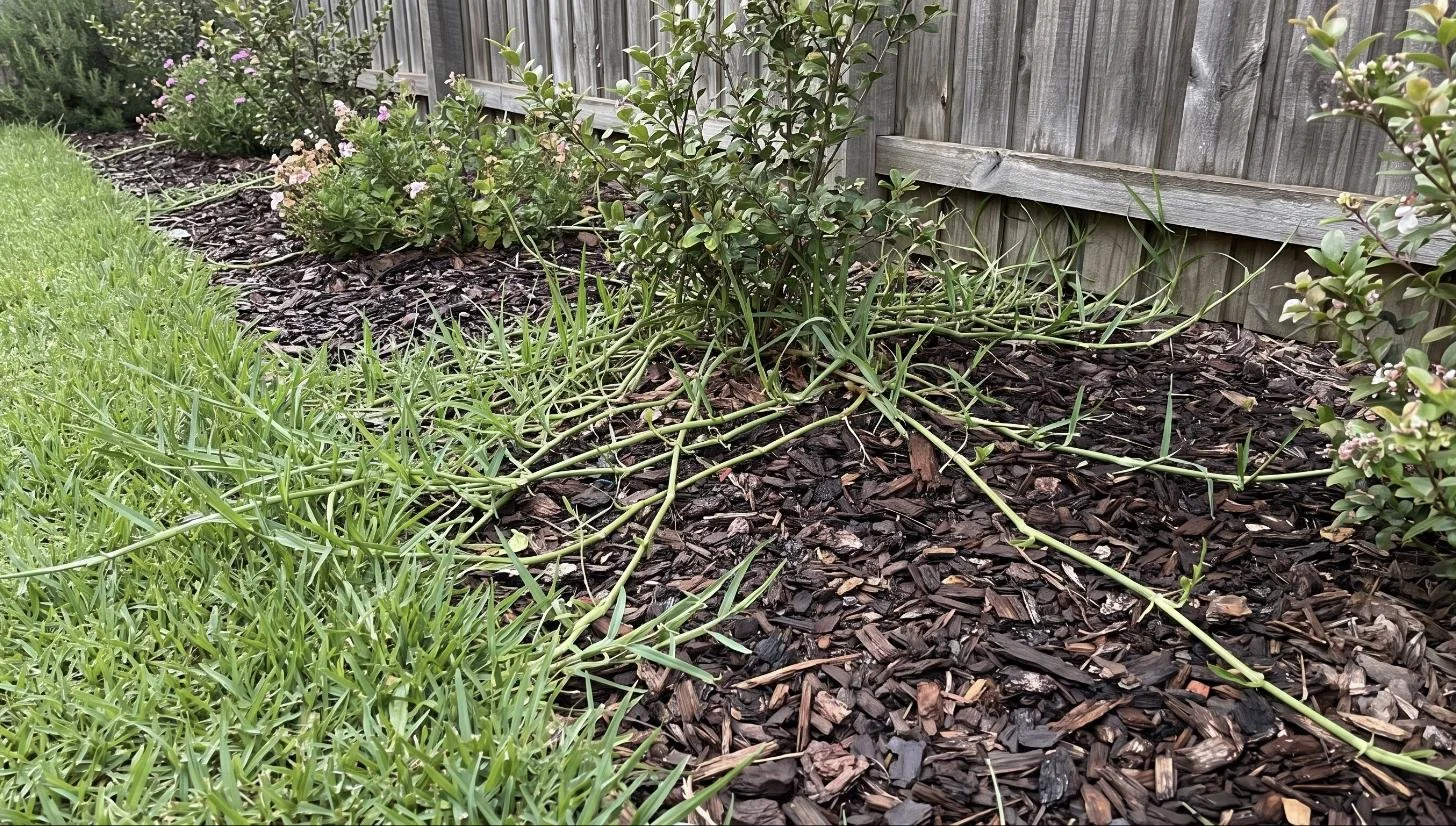
Buffalo is a broad, soft-leaf grass that spreads by above-ground runners rather than seed. The modern soft-leaf varieties like Sir Walter were bred to keep the toughness of old-style buffalo without the scratchy feel, which is why they have become the default premium lawn around Canberra.
A few things set buffalo apart from couch and kikuyu:
Shade tolerance. Buffalo is the standout warm-season grass for shade. It will hold on in spots that get only three or four hours of direct sun a day, where couch would thin out completely. It is not unlimited, and very deep shade will still beat it, but for a part-shaded Canberra yard buffalo is usually the right call.
Herbicide sensitivity. This is the big one. Buffalo reacts badly to some of the active ingredients found in common lawn weed and feed products. Use the wrong thing and you can scorch or kill the lawn. Buffalo-safe products exist, but you have to choose carefully.
Runner-based spread. Because buffalo spreads by runners and does not set viable seed the way some grasses do, it repairs bare patches by creeping across them. That is slower than a self-seeding lawn, so protecting the lawn from damage matters more.
Thatch. Those thick runners build up a spongy layer of old material called thatch faster than a fine grass would, and buffalo thatch needs a gentler hand than couch or kikuyu.
How buffalo behaves in Canberra's climate
Canberra is a tough test for any warm-season grass because our winters are genuinely cold, with hard frosts, and buffalo is a warm-season lawn at heart.
Through spring and summer, a fed and watered buffalo lawn is in its element. It grows strongly, fills in, and shrugs off the heat once its roots are established. This is the window where all your good work pays off.
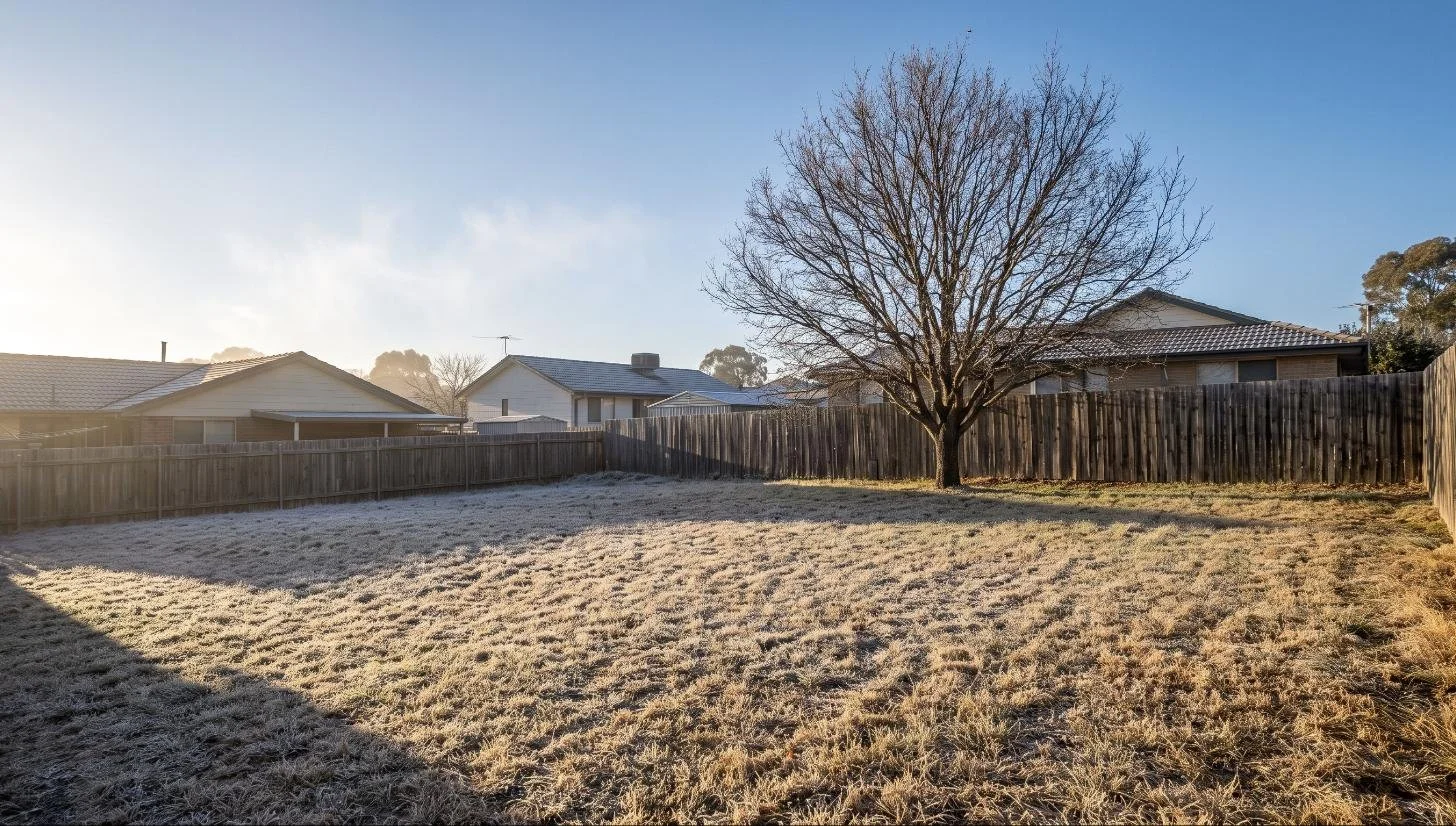
Over winter, buffalo slows down and often takes on a purple or bronze tinge, and in a heavy frost pocket it can look quite dull. This worries people, but it is normal. Buffalo holds its colour better through a Canberra winter than couch or kikuyu do, and it greens back up as the soil warms in spring. What you should not do is panic-feed it with a high-nitrogen fertiliser in the middle of winter to force colour, because the grass is not actively growing and the feed is largely wasted.
Feeding a buffalo lawn
Buffalo has a healthy appetite through the growing season. I feed it from mid-spring once the soil has warmed, then again through summer and into early autumn, easing off as the weather cools.
The aim is steady, balanced feeding that builds colour and density without pushing soft, sappy growth that invites problems. A slow-release fertiliser suits buffalo well because it feeds evenly rather than in a rush. If you want the full picture on how I approach feeding across the year, I have written it all up in my complete guide to lawn fertilisation in Canberra.
If your buffalo is pale even though you are feeding it, the problem is often underneath the grass rather than in the leaf. Compacted clay or a soil pH that is out of range will lock up nutrients no matter how much you feed. That is where soil testing earns its keep, because it tells us what the lawn is actually short of instead of guessing.
Weed control in buffalo: the part people get wrong
I will say it again because it matters. Buffalo does not tolerate the same weed killers as other lawns.
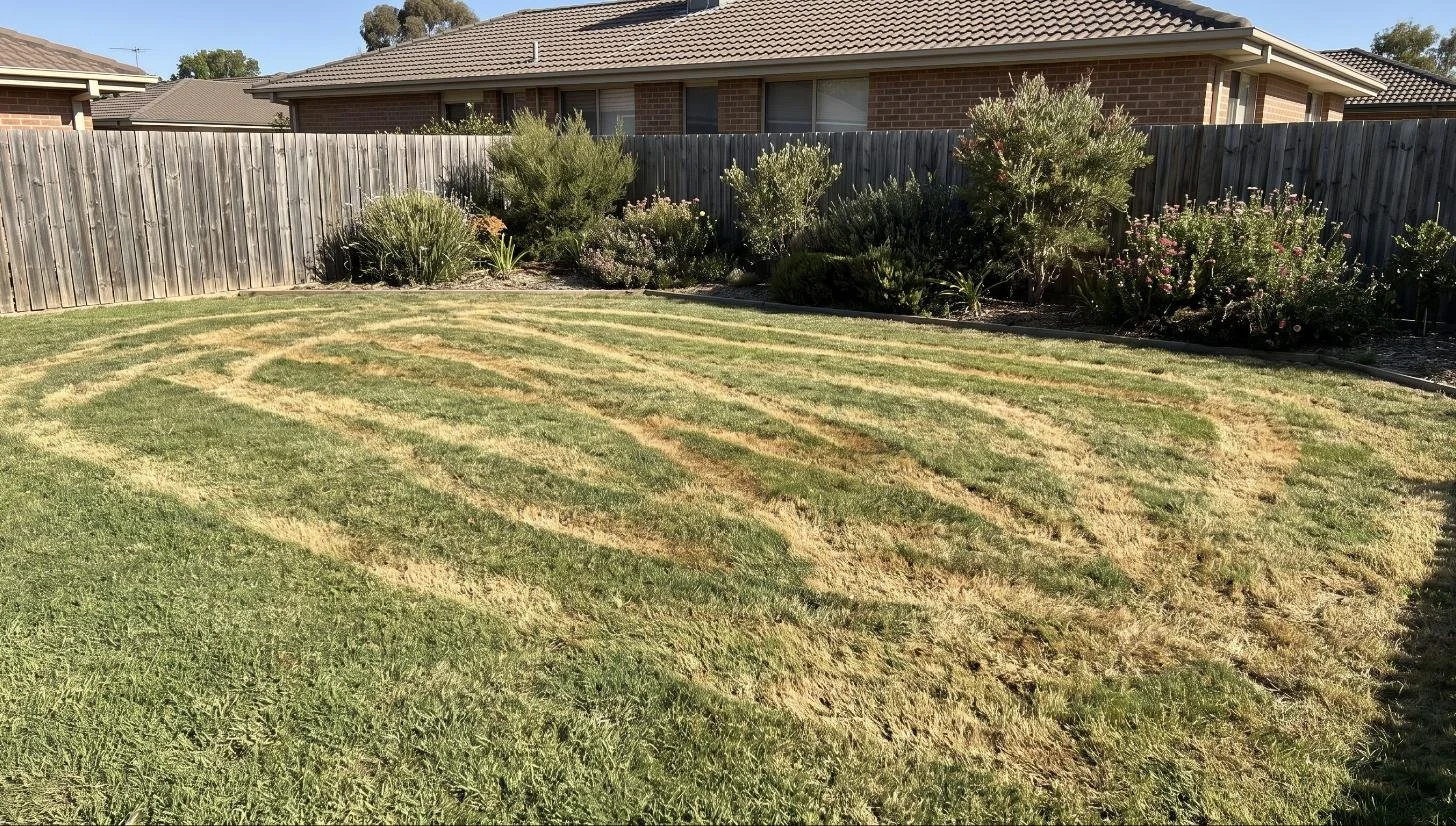
Plenty of off-the-shelf weed and feed products and broadleaf sprays contain actives that are perfectly fine on couch or kikuyu but will thin, scorch or kill buffalo. Every year I get called out to buffalo lawns that were healthy until someone applied the wrong product, and repairing that damage takes far longer than preventing it.
The safe approach is to only ever use products clearly labelled as safe for buffalo, and to treat weeds early while they are small. For a stubborn or widespread weed problem in a buffalo lawn, this is genuinely a case where it is worth getting it diagnosed and treated properly rather than experimenting, because the cost of a mistake is the whole lawn. I would rather look at it on an assessment and match the treatment to your lawn than have you guess.
If you want to understand the weeds themselves first, my guide to common lawn weeds in Canberra covers how to identify the usual suspects, and my pre-emergent guide explains how to stop summer weeds before they germinate, which is a much easier path in a buffalo lawn than chasing them once they are up.
Thatch and top dressing
Because buffalo spreads by thick runners, it builds thatch, that spongy layer of living and dead stems that sits between the green leaf and the soil. A little thatch is fine and even helpful. Too much makes the lawn feel like a mattress, holds moisture at the surface, and lets pests and disease settle in.
The mistake people make is treating buffalo thatch like couch thatch and scalping it hard with a scarifier. Buffalo grows from those runners, so if you cut too deep and remove them you can set the lawn back badly. Buffalo thatch needs a gentler approach, taken at the right time of year when the grass is growing strongly enough to recover.
A light top dressing can also help by working a thin layer of soil into the base of the lawn and encouraging the runners to knit down. I have covered both jobs in detail in my guides to managing lawn thatch and top dressing your lawn, and the same principles apply to buffalo with a lighter touch.
Mowing height matters more with buffalo
I will keep this short because mowing is a job most people do themselves, but with buffalo the height really matters.
Buffalo likes to be mown higher than couch or kikuyu. Keeping a good length of leaf lets it shade its own runners, hold moisture, and stay thick, and it is a big part of how buffalo out-competes weeds. Scalp it too low and you expose the runners, weaken the lawn and open the door to weeds and thinning. As a rule of thumb, buffalo is a lawn where you want to leave more leaf on, not less, and never remove more than about a third of the height in a single cut.
Watering and the soil underneath
Like most Canberra lawns, buffalo does best with deep, infrequent watering that encourages roots to chase moisture down, rather than frequent light sprinkles that keep roots shallow.
The catch in Canberra is our heavy clay. If the soil is compacted, water runs off or pools instead of soaking in, and the lawn stays thirsty no matter how long you run the sprinkler. If your buffalo lawn feels hard underfoot or water sits on the surface, aeration and coring is often the missing step. And if water beads up and refuses to soak in at all, you may have water-repellent soil, which I cover in my guide to fixing hydrophobic soil and dry patch.
My year-round buffalo programme
Here is roughly how I stage the work on a buffalo lawn through a Canberra year:
Early spring. Tidy up winter damage, take a soil test if the lawn has been struggling, and do any gentle dethatching only once the grass is actively growing.
Mid to late spring. First proper feed as the soil warms, apply a pre-emergent before summer weeds germinate, and aerate if the soil is compacted.
Summer. Keep up steady feeding, water deeply, mow high and regularly, and treat any weeds with buffalo-safe products only.
Autumn. A final feed to build strength before winter, and a last check on thatch and weeds.
Winter. Ease right off. Expect some colour change, avoid heavy feeding, and stay off a frosty lawn to prevent damage.
If keeping to that rhythm sounds like more than you want to take on, that is exactly what a year-round programme is for. You can see how I structure it in my lawn maintenance programme for Canberra.
Final word
Buffalo is a brilliant lawn for Canberra when it is looked after properly. It is soft, it copes with shade, and it holds up through our summers. The two things that separate a great buffalo lawn from a struggling one are almost always weed control and thatch, and both come down to using the right approach for buffalo specifically rather than treating it like any other grass.
If your buffalo lawn is not where you want it, or you simply want it managed properly through the year, Book a Free Assessment and I'll check the lawn, the soil and the way it is being cared for, and build a plan around it.
Key points I get asked on a regular basis
Is Sir Walter buffalo a good choice for a Canberra lawn?
Yes, it is one of the best all-round choices for Canberra. Sir Walter and the other soft-leaf buffalos are hard-wearing, soft underfoot, and handle part shade better than couch or kikuyu, which suits a lot of Canberra yards. They do need buffalo-safe weed control and a bit of thatch management, but they hold colour well through our winters.
Why is my buffalo lawn going purple or brown in winter?
That is normal winter behaviour for buffalo. As a warm-season grass it slows down in the cold and can take on a purple or bronze tinge, especially in frost pockets. It is not dead or diseased. It greens back up as the soil warms in spring, so the best thing you can do is avoid heavy winter feeding and keep off it when it is frosty.
What weed killer is safe on buffalo grass?
Only products specifically labelled as safe for buffalo. Many common weed and feed products and broadleaf sprays contain actives that are fine on other lawns but will thin or kill buffalo. Because the cost of getting it wrong is the whole lawn, a widespread weed problem in buffalo is one I would rather diagnose and treat for you than have you risk the wrong product.
How often should I feed a buffalo lawn?
Through the growing season, from mid-spring to early autumn, buffalo benefits from regular feeding, easing off as it cools. A slow-release fertiliser suits it because it feeds evenly. If the lawn stays pale despite feeding, the issue is usually compacted soil or pH locking up nutrients, which a soil test will confirm.
Why is my buffalo lawn spongy or building up thatch?
Buffalo spreads by thick runners, so it naturally builds a thatch layer faster than fine grasses. A spongy, mattress-like feel means thatch has built up too far. It needs gentle dethatching at the right time of year, never a hard scalp, because cutting the runners too deep sets buffalo back. A light top dressing afterwards helps the lawn knit back down.
How do I book buffalo lawn care in Canberra?
Book a Free Assessment and I'll check your buffalo lawn, confirm the variety and its condition, and recommend the right feeding, weed control and thatch plan to get it thick and healthy.

Looking for the perfect gift for the lawn enthusiast in your life? The Lawn Firm Gift Cards are the ideal solution. Redeemable for any of our professional lawn care services, these gift cards make it easy to give the gift of a greener, healthier lawn. From fertilisation to weed control and pest management, there’s something for every lawn need.
Why Choose a Lawn Firm Gift Card?
Versatility: Can be used for any service offered by The Lawn Firm.
Thoughtful Giving: A practical gift for anyone who values a beautiful outdoor space.
Simple to Use: Purchase online and enjoy easy redemption.
Order your gift card today and let your loved ones experience the professional touch of The Lawn Firm. It’s the perfect way to show you care while helping someone achieve the lawn of their dreams.
This gift card never expires.