
G'day, Nikolai here from The Lawn Firm. Canberra summers can turn quickly. One afternoon is hot and still, the next brings a storm with hail, heavy rain and wind. When the sky clears, many owners walk out to a shredded, soggy or debris-covered lawn and wonder if it will ever come back. In most cases, it will, provided you take a few careful steps in the right order.
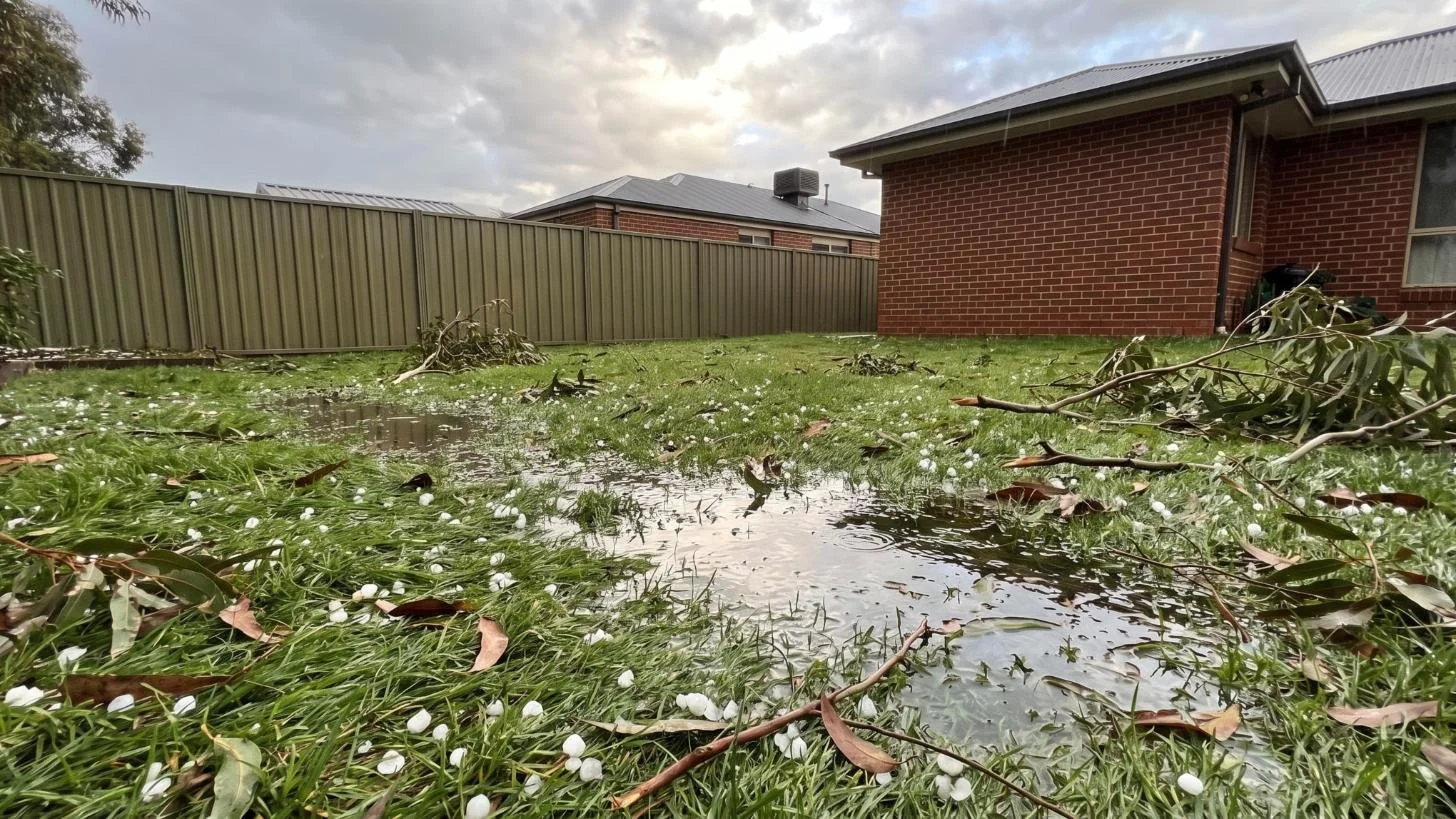
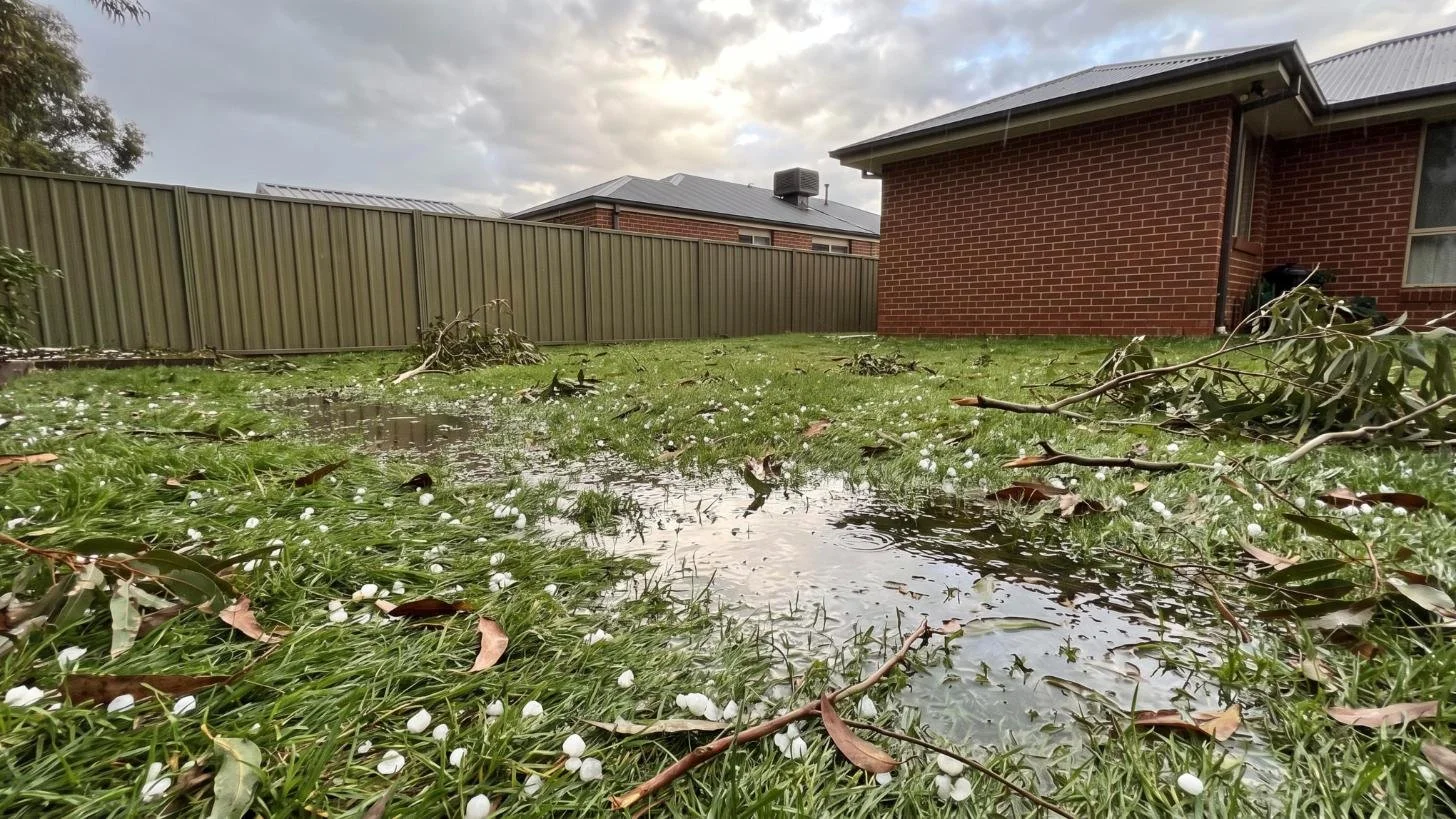
A Canberra backyard lawn just after a summer hailstorm, with melting hailstones, fallen gum leaves, broken branches and puddles lying on the grass.
The quick answer: what should you do after a storm?
Clear debris and branches, stay off the lawn while it is waterlogged, let water drain before you do anything else, and then assess the damage a week or two later. Hail-bruised grass often looks shredded and brown but regrows from the crowns and roots. Waterlogged soil needs time to drain and breathe, silt or mud should be raked off gently, and fertiliser, herbicide and heavy work are best held until the lawn shows new growth. If damage is severe or patches are not recovering, a professional assessment saves guesswork.
What to do in the first 48 hours
The first couple of days after a storm are about safety and not making things worse.
Check for hazards first. Look for fallen or hanging branches, damaged fences and anything electrical. Leave large or dangerous limbs to a qualified arborist or tree service.
Take photos of the damage before you clean up. They are useful if you need to make an insurance claim and they give you a baseline to judge recovery against.
Clear light debris such as leaves, twigs and loose hailstone slush by hand or with a soft rake.
Keep cars, trailers, trampolines and heavy foot traffic off the soft lawn.
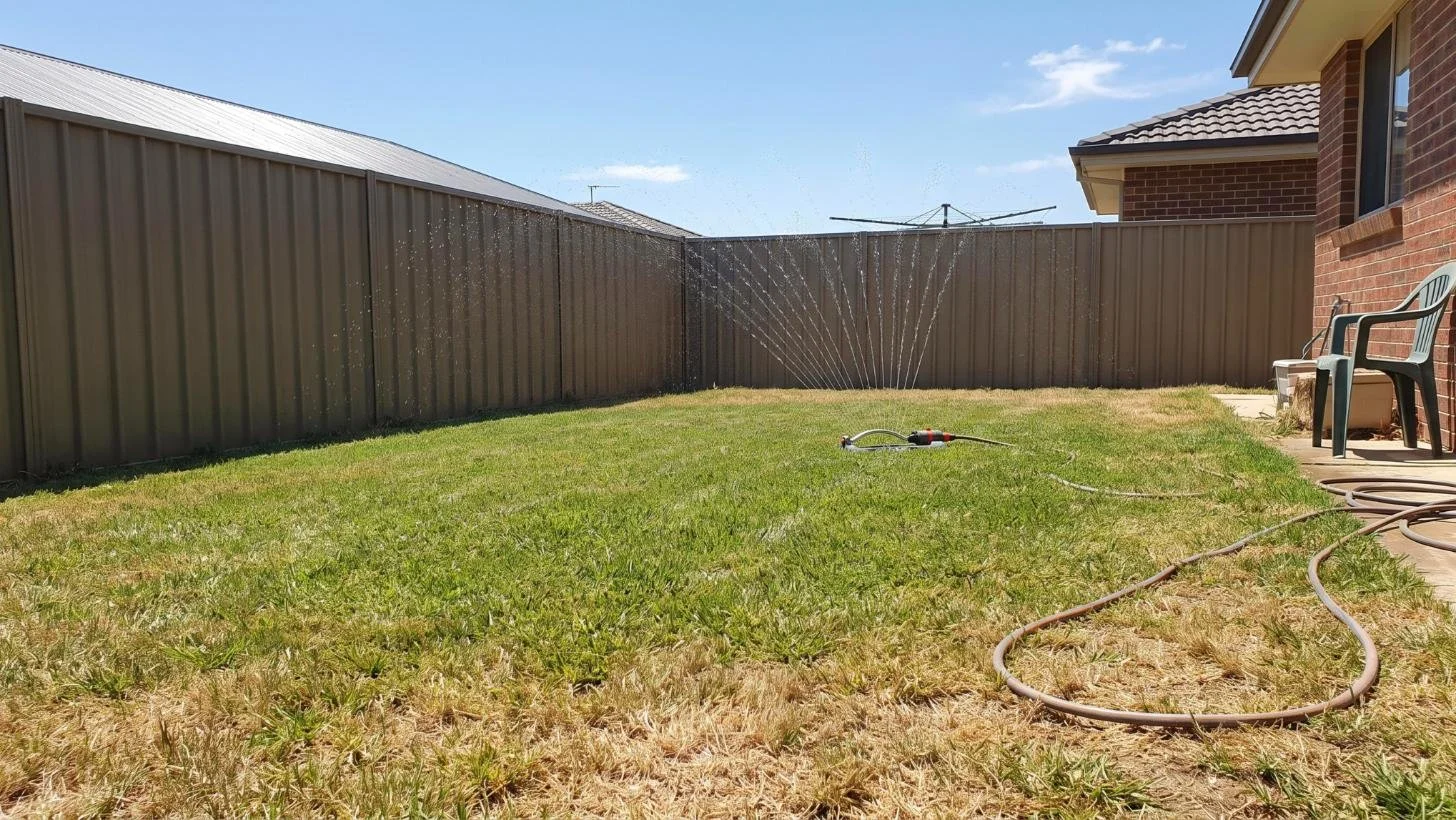
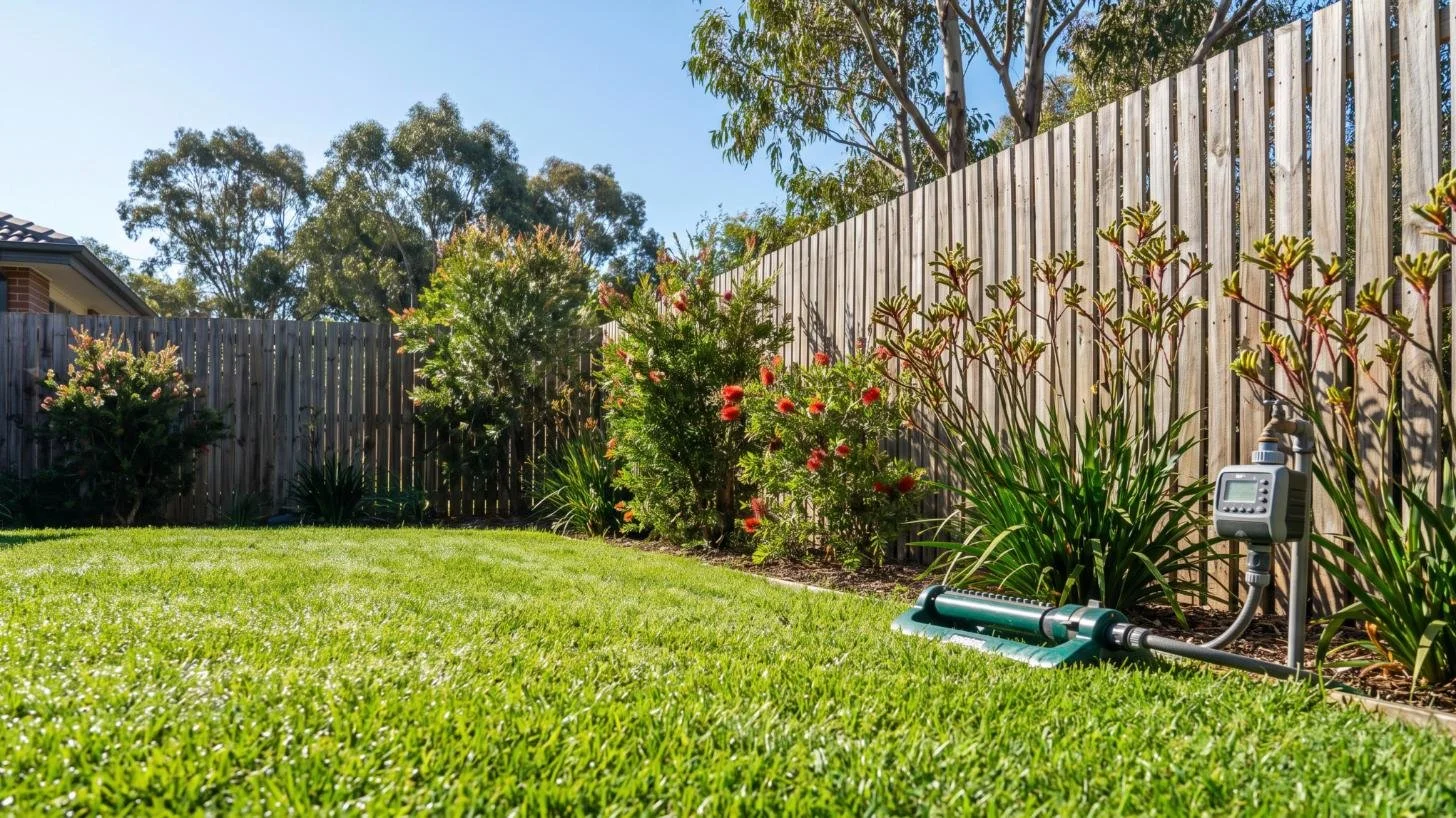
Turn off your irrigation system until the soil has dried out. It is easy to forget that an automatic timer will keep watering an already saturated lawn.
Do not mow, spray, fertilise or aerate yet. Give the lawn and soil time to settle.
Wind damage and fallen branches
Strong winds can drop branches, flatten grass and leave deep ruts where limbs hit the ground. A large branch that lies on the lawn for more than a few days will yellow the grass underneath, so remove it as soon as it is safe to do so. Ruts and dents can be gently lifted with a garden fork and then levelled once the soil has dried a little. If storms have exposed tree roots or left a tree leaning, get it looked at by an arborist rather than guessing, because the tree and the lawn around it are both affected by what happens next.
How different grasses cope
Warm season grasses such as kikuyu and couch spread by runners, so they often fill storm damage quickly once the weather warms. Buffalo is tough but repairs a little more slowly, and zoysia slower again. Cool season lawns such as tall fescue do not spread sideways in the same way, so larger bare patches may need overseeding. If you are not sure which grass you have, my grass type identification guide will help, because the right repair method depends on it.
Hail damage: ugly but often survivable
Hail shreds leaf blades and can bruise the plant, which leaves a lawn looking patchy, bleached or flattened. Because most lawn grasses grow from crowns and runners at or near the soil surface, many recover once conditions are good.
Give the lawn time. Judge recovery over two to four weeks of warm weather, not two days.
Remove large debris, but do not rake hard on damaged turf.
Keep watering within local rules if it turns dry afterwards.
Hold off on fertiliser until you see new green growth.
My guide on dead or dormant lawns shows how to tell whether a brown lawn is actually dead, which is the question most people ask after hail.
Waterlogged soil and flooding
Standing water drives air out of the soil, and roots need oxygen. A lawn that sits waterlogged for days can yellow, thin or develop disease. Canberra's clay soils make this worse because they drain slowly. My guide to clay soil and drainage explains why some yards stay wet long after the rain has stopped.
What helps:
Stay off the lawn. Walking on saturated turf compacts the soil.
Let the surface drain naturally. If water pools in the same low spots every time, note where, because that is a drainage issue to solve later.
Once the soil firms up, consider aeration and coring to relieve compaction and bring air back to the roots.
Watch for yellowing. It is often a sign of leached or oxygen-starved roots, and my guide on why a lawn turns yellow walks through the common causes.
Silt, mud and debris
Floodwater and stormwater can leave a layer of silt, mud or leaf litter on top of the grass. A thin layer will wash in, but a thick layer can smother it.
Remove thick mud and debris with a flat rake or by hand, as soon as it is workable.
Do not leave heavy piles of leaves sitting on the grass.
Be cautious if floodwater came from a drain or contaminated source. Wear gloves, and keep children and pets off until the area is clean and dry.
Disease after wet weather
Warm, wet, humid weather is the perfect setting for fungal problems. After a storm, watch for spots, rings, slimy patches or mushrooms. Not every spot is disease, and the right fix depends on the cause, so I prefer to look before recommending anything. My lawn disease guide and my article on mushrooms and toadstools give a good starting point. Fungicide choices should be based on a proper diagnosis, so book an assessment rather than guessing.
Pests and weeds after storms
Storm damage thins the turf, and thin turf is an invitation for weeds. Bare patches left behind are where summer weeds tend to get a foothold, so my common lawn weeds guide is worth a look. Pests such as grubs can also take advantage of weakened turf, as I cover in my lawn pest control guide. If you are thinking about herbicide, please check your grass type first. Buffalo grass in particular can be sensitive to some products, so diagnosis comes before spraying.
Repairing bare or torn patches
Once the lawn has had a few weeks to respond, you will see which areas are not coming back.
Rake out dead material and loosen the surface.
Level any low spots lightly with a thin application of sand or soil. My guide to levelling a bumpy lawn and top dressing show how.
Repair with overseeding or fresh turf, depending on your grass type and the season.
Water consistently until the new growth is established.
Feeding the recovery
Once you see new growth, a balanced feed can support the recovery, but too much too soon can stress a weakened lawn. A soil test takes the guesswork out, and my fertilisation guide covers timing. Keep in mind that results vary with the grass type, the severity of the damage and the weather that follows.
Preparing for the next storm
You cannot stop a hailstorm, but a healthy lawn bounces back faster. A dense, well-fed, well-watered lawn with good drainage and no heavy thatch copes better with stress. Our lawn maintenance programme is designed to keep your lawn in that condition year round. If your lawn took a beating this season and you would like a clear, honest plan for getting it back, I am happy to take a look.
Key points I get asked on a regular basis
Will my lawn recover from hail damage?
In most cases yes. Grass grows from crowns and runners near the soil, so even a shredded lawn often regrows. Give it two to four weeks of good conditions before judging, and avoid heavy treatments in the meantime.
How long does a waterlogged lawn take to recover?
It depends on how long the water sat and your soil type. Many lawns recover within a few weeks once the soil drains and firms up, but heavy clay or long flooding can take longer.
Should I fertilise straight after a storm?
I would wait until you see new green growth. Feeding a stressed, damaged lawn too early can do more harm than good.
Is it safe to let kids and pets on a lawn after flooding?
Be cautious. If floodwater came from drains or contaminated sources, keep them off until the area is cleaned and dry. When in doubt, wait.
Do I need to re-turf after storm damage?
Often not. Patches that do not recover can be repaired by overseeding or patching with turf. An assessment will confirm what is needed.
How do I book a post-storm lawn assessment in Canberra?
Simple. Book a Free Assessment and I will check the damage, drainage and turf health and tell you what needs doing and what can safely be left to recover.
Looking for the perfect gift for the lawn enthusiast in your life? The Lawn Firm Gift Cards are the ideal solution. Redeemable for any of our professional lawn care services, these gift cards make it easy to give the gift of a greener, healthier lawn. From fertilisation to weed control and pest management, there’s something for every lawn need.
Why Choose a Lawn Firm Gift Card?
Versatility: Can be used for any service offered by The Lawn Firm.
Thoughtful Giving: A practical gift for anyone who values a beautiful outdoor space.
Simple to Use: Purchase online and enjoy easy redemption.
Order your gift card today and let your loved ones experience the professional touch of The Lawn Firm. It’s the perfect way to show you care while helping someone achieve the lawn of their dreams.
This gift card never expires.