
G'day, Nikolai here from The Lawn Firm. Every year, as the weather warms and the school holidays come around, I get the same question: what should I do with the lawn while we are away? Two or three weeks in a Canberra summer can undo a lot of work if the lawn is left unprepared, but a little planning before you leave makes a big difference.
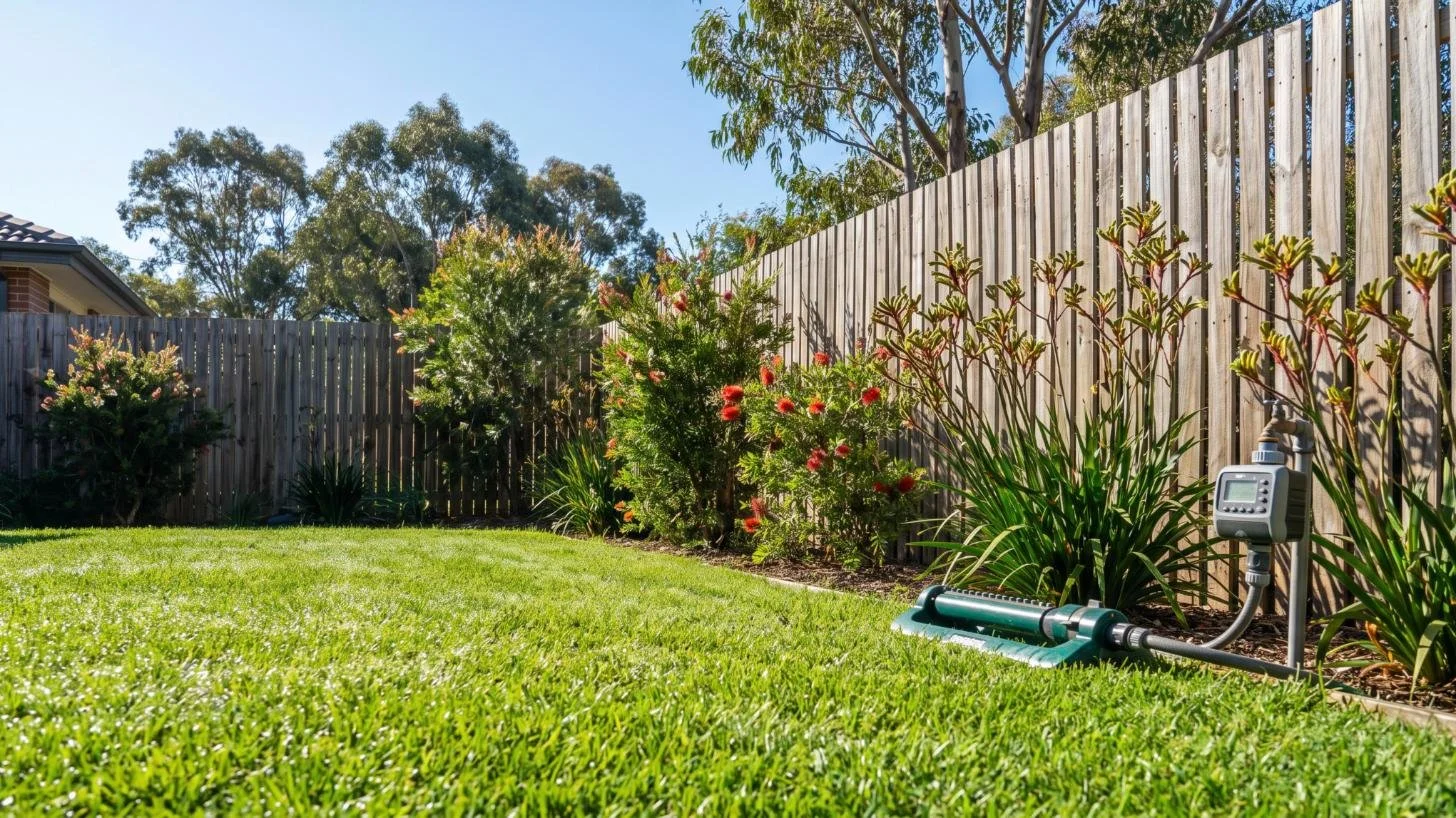
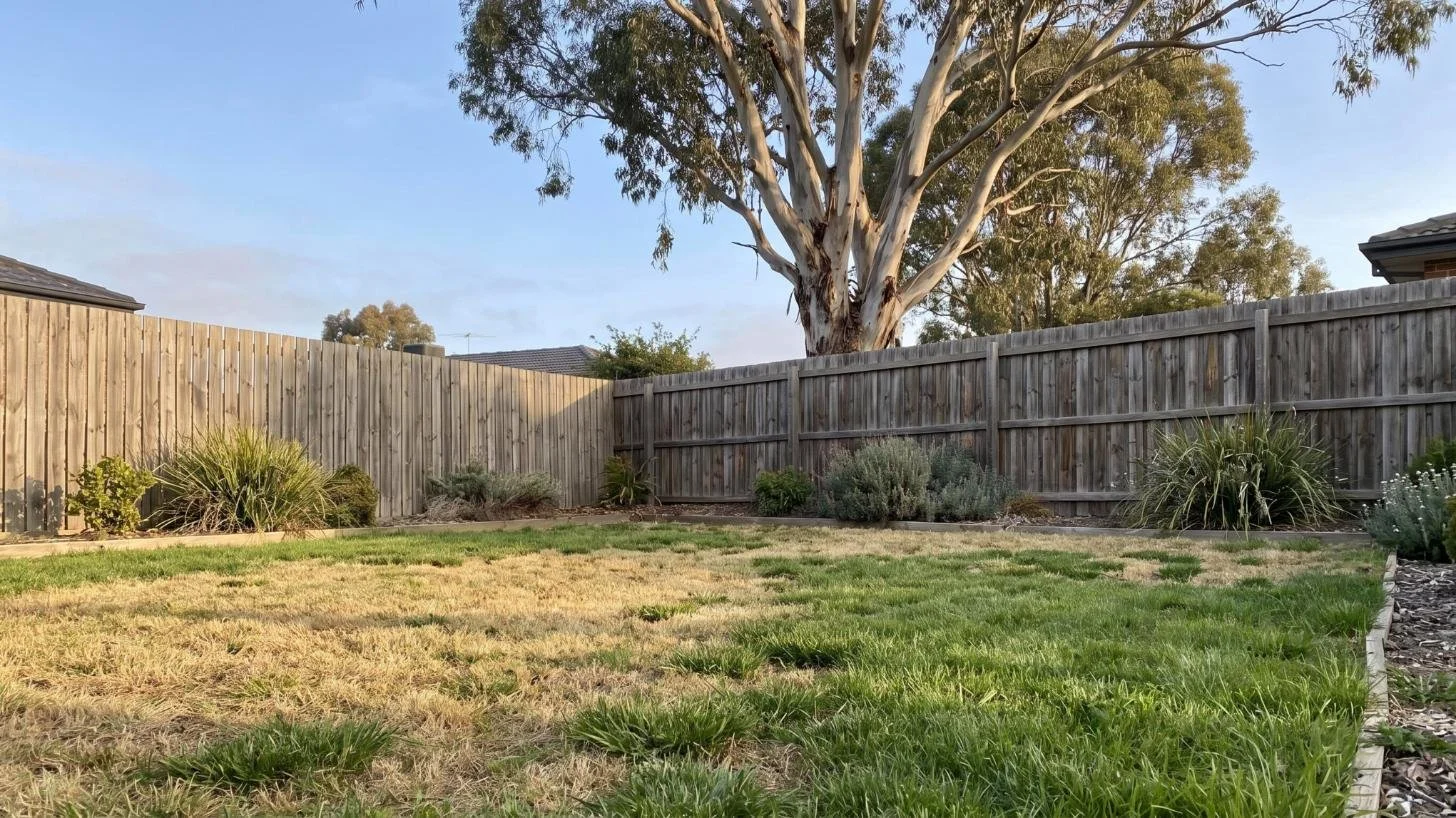
A healthy, even Canberra lawn prepared for a few weeks of summer absence, with a sprinkler on a tap timer.
The quick answer:
Before you go, give the lawn a sensible feed if it is due, water deeply the day before you leave, set the grass to the right height for its type, deal with any weeds or pests you already know about and set up your watering so that it runs on a timer within the local water rules. Skip heavy fertiliser or strong treatments in the last few days, because they can burn a lawn that nobody is watching. For absences of one to three weeks a well prepared lawn will generally cope. Longer trips in peak summer need more planning, such as a reliable timer, a helper who can check on it and a plan for the first week back.
Start two to three weeks before you leave
The best preparation happens before the suitcases come out.
Check the lawn for problems. If you already have weeds, patches or signs of pests, sort them out now. A small issue left alone for three weeks in summer can become a big one. My lawn pest control guide and common lawn weeds guide will help you spot them.
Time any feeding sensibly. If your lawn is due for a feed, do it well before you leave so it has time to take up the nutrients and you can see how it responds. Feeding the day before you fly is a gamble, especially in heat. My complete guide to lawn fertilisation covers timing, and my post on fertiliser burn explains why.
Check your irrigation. Run the system, look for blocked or broken sprinkler heads, check coverage and confirm the timer works. Dry spots that appear in a hot week often trace back to a sprinkler that was not doing its job.
Think about soil that repels water. If you have patches that already struggle to take water, they will get worse while you are gone. My guide to hydrophobic soil explains the signs and the fixes.
Watering is the main event
In a Canberra summer, water is the thing that decides whether a lawn is green when you come home. A few principles help.
Water deeply rather than often. A long soak encourages roots to go down, which makes the lawn more resilient to heat. Frequent light watering encourages shallow roots.
Water early in the morning. This reduces evaporation and gives the grass time to dry, which lowers the risk of disease.
Use a timer. A timer on the tap or a controller on an irrigation system means the lawn is watered whether you are there or not. Set the schedule to suit your grass and soil type, and make sure it follows any local watering rules. My guide to watering under Canberra's water restrictions is a good starting point.
Water deeply the day before you leave, so the soil starts the trip full.
Different grasses have different needs. Warm season varieties such as kikuyu and couch cope with heat and drought better than most, while tall fescue and other cool season grasses need more consistent moisture in summer. Buffalo falls somewhere in between. If you are not sure what you have, my guide on how to identify your grass type will help.
Set the grass height before you go
This is homeowner guidance only: grass that is a little taller shades the soil, keeps it cooler and holds moisture better, which helps the lawn through a hot spell. Cutting it very short just before you leave exposes the soil and stresses the plant. A moderate height for your grass type is usually the best starting point, and you can read more in my lawn height and care guide. Remember that The Lawn Firm does not offer a mowing service, so if you need the lawn cut while you are away, ask a neighbour, family member or a local mowing contractor.
Keep an eye on weeds and pests
Warm weather means fast growth, including weeds. A few weeks of absence can let weeds go to seed, which makes next season's problem bigger. If you know you have weeds, consider having them dealt with before you leave. If you are not sure what is in your lawn, a quick assessment can identify it, and chemical choices should be made after the weeds are identified rather than from a general spray, particularly on sensitive grasses such as buffalo.
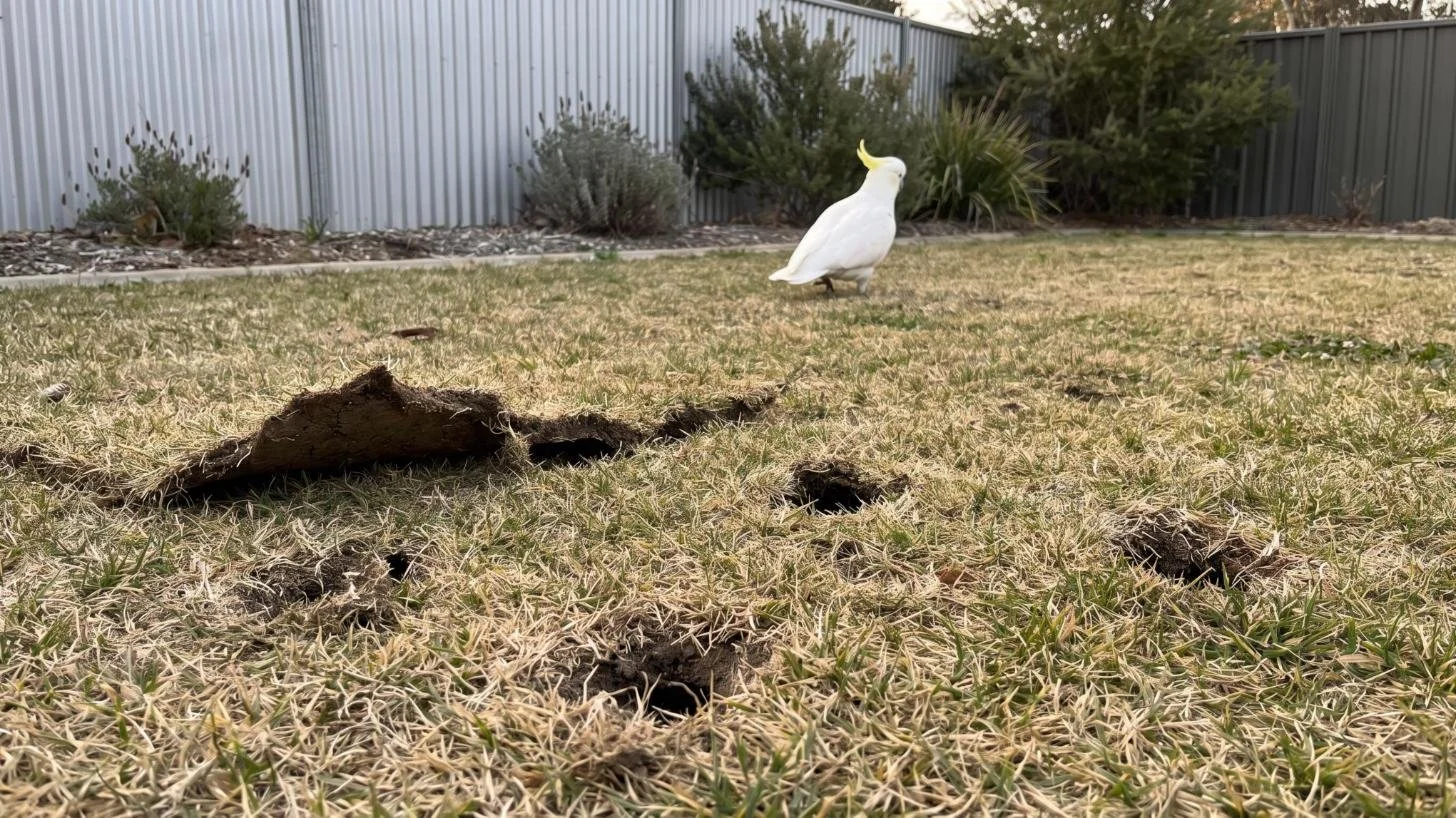
Pests such as webworm and armyworm can also be active in summer. A lawn that looks fine the day you leave can be chewed back in a week or two. If you have seen caterpillars, moths at dusk or chewed blades, read my guide on sod webworm before you go.
Ask someone to look in
If you are away for more than a week or two, a helper makes a big difference. They do not need to do much.
Check the timer is still running and has not been knocked or reset.
Look for sprinkler problems, such as a head that is spraying the fence instead of the lawn.
Move any hoses or toys that are sitting on the grass.
Water by hand if there is a heatwave and the timer cannot cope.
Let you know if anything looks wrong.
Things not to do before you leave
Do not apply a strong fertiliser or herbicide in the last few days. If something goes wrong, nobody will be there to water it in or notice.
Do not scalp the lawn.
Do not skip watering the day before because it looks fine. Summer lawns dry out fast.
Do not leave hoses, paddling pools or play equipment sitting on the grass. Grass underneath yellows quickly in heat.
Do not assume that a sprinkler that worked last summer still works.
When you get back
Take a walk over the lawn on the first day.
Check the colour and the soil. Is it moist? Are there dry or yellow patches? My guide to why a lawn turns yellow can help you work out why.
Look for weeds that have grown or gone to seed.
Check for pests, such as chewed blades or birds digging.
Give the lawn a good soak if it has dried out.
Get back to your routine. If it needs a feed, give it one once the lawn is growing again, not while it is stressed.
If the lawn is in worse shape than you expected, the cause matters more than the colour. A dry lawn might just need a drink, while a patchy one might need a proper diagnosis.
Final word
A bit of planning means you can enjoy your holiday without worrying about your lawn. Prepare early, water deeply, use a timer, keep treatments simple before you leave and get someone to check in. If you would like a second opinion on how your lawn will cope, or you want a plan for the weeks around your trip, I am happy to help. Book a Free Assessment
Key points I get asked on a regular basis
How long can a lawn go without water in a Canberra summer?
It depends on the grass, the soil and the weather. A deeply watered, healthy warm season lawn can often cope with a week or two of dry weather before it shows stress, while a cool season lawn such as tall fescue will show it sooner. In a heatwave all lawns suffer faster. A timer and a deep soak before you leave are the safest approach.
Should I fertilise before going on holiday?
Only if the lawn is due and you can do it well ahead of your departure. Feeding days before you leave, in hot weather and without anyone to water it in, risks burn. If you are unsure, skip it and feed when you return.
What is the best way to water while I am away?
A timer, either on a tap or on an irrigation controller, set to water deeply in the early morning and within local watering rules. Test it before you leave, and have someone check that it is still working.
Can I leave sprinklers running all day?
No. Constant watering can waterlog the soil, waste water and breach local rules. Deep, less frequent watering is better for the lawn than a sprinkler that runs all the time.
What if my lawn looks terrible when I get back?
Do not panic and do not rush to throw fertiliser at it. First work out whether it is dry, damaged by pests, diseased or just stressed. A good soak and a few weeks often bring a dry lawn back, but patchy or thinning areas need a proper diagnosis.
How do I book a pre-holiday lawn check in Canberra?
Use the booking link and I will look at the lawn, the soil and your watering setup and tell you what to do before you go. Book a Free Assessment

Looking for the perfect gift for the lawn enthusiast in your life? The Lawn Firm Gift Cards are the ideal solution. Redeemable for any of our professional lawn care services, these gift cards make it easy to give the gift of a greener, healthier lawn. From fertilisation to weed control and pest management, there’s something for every lawn need.
Why Choose a Lawn Firm Gift Card?
Versatility: Can be used for any service offered by The Lawn Firm.
Thoughtful Giving: A practical gift for anyone who values a beautiful outdoor space.
Simple to Use: Purchase online and enjoy easy redemption.
Order your gift card today and let your loved ones experience the professional touch of The Lawn Firm. It’s the perfect way to show you care while helping someone achieve the lawn of their dreams.
This gift card never expires.