
Sod Webworm in Canberra Lawns: How I Identify, Prevent, and Control It
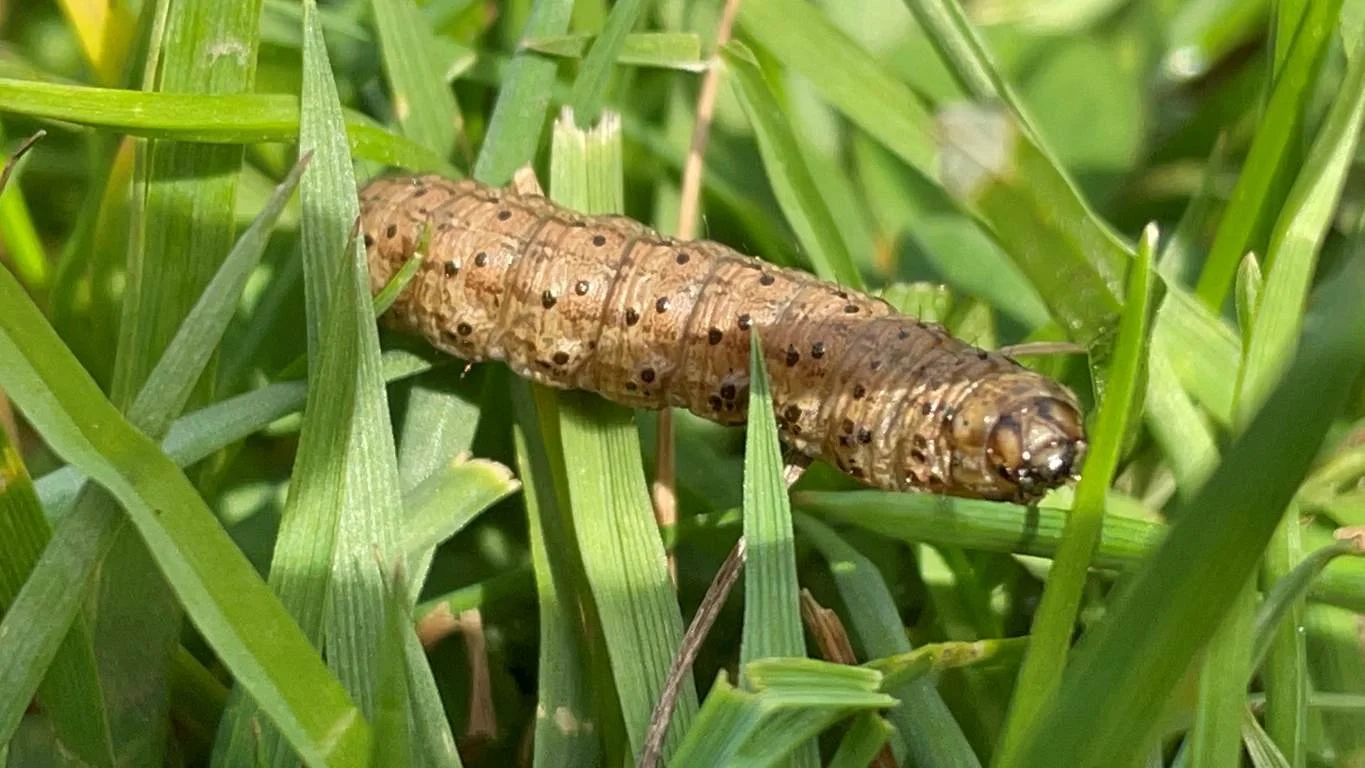
G’day, Nikolai here from The Lawn Firm. If your lawn thins out in warm weather and small bare patches join up after a few nights, you may have sod webworm (lawn caterpillars). I see it across Canberra each spring and summer. Here’s my simple plan that works.
Quick signs I check first
Chewed leaf tips and ragged edges on blades
Patchy thinning that spreads after warm, still nights
Night activity: small moths at dusk, caterpillars feeding after dark
Soap flush test: a little dish soap in water poured on a suspect patch brings larvae to the surface
Bird activity: magpies pecking the same areas day after day
Why sod webworm hits Canberra lawns
Warm evenings after rain or irrigation speed feeding
Thatch build-up gives shelter and keeps the leaf damp
Compacted clay weakens roots and slows recovery
Short mowing leaves crowns exposed and invites stress
Prevention that works (my ACT playbook)
Keep mowing height steady. Avoid scalping; follow the one-third rule.
Seasonal fertilising. Feed for even growth so turf closes gaps.
Core aeration in spring or autumn to open clay and strengthen roots.
Wetting agent in warm months where soil repels water.
Water early morning, deeply. Avoid night watering that leaves leaves wet for hours.
Manage thatch. Dethatch if the layer is over 1–1.5 cm.
How I confirm activity
Dusk torch check: look for moth flights and fresh chew.
Soap flush: pour over a 0.5–1 m² area; watch for larvae in a few minutes.
Sample lift: part the canopy; look for green/brown larvae and small silk debris.
Control once activity is present
Act fast. I treat while the larvae are small and feeding.
Even coverage. I treat the entire affected area, not only the visible patches.
Follow-up check. I retest with a soap flush to confirm activity has stopped.
Repairing the lawn after sod webworm
Rake out loose leaf to open the canopy.
Light top dress (5–8 mm) with fine sandy loam to even minor lows.
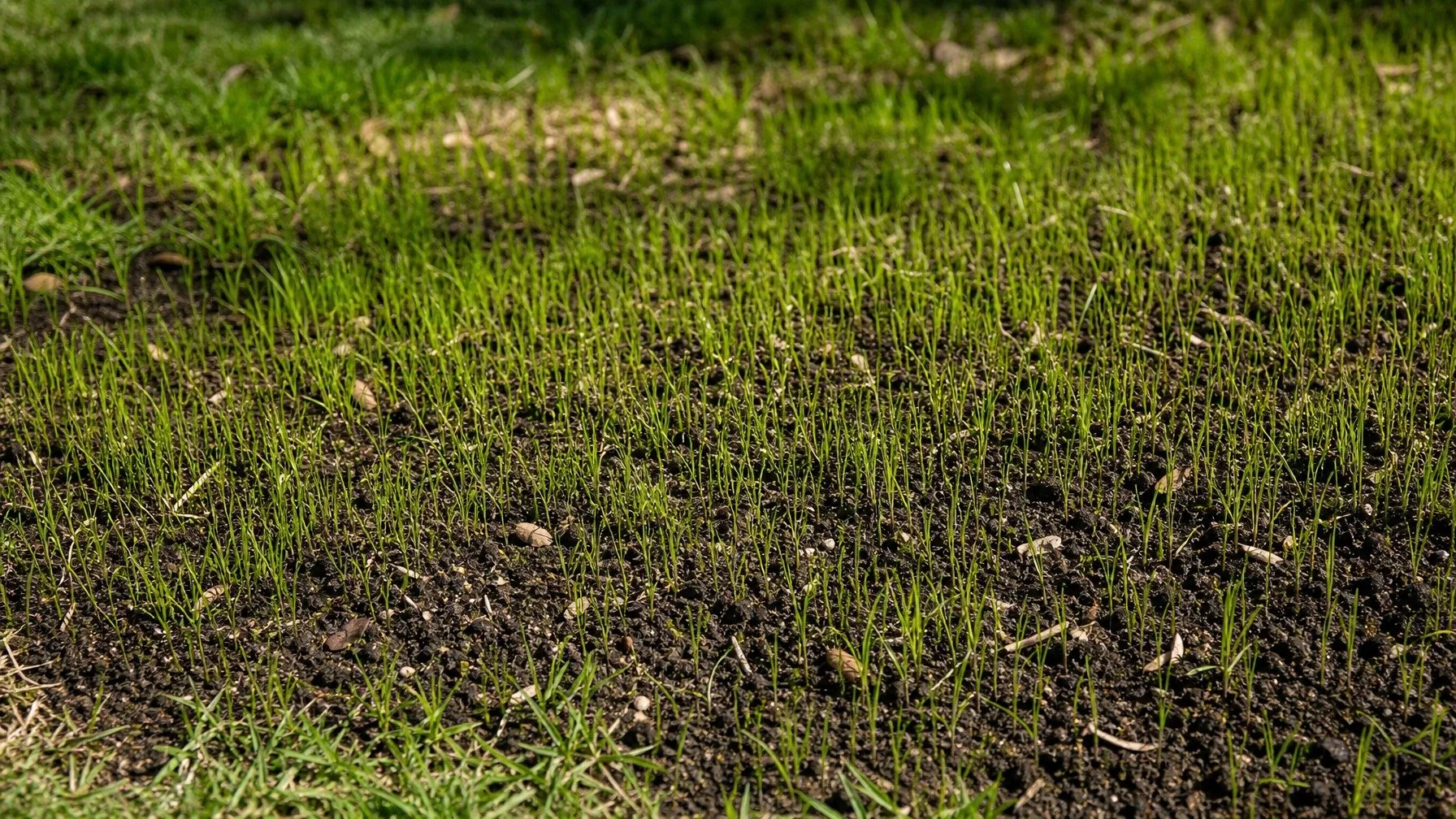
Overseed thin areas so turf fills in fast.
Gentle feed to support roots without a surge.
Water to establishment, then move to deep, less-frequent soaks.
Canberra timing guide
Spring: Aerate compacted areas; set mowing height; start monitoring with dusk checks.
Summer: Increase checks after warm nights and rain; use wetting agents on dry-patch zones; repair thin areas early.
Autumn: Treat late waves quickly and thicken the lawn before winter.
Common mistakes I fix
Treating once and stopping. Life cycles stagger; you need a follow-up check.
Night watering. This keeps leaves wet and boosts feeding and disease.
Ignoring thatch. Shelter remains and outbreaks repeat.
Scalping. Stress rises and recovery slows.
DIY or call The Lawn Firm?
You can run the soap flush, raise mowing height, and improve watering. If patches spread fast or keep returning, timing and sequence matter. I confirm activity, apply the right treatment at the right time, and stage recovery so your lawn comes back thicker and stays that way.



Looking for the perfect gift for the lawn enthusiast in your life? The Lawn Firm Gift Cards are the ideal solution. Redeemable for any of our professional lawn care services, these gift cards make it easy to give the gift of a greener, healthier lawn. From fertilisation to weed control and pest management, there’s something for every lawn need.
Why Choose a Lawn Firm Gift Card?
Versatility: Can be used for any service offered by The Lawn Firm.
Thoughtful Giving: A practical gift for anyone who values a beautiful outdoor space.
Simple to Use: Purchase online and enjoy easy redemption.
Order your gift card today and let your loved ones experience the professional touch of The Lawn Firm. It’s the perfect way to show you care while helping someone achieve the lawn of their dreams.
This gift card never expires.