
Bindii in Canberra Lawns: How I Identify, Prevent, and Control It
G’day, Nikolai here from The Lawn Firm. If you’ve stepped on sharp little spines in summer, that’s bindii (jo-jo). It spreads fast in thin turf and turns play areas painful. I deal with bindii across Canberra every season. Here’s my clear plan that works.
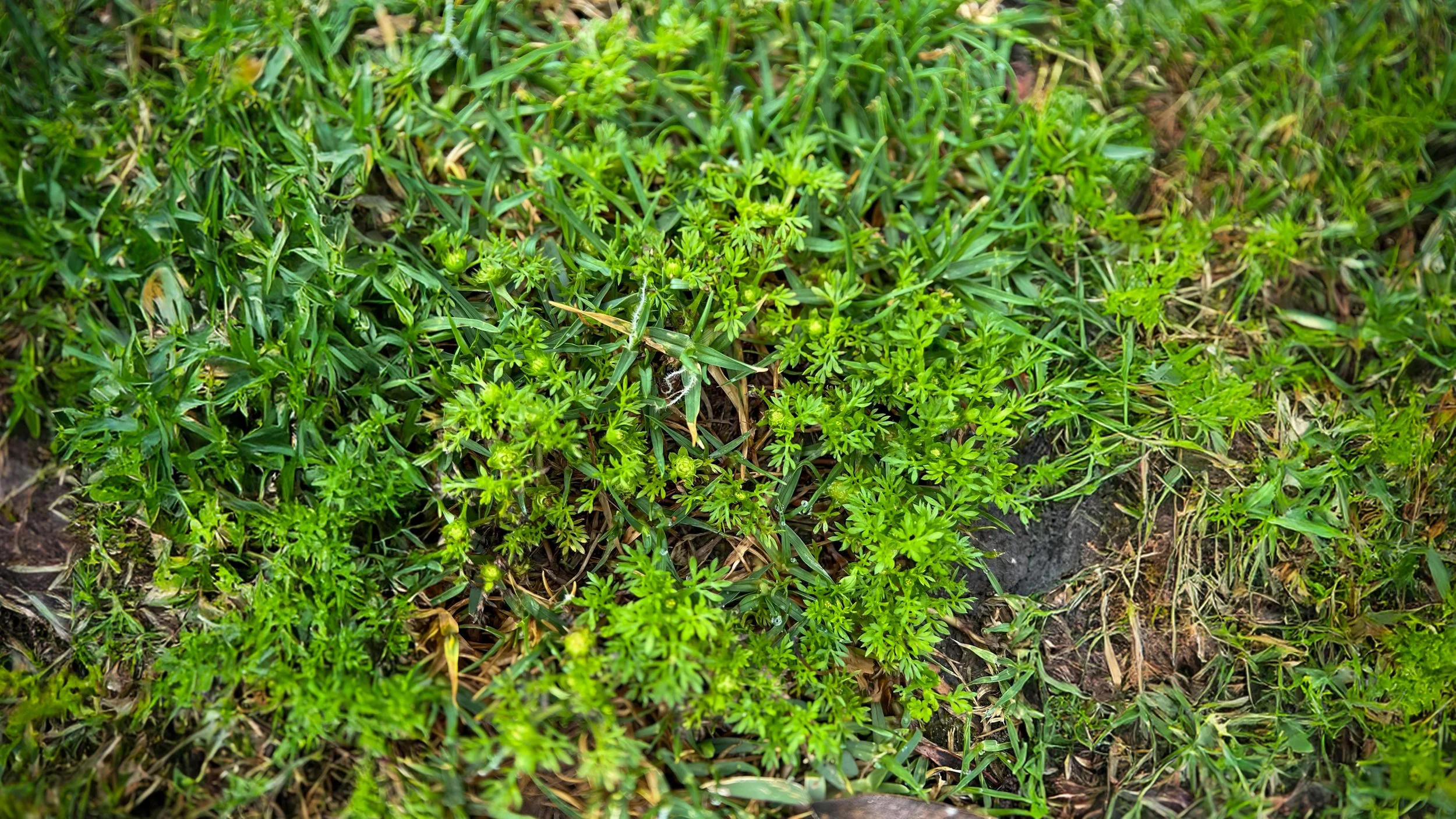
What bindii looks like
Leaves: Fine, fern-like rosettes that sit flat in the canopy.
Spines: Seed heads harden into sharp burrs in late spring–summer.
Habit: Low, spreading patches that dodge the mower.
Why bindii thrives in Canberra
Thin turf after summer leaves bare space.
Low mowing or scalping lets light hit the soil and triggers more growth.
Compacted clay weakens roots and slows recovery.
Dry, hydrophobic soil creates gaps bindii exploits.
When bindii is most active
Autumn: Germination begins after rain as soils cool.
Winter: Plants sit low and expand.
Spring → early summer: Plants set burrs. This is when lawns become prickly.
I aim to act before burrs form.
Fast checks I use on site
Leaf shape: Fine, feathery rosette; easy to spot against broader turf leaves.
Crown test: Plants pull from shallow roots in thin turf.
Burr watch: Early heads appear near the crown; once hard, the area becomes prickly.
Prevention beats cure
Raise mowing height to shade the soil and protect the crown.
Seasonal fertilising to keep the lawn dense and competitive.
Core aeration in spring or autumn to relieve Canberra clay and drive deeper roots.
Wetting agent in warm months so water reaches the root zone.
Overseed + light top dress thin areas so grass closes gaps before autumn germination.
Control once bindii appears
Hand removal (small patches): Water first or wait for rain. Use a narrow weeding tool and lift the whole plant at the crown. Bag and bin.
Targeted control (wider spread): Use a selective approach suited to broadleaf weeds on actively growing plants. Apply before burrs harden for quicker results.
Edge care: Clean mower decks and shoes after working in infested spots so you don’t carry seed into clean areas.
Aftercare that stops the comeback
Rake out dead material so grass can fill space.
Top dress 5–8 mm with fine sandy loam to level small scars.
Overseed to rebuild density and block light to the soil.
Light feed to support steady recovery.
Deep watering, less often to train roots down and hold coverage.
Common mistakes we fix
Treating after burrs set: You still remove the plant, but spines remain for weeks.
Scalping to “cut it out”: This weakens turf and triggers more germination.
Random spraying with the wrong type or timing.
Skipping aeration so compaction keeps the lawn weak.
My ACT timing guide
Late winter / early spring: Raise mowing height, feed, and remove early plants.
Spring: Aerate, overseed, top dress; use targeted control before burrs harden.
Summer: Maintain mowing height; water deeply in the morning; spot-remove survivors.
Autumn: Strengthen roots and close gaps to shut down new germination.
DIY or call The Lawn Firm?
You can hand-weed small patches and adjust mowing and watering. For lawn-wide outbreaks, timing and technique decide the result. I assess the site, apply the right control, and line up aeration, overseeding, top dressing, wetting agents, and seasonal feeding so bindii loses its foothold—and your grass keeps the space.


Looking for the perfect gift for the lawn enthusiast in your life? The Lawn Firm Gift Cards are the ideal solution. Redeemable for any of our professional lawn care services, these gift cards make it easy to give the gift of a greener, healthier lawn. From fertilisation to weed control and pest management, there’s something for every lawn need.
Why Choose a Lawn Firm Gift Card?
Versatility: Can be used for any service offered by The Lawn Firm.
Thoughtful Giving: A practical gift for anyone who values a beautiful outdoor space.
Simple to Use: Purchase online and enjoy easy redemption.
Order your gift card today and let your loved ones experience the professional touch of The Lawn Firm. It’s the perfect way to show you care while helping someone achieve the lawn of their dreams.
This gift card never expires.