
Lawn Pest Control in Canberra: My Clear, Canberra-Specific Playbook
G’day, Nikolai here from The Lawn Firm. If your lawn has gone from green to patchy in weeks, pests may be the cause. In Canberra I most often see African black beetle/curl grubs, armyworm, and sod webworm. This guide sets out how I diagnose problems fast, prevent outbreaks, and repair damage, using a simple sequence that works in ACT conditions.
Canberra quick view: what I see most
Curl grubs (scarab larvae): Roots are eaten; turf lifts easily; birds dig. The African black beetle is common locally, and Argentinian scarab has spread into Canberra.
Armyworm: Rapid defoliation after warm, humid nights; moths at dusk can signal activity.
Sod webworm: Caterpillars clip leaves; damage worsens in warm months and after rain.
How I diagnose lawn pests (fast, no guesswork)
Patch-pull test (grubs): Tug the edge of a brown patch. If it lifts with little resistance, roots are gone - classic grub damage.
Detergent/soap flush (caterpillars): Mix a little dish soap in water and pour over a suspect area; caterpillars often surface within minutes.
Night check: Use a torch at dusk for moth flights (armyworm signal) and surface activity.
Bird behaviour: Magpies and currawongs tearing turf usually means larvae are present.
Feel underfoot: A spongy area across multiple patches suggests root loss.
Prevention beats cure (ACT-ready program)
Seasonal fertilising for density: Strong, even growth outcompetes pests and speeds recovery.
Correct mowing height: Avoid scalping; follow the one-third rule.
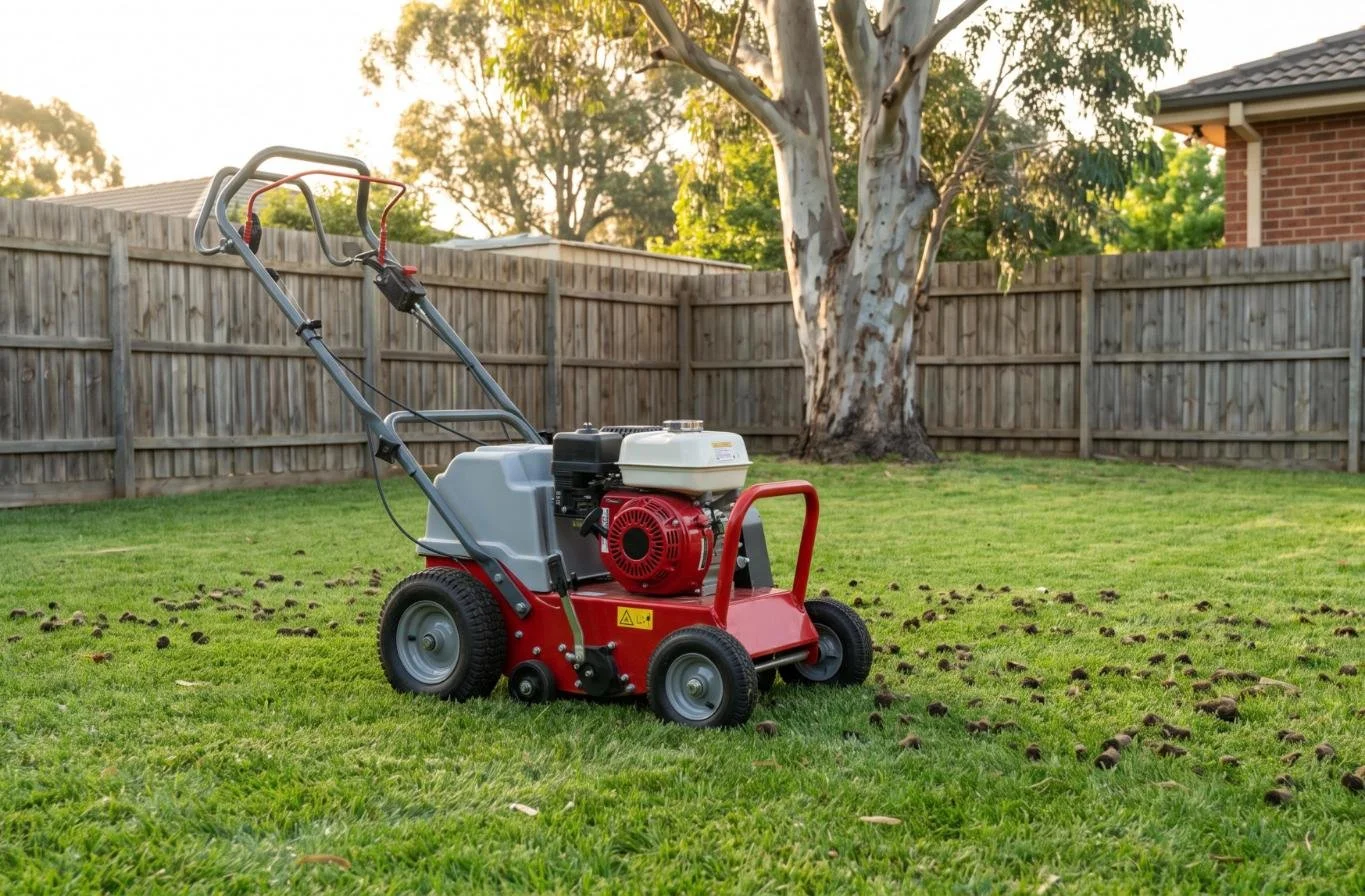
Core aeration (spring or autumn): Opens Canberra clay, strengthens roots, and improves treatment reach.
Wetting agent in warm months: Fix hydrophobic areas so water reaches the root zone.
Water within ACT rules: Use a hand-held hose with trigger nozzle anytime; sprinklers only before 9am/after 6pm in spring–autumn, and at any time in winter, never to pooling or runoff.
Control: what I do when activity is confirmed
Grubs (scarab larvae):
Act quickly. I use a timed treatment and then plan recovery (rake, light top dress, overseed, gentle feed). We address bird damage if present. See our detailed grub/black beetle guide for the full workflow.
Armyworm / sod webworm:
Treat during active feeding, then switch to deep, morning watering and steady nutrition. The soap-flush helps confirm caterpillars on site.
Important: I avoid naming chemicals here, my service includes product choice, rates, and timing so you don’t need to gamble with the lawn.
Repairing the lawn after pests (my sequence)
Rake out dead leaf to open the canopy.
Light top dress (5–8 mm) with fine sandy loam to level and improve contact.
Overseed thin areas to rebuild density fast.
Gentle feed to support roots without surge growth.
Deep, less-frequent watering once seedlings are set, inside ACT rules.
Canberra timing calendar (simple and reliable)
Spring: Preventative program; aeration where compacted; monitor for black beetle and early caterpillars.
Summer: Watch for armyworm/webworm after warm nights and rain; keep wetting agents up where soils repel water.
Autumn: Respond fast to late-season grubs; repair and thicken before winter.
Winter: Tune mowing height and drainage; build strength for spring.
FAQs
How do I tell grubs from drought?
Do the patch-pull test. If turf lifts like carpet, roots are gone (grubs). If roots hold but leaf is dry, it’s likely water or soil issues.
Will birds fix a grub problem for me?
They eat larvae but tear the lawn apart doing it. You still need proper treatment and repairs.
Are “one-and-done” sprays enough?
Not usually. Timing and follow-up matter because life cycles stagger. I schedule checks to make sure activity actually stops.
DIY or leave it to The Lawn Firm?
You can run the soap-flush, raise mowing height, and improve watering. If you want fast, even results across a whole yard, I’ll diagnose on site, apply the right treatment at the right time, and stage recovery so your lawn bounces back quickly, and stays that way.

Looking for the perfect gift for the lawn enthusiast in your life? The Lawn Firm Gift Cards are the ideal solution. Redeemable for any of our professional lawn care services, these gift cards make it easy to give the gift of a greener, healthier lawn. From fertilisation to weed control and pest management, there’s something for every lawn need.
Why Choose a Lawn Firm Gift Card?
Versatility: Can be used for any service offered by The Lawn Firm.
Thoughtful Giving: A practical gift for anyone who values a beautiful outdoor space.
Simple to Use: Purchase online and enjoy easy redemption.
Order your gift card today and let your loved ones experience the professional touch of The Lawn Firm. It’s the perfect way to show you care while helping someone achieve the lawn of their dreams.
This gift card never expires.