
G'day, Nikolai here from The Lawn Firm. Yellow grass is one of the most common things people ring me about, and it is also one of the easiest to get wrong. A yellow lawn is a symptom, not a diagnosis. The same pale colour can come from hunger, thirst, drowning, disease, pests or plain old compaction, and each one needs a different fix. Treat the wrong one and you can make things worse.
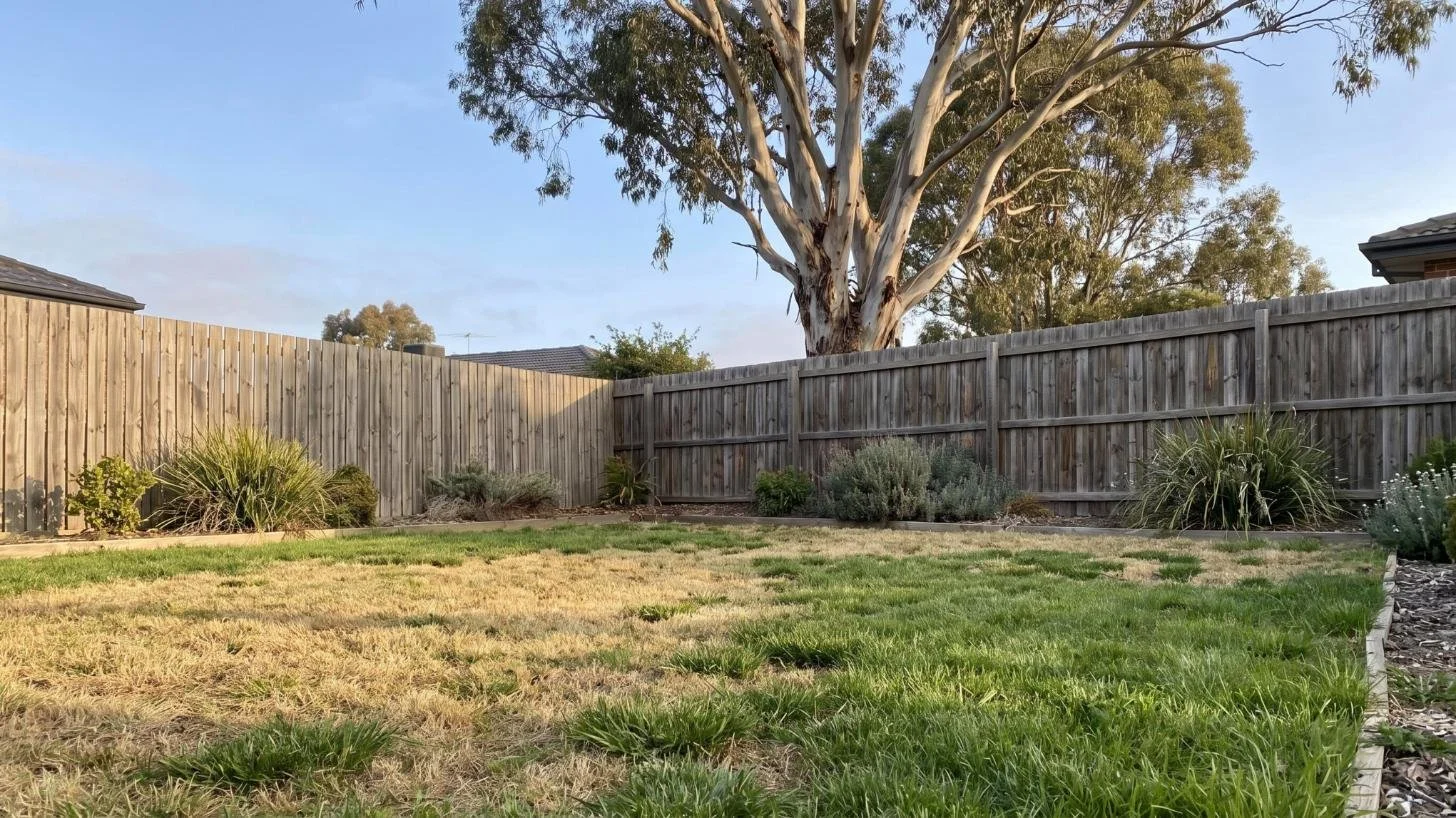
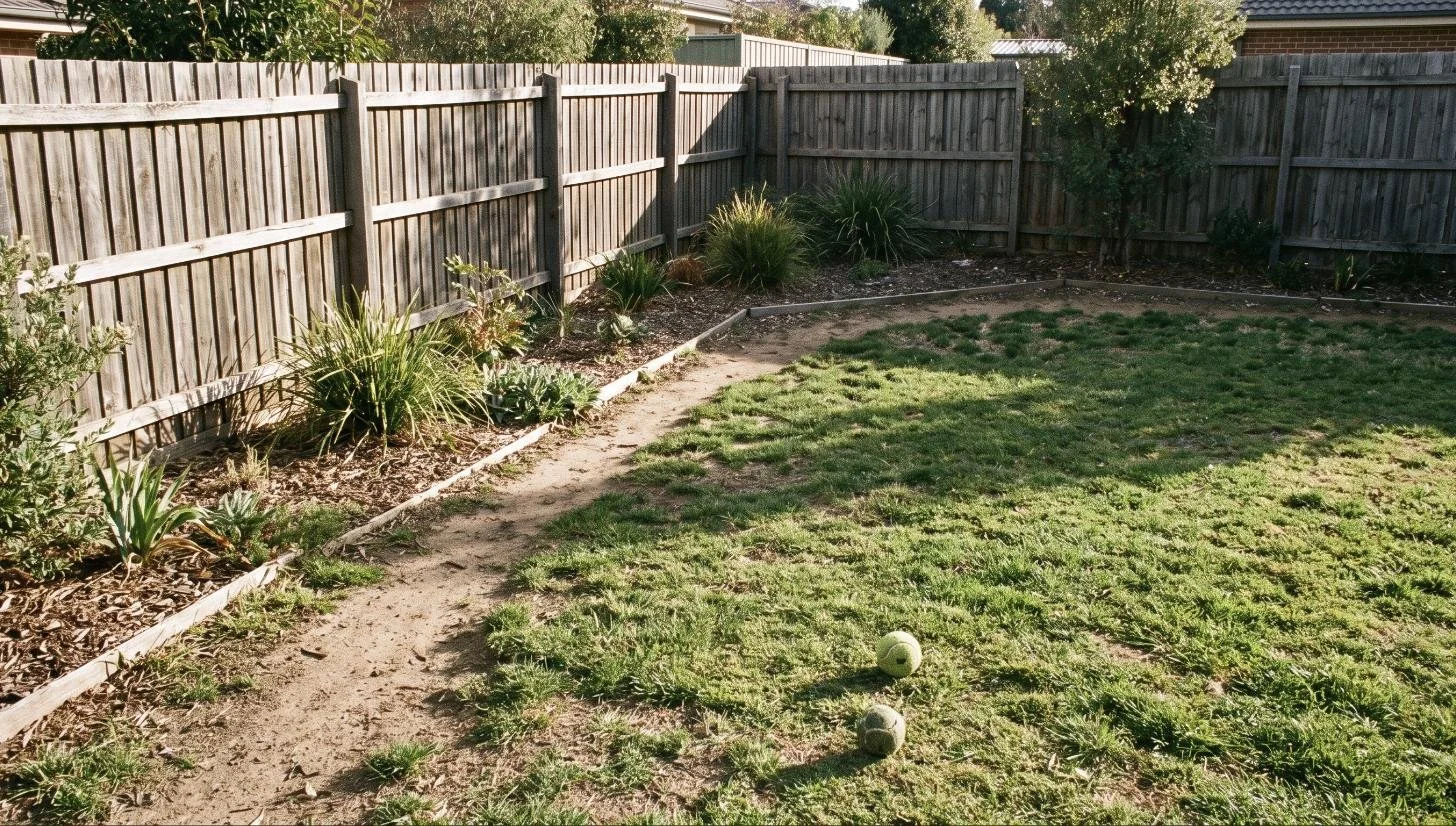
A Canberra lawn with yellowing patches against healthy green grass, a pattern that helps point to the cause.
The quick answer:
In Canberra, a yellowing lawn is most often caused by one of six things: low nitrogen (an even, pale, hungry look), iron or pH trouble (yellow leaves with green veins), too little water (grey-yellow, footprints that stay), too much water or poor drainage (yellow and soft, often in low spots), disease (defined patches or spots) or pests such as grubs (irregular dead patches that lift like carpet). The pattern of the yellowing, where it sits on the lawn and what the grass blades and roots look like will usually tell you which one you have before you spend any money.
First, check whether it is yellow or just dormant
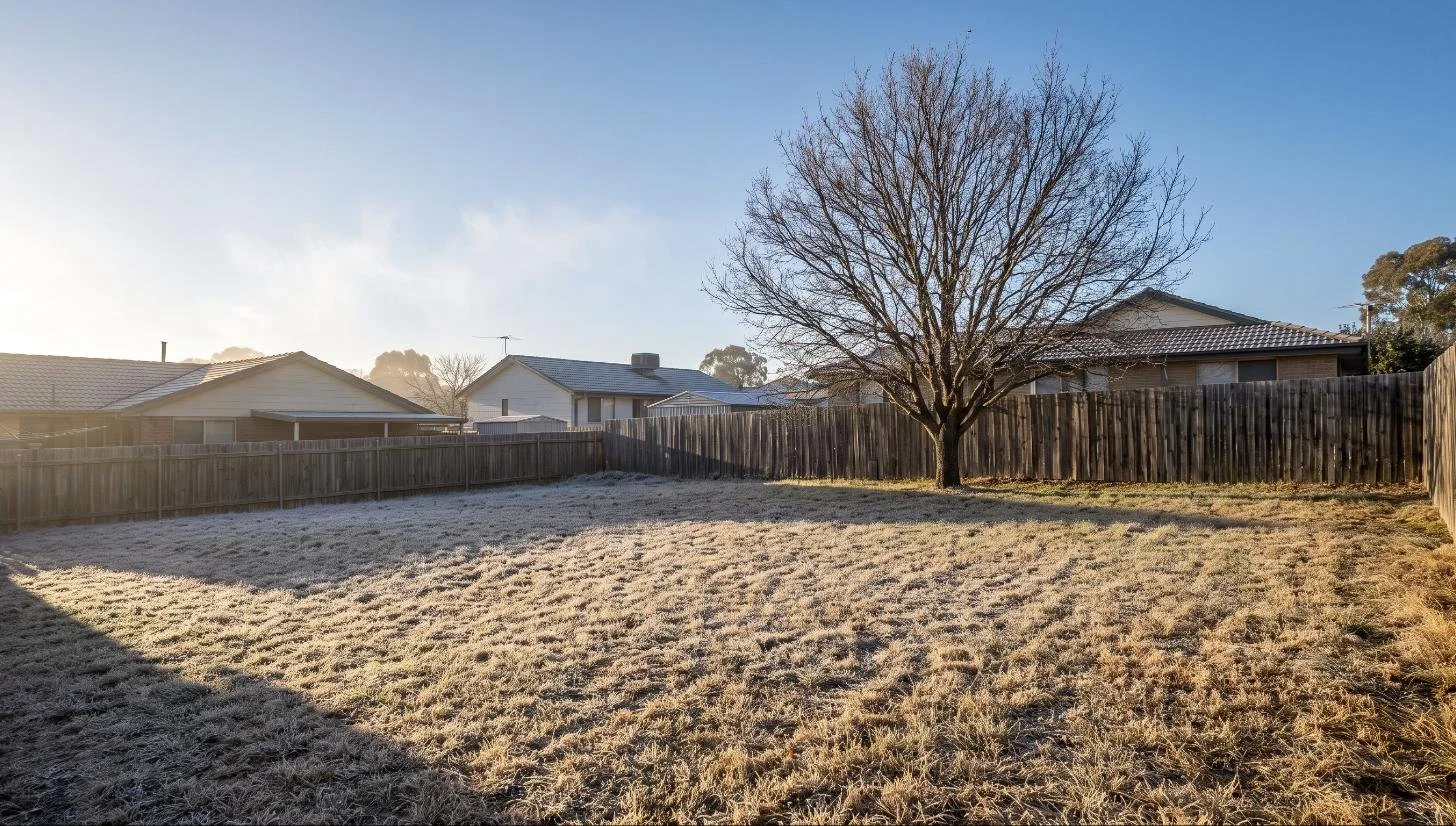
Before anything else, check the season and the grass type. Warm season grasses such as kikuyu, couch, buffalo and zoysia go straw-coloured when it gets cold. That is dormancy, not a problem, and no amount of fertiliser will fix it. If it is the middle of winter and the whole lawn has faded evenly, you are probably looking at a lawn that is resting. My winter lawn care guide explains what is normal. If it is spring, summer or early autumn and a growing lawn is turning yellow, keep reading.
Cause 1: Not enough nitrogen
This is the most common cause I find. Nitrogen is what makes grass green, and a lawn that has gone a long time without feeding fades gradually. The yellowing is fairly even across the lawn, the growth is slow, and the lawn often looks thin and tired rather than dead. Older leaves go pale first, because the plant pulls nitrogen out of them to feed new growth.
Canberra soils are often low in organic matter, and our sandy and clay loam profiles hold nutrients differently. A single feed in spring will not carry a lawn through a long growing season. Feeding on a sensible schedule matters more than a heavy dose in one go, and that is why I put fertilisation at the centre of a year-round maintenance programme. The full detail is in my complete guide to lawn fertilisation in Canberra.
A word of caution. Do not respond to a yellow lawn by throwing a heap of fertiliser at it. Over-applying can burn the grass and make the problem look worse, which I cover in my post on fertiliser burn.
Cause 2: Iron deficiency or the wrong soil pH
This one looks different. The new growth turns pale yellow while the veins of the leaf stay green, a pattern called interveinal chlorosis. It often shows up after cold, wet weather, or on lawns where the soil pH is out of range and the iron is locked up even though it is present in the soil.
You cannot tell this from a nitrogen shortage by guessing, and applying iron to a pH problem treats the symptom only. This is where a soil test earns its keep. It tells you the pH, the nutrient levels and what the soil can actually supply. I explain how to read the results in my soil testing guide.
Cause 3: Too little water
A thirsty lawn does not go bright yellow straight away. It first turns a dull grey-green, the blades fold or curl, and your footprints stay pressed into the grass instead of springing back. Then it goes straw-yellow, usually starting in the hottest, driest spots: along paths, driveways, north facing edges and on slopes.
There is a trap here. Sometimes the lawn is being watered, but the water is not getting into the soil. Hydrophobic soil repels water, so the surface looks wet while the roots stay dry, and you get yellow, irregular dry patches that do not respond to more watering. If you have patches that stay dry no matter what, read my guides on hydrophobic soil and how to manage watering under Canberra's water restrictions.
Cause 4: Too much water or poor drainage
The reverse problem looks surprisingly similar. Yellow, soft grass in low spots or after heavy rain is often waterlogged. Roots need oxygen, and a saturated soil drowns them. Canberra has a lot of heavy clay, which holds water and drains slowly, especially on new builds where the soil has been compacted by machinery.
The giveaway is the soil. Push a screwdriver into the yellow patch. If it goes in easily and comes out wet and smelly, drainage is your issue. If it will barely go in, you may be looking at compaction instead. My guide on clay soil drainage explains how I fix waterlogged lawns.
Cause 5: Compaction
Compacted soil is hard, and roots cannot push through it. The lawn thins and yellows along the places that get the most traffic: the path from the back door to the clothesline, the area around a trampoline, the strip where kids kick a ball. Water runs off instead of soaking in, so a compacted patch often looks like a drought problem even when you are watering.
The fix is to relieve the compaction, usually with coring, and then feed and water properly. I cover how and when in my guide to aeration and coring.
Cause 6: Disease or pests
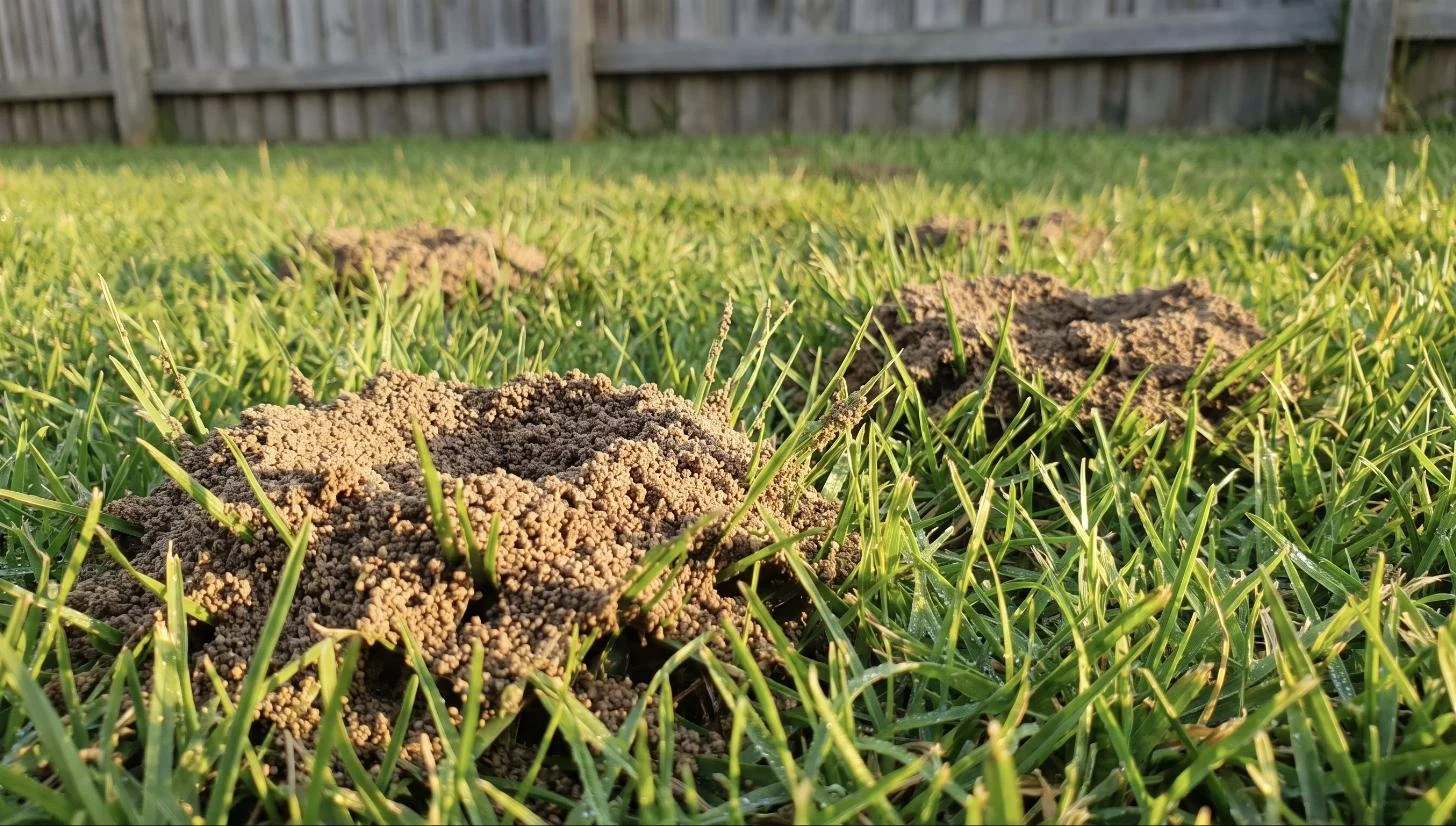
Yellow patches with a defined shape point towards something living. Fungal disease tends to produce circles, small bleached spots or a rusty orange dust on your shoes. Pests such as curl grubs and black beetle larvae feed on the roots and leave irregular dead patches that you can lift like a rug, with little resistance, because there is almost no root left holding the turf down.
A simple tug test helps. Grip a handful of grass in the yellow area and pull. If it comes away easily with a short, chewed root system, suspect pests. If the roots are healthy but the leaves have spots or lesions, suspect disease. Both are covered in my guides on lawn pest control and lawn fungus and disease. I do not recommend spraying for either one without confirming what you have, because the wrong product wastes money and can stress the lawn further.
A quick way to read the pattern
Even, pale yellow across the whole lawn, slow growth: likely nitrogen.
New leaves yellow with green veins: likely iron or pH.
Grey-yellow, curling blades, footprints that stay: likely water stress.
Yellow, soft and wet in low spots: likely drainage.
Yellow along traffic routes with hard soil: likely compaction.
Defined circles or patches that lift easily: likely disease or pests.
One-off spots that are yellow with a dark green ring: likely dog urine, covered in my guide to pet urine spots.
My process for diagnosing a yellow lawn
I confirm the season and grass type so I am not mistaking dormancy for damage.
I look at the pattern: where the yellow sits, how it spreads and whether it follows sun, slope, traffic or sprinklers.
I check the soil, including moisture, compaction and drainage, with a probe.
I inspect the roots and crown for pests, thatch and disease.
I test the soil where the cause is not obvious, so pH and nutrients are measured rather than guessed.
I build a plan that fixes the cause first, then feeds and repairs the lawn.
That order matters. Feeding a lawn that has grubs, or watering a lawn that is hydrophobic, just wastes money. That is the difference between guessing and diagnosing.
Final word
A yellow lawn is usually fixable, but the right fix depends on the right diagnosis. If you are not sure which of these you are looking at, or you have tried feeding and watering and nothing has changed, it is worth having someone look at the lawn properly. I will check the pattern, the soil and the roots and tell you plainly what I find, and no outcome is ever guaranteed until the cause is confirmed. Book a Free Assessment
Key points I get asked on a regular basis
Why is my lawn yellow even though I water it every day?
Frequent shallow watering does not mean the roots are getting a drink. It can encourage shallow roots, and if the soil is hydrophobic or compacted, the water may run off or sit on top. On the other hand, watering every day on heavy clay can drown the roots. Deeper, less frequent watering usually works better, but the right schedule depends on your soil and grass type, so it is worth checking the soil itself before changing anything.
Will fertiliser turn my yellow lawn green again?
Only if low nitrogen is the cause. Fertiliser will not fix disease, grubs, poor drainage or compaction, and too much can burn the grass. If the lawn is yellow because it is hungry, a correctly timed feed will usually bring the colour back within a few weeks of active growth. If it does not, the cause is something else.
Is a yellow lawn dead?
Not necessarily. Yellow grass with live roots and green growing points at the crown can recover once the cause is fixed. Grass that is brown, brittle and pulls up with no roots is more likely dead. A quick test is to give the grass a gentle tug and look at the base. Green or white, firm tissue at the base is a good sign.
Can dog urine cause yellow patches?
Yes. Urine is high in nitrogen and salts, and a concentrated dose kills the grass in a spot, often leaving a dead centre with a darker green ring around it. Spreading the damage out by watering the area soon after, and repairing the dead patches, helps. I cover the causes and fixes in my post on pet urine spots.
When should I get a soil test for a yellow lawn?
If the pattern is unclear, if you have fed the lawn and it has not responded, or if new growth is yellow with green veins, a soil test is a good next step. It takes the guesswork out by showing the pH and nutrient levels, so any feeding or soil correction is based on measurements rather than assumptions.
How do I book a yellow lawn assessment in Canberra?
Use the booking link and I will come out, look at the pattern, check the soil and roots, and tell you what is going on and what I would do about it. Book a Free Assessment
Looking for the perfect gift for the lawn enthusiast in your life? The Lawn Firm Gift Cards are the ideal solution. Redeemable for any of our professional lawn care services, these gift cards make it easy to give the gift of a greener, healthier lawn. From fertilisation to weed control and pest management, there’s something for every lawn need.
Why Choose a Lawn Firm Gift Card?
Versatility: Can be used for any service offered by The Lawn Firm.
Thoughtful Giving: A practical gift for anyone who values a beautiful outdoor space.
Simple to Use: Purchase online and enjoy easy redemption.
Order your gift card today and let your loved ones experience the professional touch of The Lawn Firm. It’s the perfect way to show you care while helping someone achieve the lawn of their dreams.
This gift card never expires.