
G'day, Nikolai here from The Lawn Firm. When Canberra turns on a run of 35 degree days, my phone gets busy. Homeowners look out the window, see the lawn losing colour and want to know whether to panic, water more or leave it alone. The good news is that most healthy lawns can ride out a heatwave if you make a few sensible decisions early. The bad news is that several well meaning habits can make things worse.
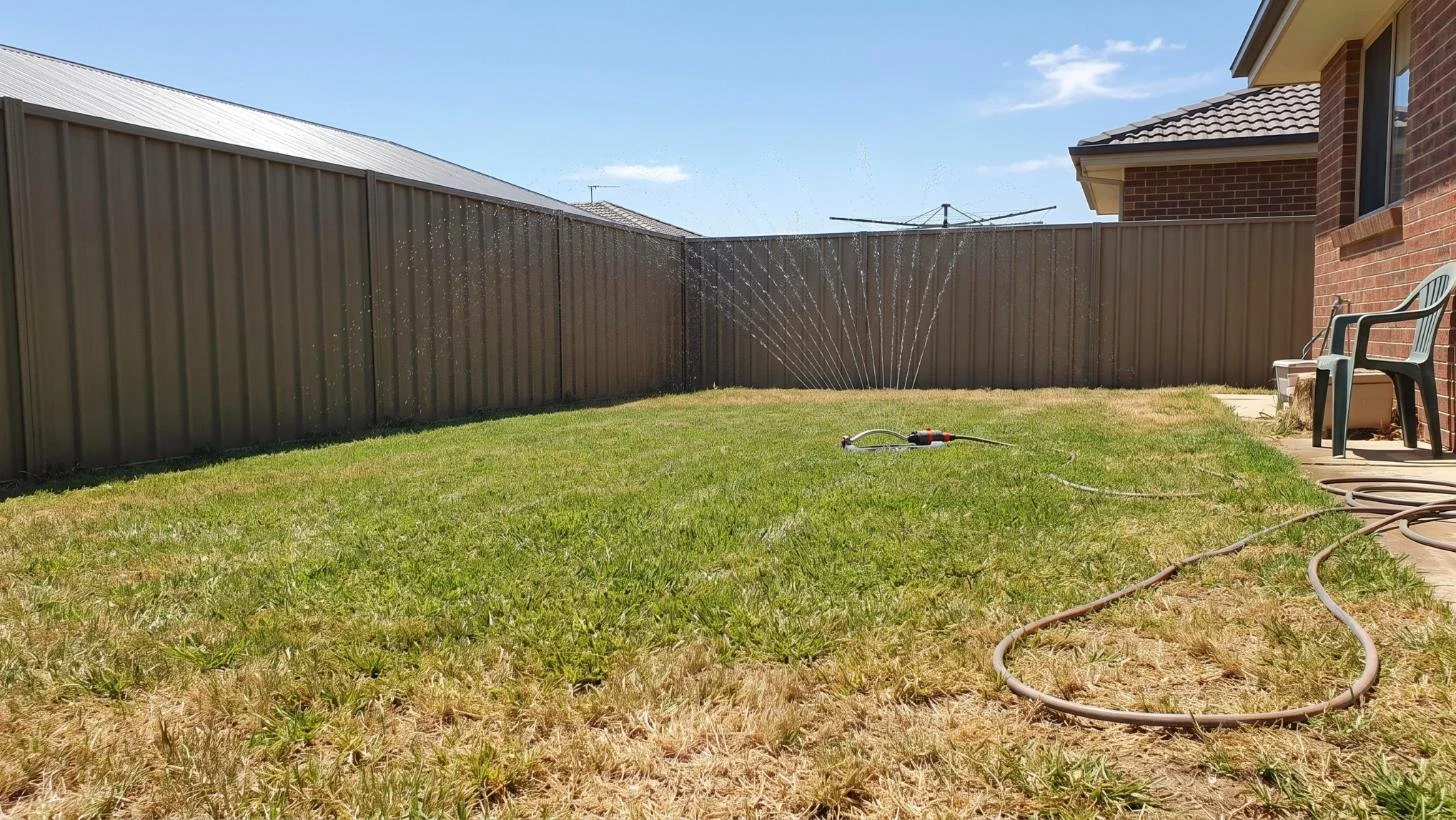
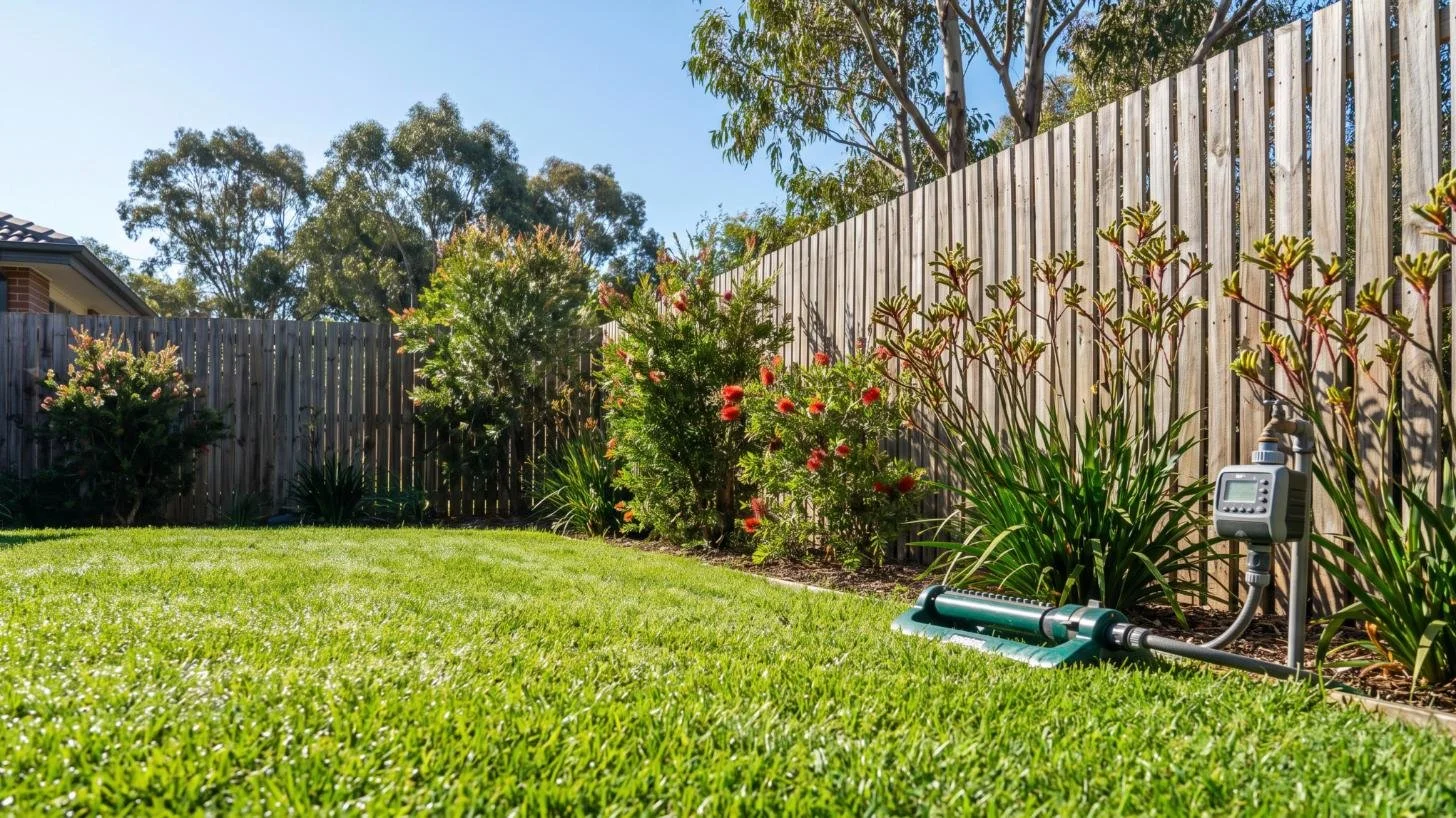
A sun-baked Canberra backyard lawn on a hot summer morning with a sprinkler running and a few straw coloured patches
The quick answer: what should you do in a heatwave?
Water deeply in the early morning, within local watering rules, rather than a little every day. Keep the grass a little taller than normal to shade the soil, hold off on fertiliser, herbicides and anything stressful until the weather cools, keep foot traffic off the lawn and watch for dry patches, pests and water repellent soil. A lawn that browns off during extreme heat is not always dead, because many grasses go dormant to protect themselves. Check before you rip anything out or throw money at a fix. In a heatwave, the goal is survival, not growth.
What heat does to a lawn
Grass is mostly water. When temperatures soar, the plant loses water through its leaves faster than the roots can replace it, especially if the soil is dry, compacted or repels water. The leaves fold, turn a dull blue grey, then straw coloured. A footprint that stays pressed into the grass instead of springing back is often the first sign.
Different grasses cope differently. Warm season varieties such as kikuyu, couch and buffalo handle heat and dry spells better than cool season types such as tall fescue, which can struggle once temperatures sit above the low thirties. If you are not sure what you have, my guide to identifying your grass type will help, and my summer lawn care guide covers the season more broadly.
Watering: the main lever
Water is what separates a stressed lawn from a damaged one.
Water early. The best time is before sunrise or in the early morning, when evaporation is low and the grass has time to dry. Watering in the heat of the day wastes water, and evening watering can leave the lawn wet overnight, which raises disease risk.
Water deeply. A long soak every few days encourages roots to chase moisture down. Short daily sprinkles keep roots shallow and make heat stress worse.
Check that it is soaking in. If water runs off or pools on the surface, the soil may be compacted or hydrophobic. My guides on hydrophobic soil and wetting agents explain the signs and options.
Follow the rules. Canberra can have water restrictions, so make sure your schedule fits them. My article on lawn watering under Canberra's water restrictions is a useful reference.
Test your sprinklers. A blocked head or poor overlap often explains why one section browns while the rest stays green.
A simple test: push a screwdriver into the soil after watering. If it slides in easily to a good depth, the water is getting down. If it stops at a hard, dry layer, the water is not.
Grass height: a little taller is kinder
This is homeowner guidance only. A slightly taller lawn shades the soil, keeps the root zone cooler and holds moisture better. Scalping a lawn before or during a heatwave exposes the soil and stresses the plant. Aim for the upper end of the recommended height for your grass type. My lawn height and care guide has the details. The Lawn Firm does not offer a mowing service, so if you need help with cutting, a local contractor or a neighbour is the way to go.
Feeding, spraying and other things to hold off
A heatwave is not the time for fixes that push or stress the grass.
Hold off on fertiliser. Feeding a stressed lawn can burn it and force growth it cannot support. If you are unsure about timing or the product, my post on liquid vs granular fertiliser explains the options and the burn risks, and my fertiliser burn guide covers what to look for.
Be cautious with herbicides. Spraying weeds on very hot days can damage the lawn, and some grasses, such as buffalo, are sensitive to certain products. Wait for cooler weather and have the weeds identified first.
Avoid heavy renovation. Dethatching, scarifying and overseeding all work better when the lawn can recover.
Keep traffic down. Stressed grass is brittle and does not repair quickly. Pets, children and parties can leave tracks that last.
Do not leave anything on the lawn. Paddling pools, hoses and furniture can leave yellow patches in a couple of days of heat.
Is it dead or just dormant?
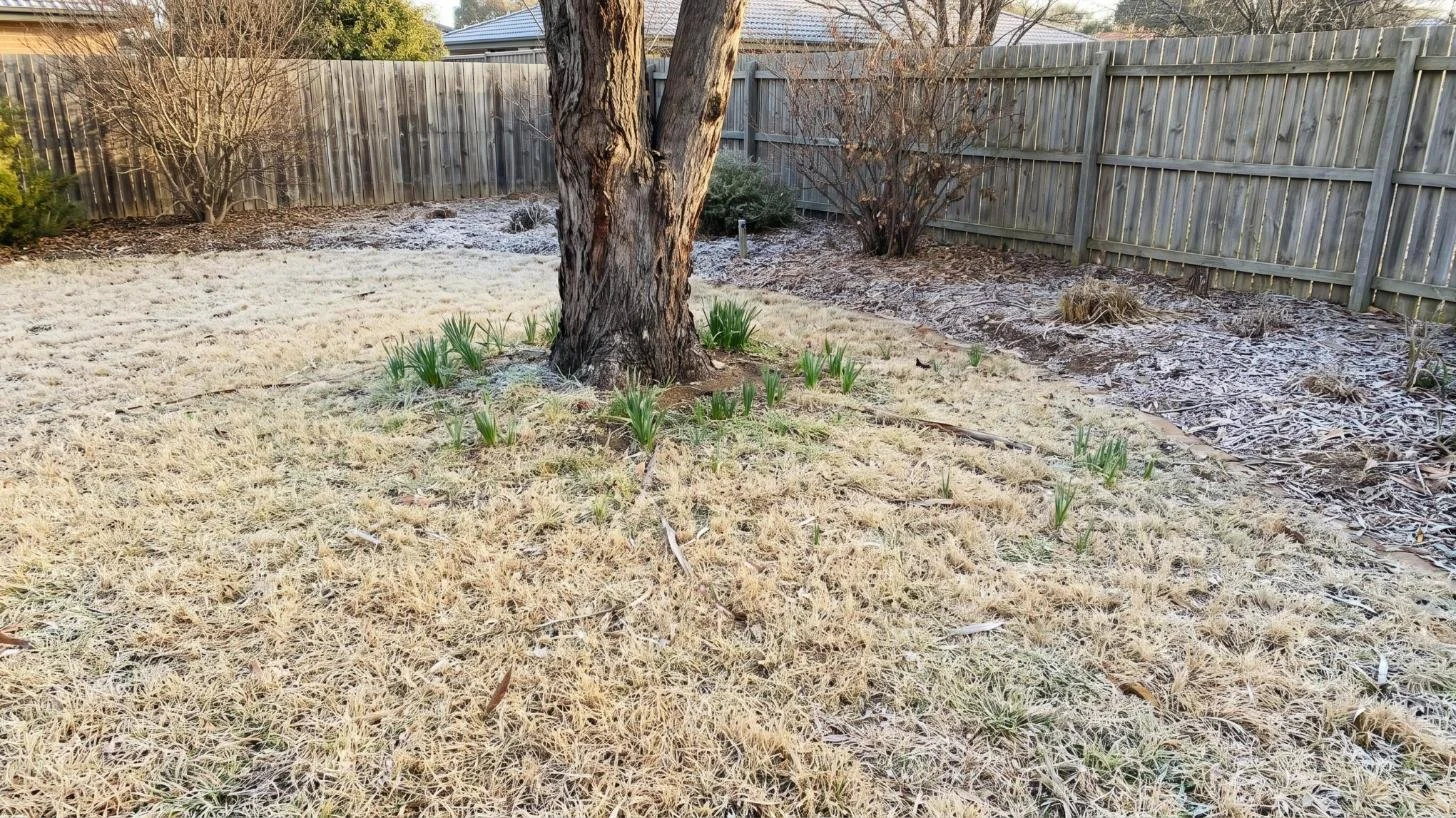
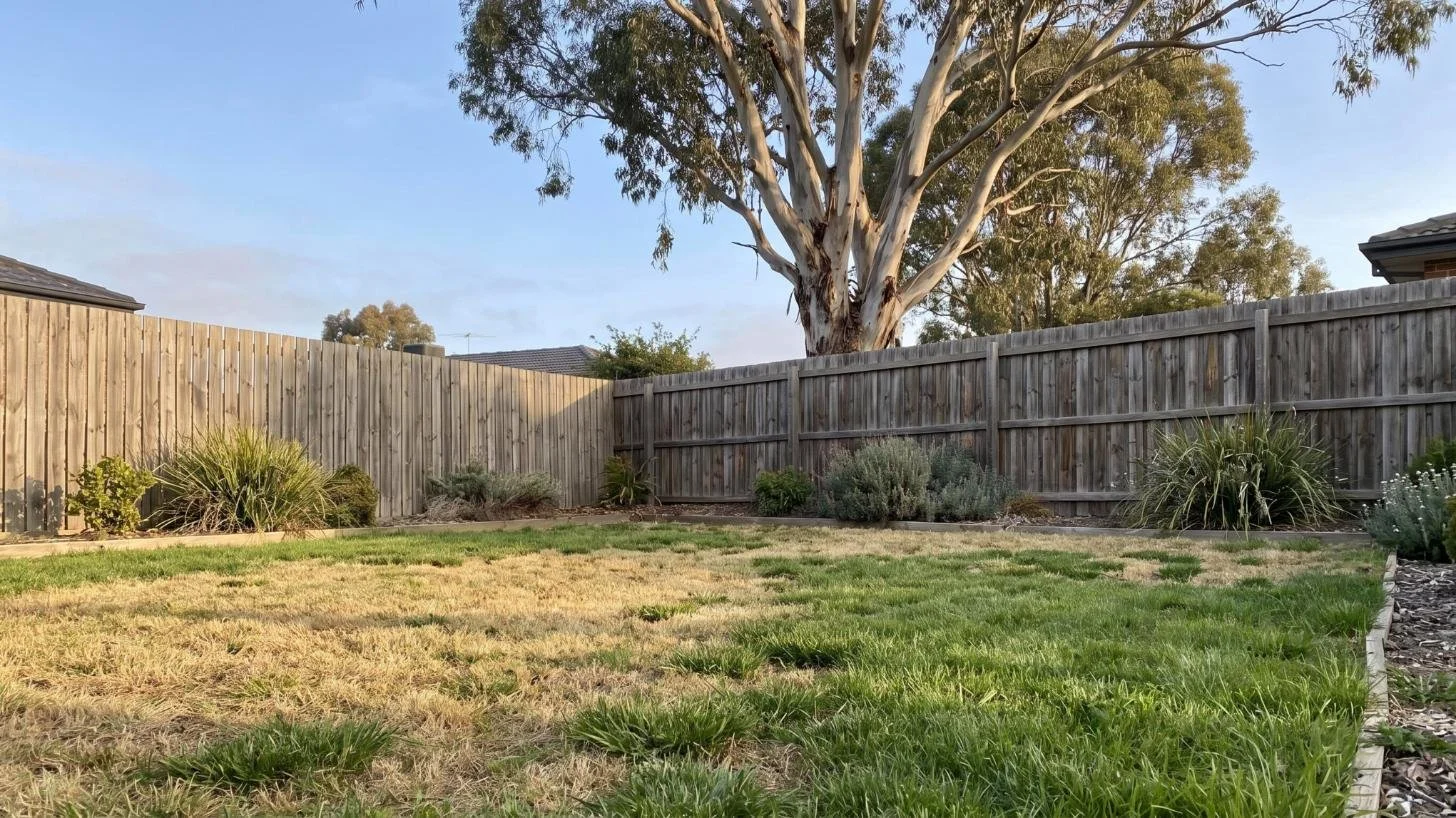
Brown does not always mean dead. Many lawns go dormant in extreme heat as a survival mechanism. The leaves dry off, but the crowns and roots stay alive and green up again when conditions improve. A quick check is to tug the grass. If it pulls out easily with no roots, it may be gone. If it resists and the base looks pale green or cream, it is likely dormant. I have a full guide on this in is my lawn dead or dormant.
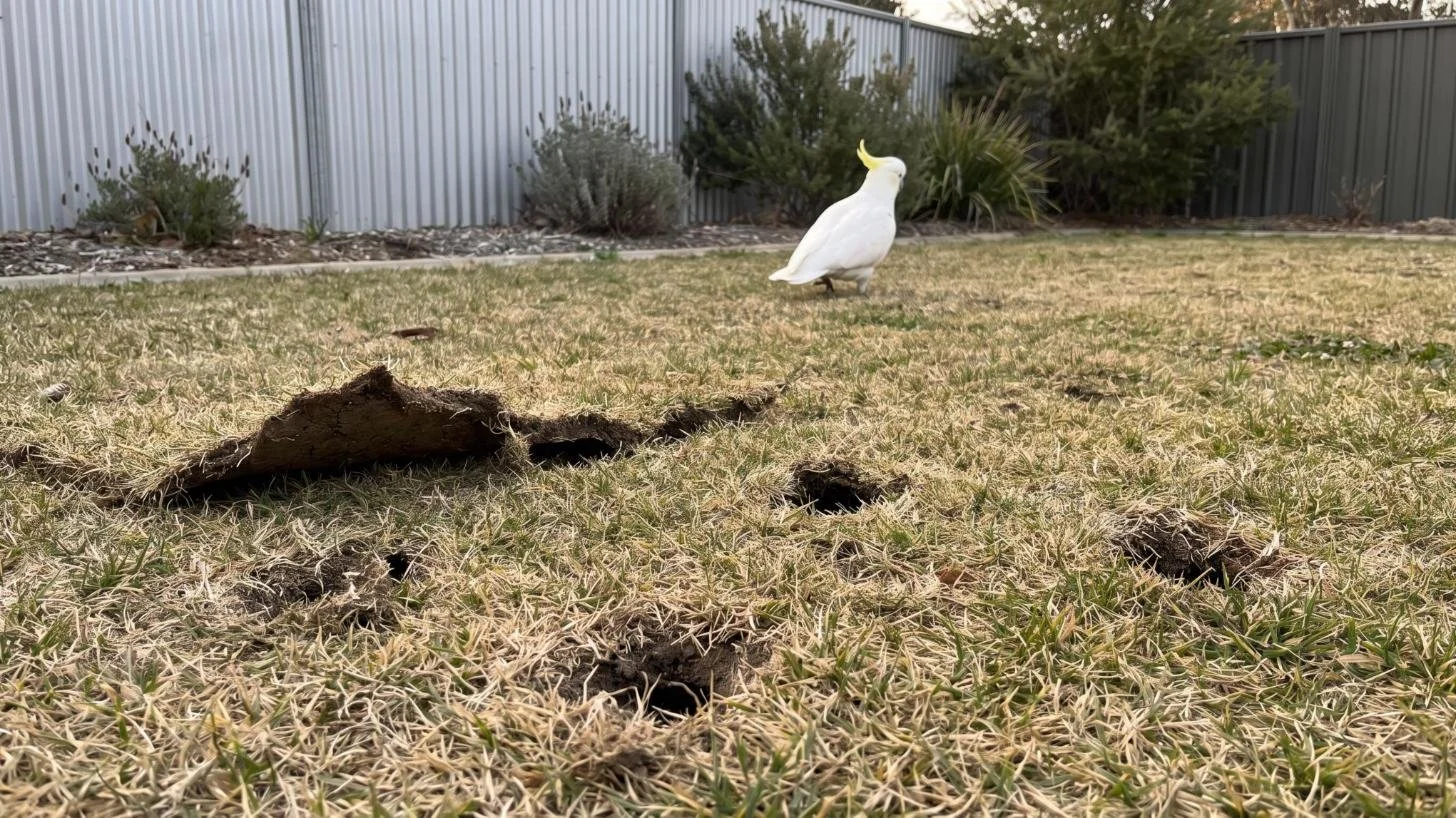
Other things can look like heat damage too, including pests and disease. Chewed blades, birds digging and irregular patches can point to insects, and my lawn pest control guide will help you rule them in or out. If the whole lawn is yellow rather than straw coloured, my post on why a lawn turns yellow covers other causes.
A simple heatwave checklist
Before it hits: water deeply the day before, check sprinklers, move items off the lawn and hold off on feeding or spraying.
During: water early, deeply and within local rules. Keep the grass a little long. Stay off it as much as possible.
If you are away: set a timer and ask someone to check in. My guide to lawn care while on holiday has a full checklist.
After: give the lawn a few days, then assess. Look for dry or dead patches, weeds and pests before deciding on repairs.
Recovering after the heat
Once temperatures drop, be patient. Resume normal watering, and let the lawn show you where it has recovered. Dormant areas may take a few weeks to green up. Patches that do not return may need aeration, a soil check or repair, and the cause matters more than the colour. If you want a plan for the rest of the season, my lawn maintenance programme shows how recovery fits into the year. No lawn is guaranteed to come through every extreme, but good watering and restraint give it the best chance.
Final word
In a heatwave, do less and do it well: water deeply and early, keep the grass a bit taller, hold off on feeding and spraying, and keep traffic off. Then check what has actually been damaged before spending money. If you want an expert opinion on how your lawn has coped, I am happy to take a look. Book a Free Assessment
Key points I get asked on a regular basis
How often should I water my lawn in a heatwave?
Most lawns do better with a deep soak every few days than a light sprinkle every day, but it depends on your grass, soil and local rules. Water early in the morning and check that the water is soaking in rather than running off.
Should I fertilise during a heatwave?
Generally no. Feeding a heat stressed lawn can burn it and encourage growth it cannot sustain. Wait until conditions cool and the lawn is growing again, then use a product suited to the season and your grass type.
Will my brown lawn recover after a heatwave?
Often yes, if it has gone dormant rather than died. Many grasses brown off to survive extreme heat and recover once temperatures drop and moisture returns. Check the crowns and roots before deciding anything, and allow a few weeks for recovery.
Is it okay to water in the middle of the day?
It is not ideal. Much of the water evaporates before it soaks in, and droplets do not cause burn as such, but you waste water. Early morning is the best time. If a lawn is wilting badly, a light cooling drink is better than nothing, within local rules.
Does a taller lawn handle heat better?
Usually, yes. A slightly taller lawn shades the soil, keeps it cooler and holds moisture longer. Scalping a lawn in hot weather exposes the soil and adds stress.
How do I book a lawn heat stress check in Canberra?
Use the booking link and I will look at the lawn, the soil and your watering setup and tell you what is going on and what to do. Book a Free Assessment
Looking for the perfect gift for the lawn enthusiast in your life? The Lawn Firm Gift Cards are the ideal solution. Redeemable for any of our professional lawn care services, these gift cards make it easy to give the gift of a greener, healthier lawn. From fertilisation to weed control and pest management, there’s something for every lawn need.
Why Choose a Lawn Firm Gift Card?
Versatility: Can be used for any service offered by The Lawn Firm.
Thoughtful Giving: A practical gift for anyone who values a beautiful outdoor space.
Simple to Use: Purchase online and enjoy easy redemption.
Order your gift card today and let your loved ones experience the professional touch of The Lawn Firm. It’s the perfect way to show you care while helping someone achieve the lawn of their dreams.
This gift card never expires.