
Tall Fescue Lawn Care in Canberra: My Complete Guide
G'day, Nikolai here from The Lawn Firm. If your lawn stays green right through a Canberra winter while the neighbours' couch and kikuyu have gone straw brown, chances are you are standing on tall fescue. It is the most popular cool-season grass in our region for good reason, but it has its own quirks: it drinks more than the warm-season grasses in summer, it cannot repair itself when it thins out, and it sulks badly in compacted clay. This guide covers how I look after tall fescue lawns across Canberra, season by season, and how to fix the common problems I see every week.
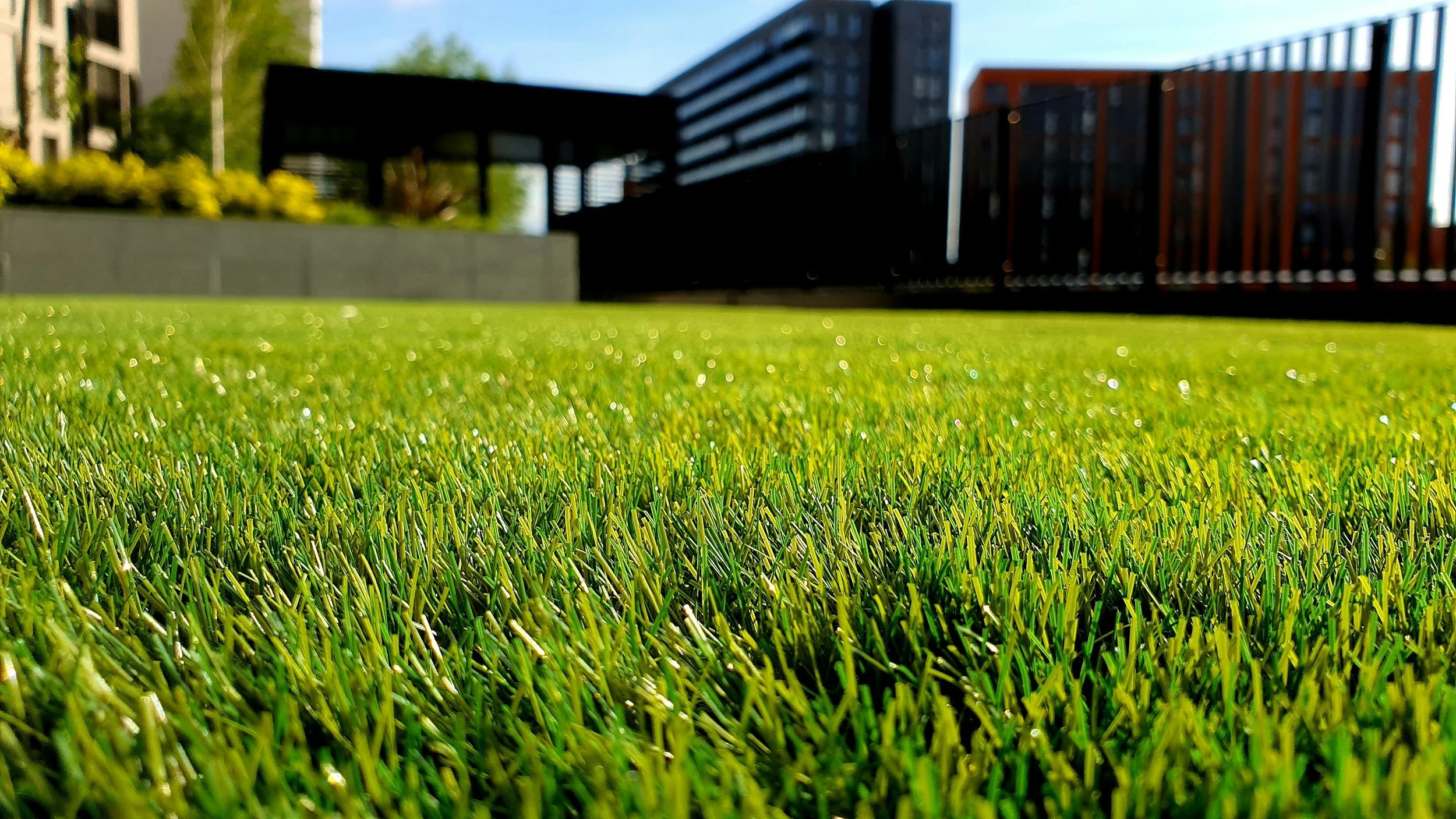
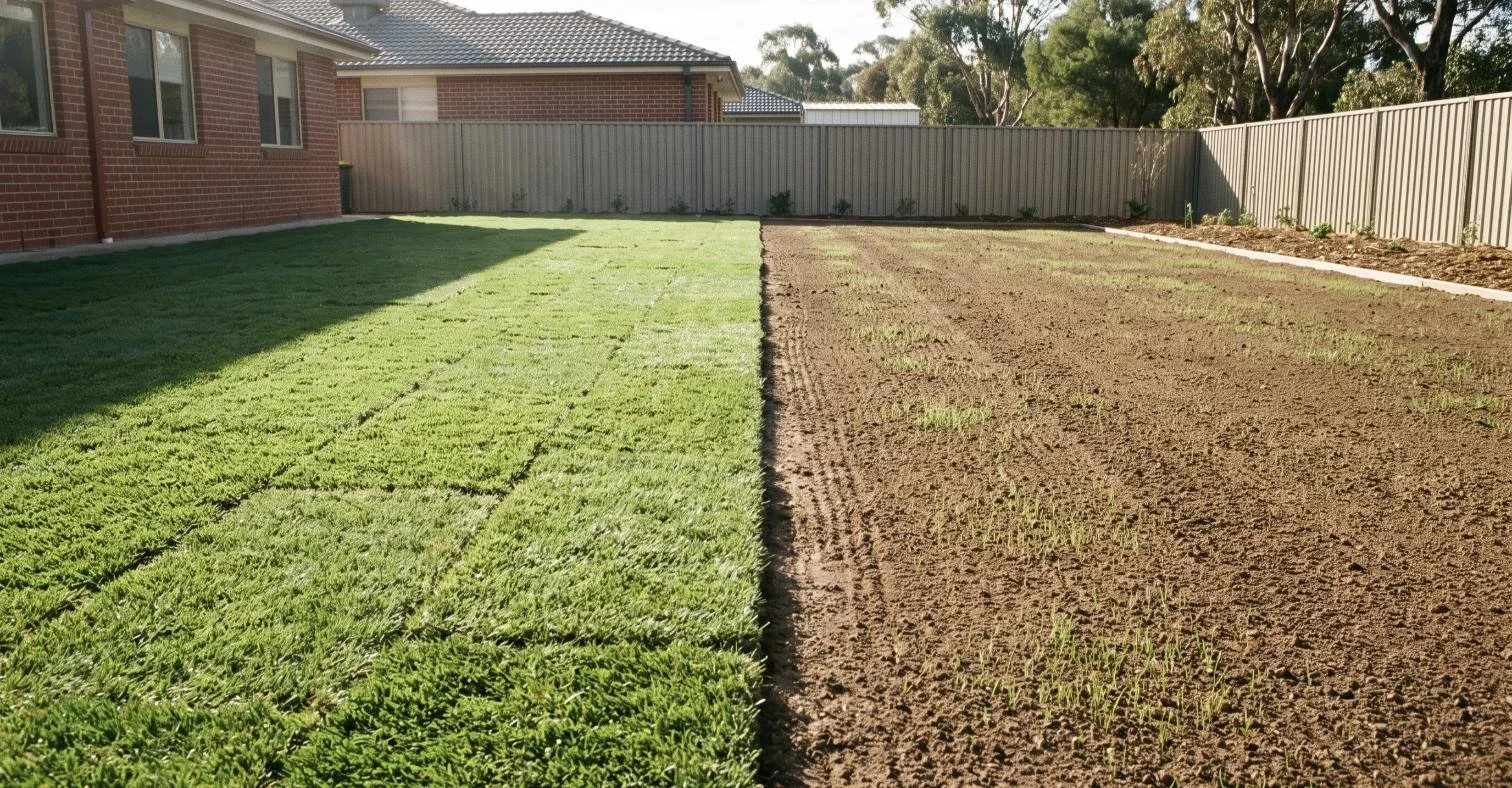
A thick, healthy green lawn in a sunny Canberra suburban backyard
The quick answer: how do you care for tall fescue in Canberra?
Tall fescue in Canberra wants regular feeding in autumn and spring, deep and less frequent watering through summer, a mowing height around 50 to 75 millimetres, and overseeding every one to two years to thicken it up, because fescue cannot spread to repair its own bare patches. It keeps its colour through winter, which is its biggest advantage here, but it relies on you to do the repair work that couch, kikuyu and buffalo do for themselves.
Why tall fescue suits Canberra so well
Canberra is cool-temperate country: frosts from autumn through to spring, hot dry spells in January and February, and big swings between day and night temperatures. Tall fescue is a cool-season species that does its best growing in autumn and spring, exactly when Canberra weather is at its kindest. The practical benefits I see on local lawns:
It holds a deep green colour all winter, when warm-season lawns like couch and kikuyu go dormant and brown off.
It handles frost without damage. A frosted fescue lawn looks silver in the morning and green by lunchtime.
It has a deep root system for a cool-season grass, which helps it ride out short dry spells better than ryegrass or bluegrass.
It tolerates part shade better than couch or kikuyu, making it a good fit for the treed blocks in Canberra's older suburbs.
The trade-offs are just as real. Fescue is a bunch-type grass with no runners, so it cannot creep back over bare patches the way buffalo, couch or kikuyu do. Damage from grubs, dogs, drought or traffic stays there until you reseed it. It also needs more summer water than the warm-season grasses, and in Canberra's heavy clay it is prone to compaction stress.
If you are not sure which grass you actually have, or you are weighing up fescue against a warm-season lawn for a new area, Book a Free Assessment and I will identify it and give you a straight answer on what will work for your block.
How to identify tall fescue
Tall fescue is easy to pick once you know the signs:
Coarse, flat blades, usually 4 to 8 millimetres wide, with visible ribbing or veins running the length of the upper side of the leaf.
A distinctly clumpy growth habit. Look closely at a thin area and you will see individual tussocks rather than a creeping mat.
No runners. If you can find stolons creeping across the surface, you are looking at couch, kikuyu or buffalo, not fescue.
Deep green colour in the middle of winter, when the warm-season grasses around town have browned off.
Most Canberra fescue lawns are turf-type tall fescue, bred finer and denser than the old pasture types, often laid as instant turf with a little Kentucky bluegrass blended in.
My year-round tall fescue programme for Canberra
Fescue runs on a different calendar to warm-season lawns. The heavy lifting happens in autumn and spring, and the goal in summer is simply to keep it alive and comfortable.
Autumn: the most important season
Autumn is when I do the serious work on fescue lawns. The soil is still warm, the air is cooling down, and the grass is growing strongly.
Feed with a balanced fertiliser in March and again in May. Fescue is a hungry grass and autumn feeding sets up its root system and winter colour. My full approach is in my guide to lawn fertilisation in Canberra.
Overseed thin areas in March or April. This is the single most important job for fescue, because the grass cannot thicken itself. I cover the method step by step in my overseeding guide.
Aerate compacted areas while the grass is growing strongly enough to take advantage of it. Canberra clay compacts badly, and fescue roots stall in compacted ground. See my aeration and coring guide.
Keep mowing at 50 to 75 millimetres as growth continues well into May.
Winter: enjoy the colour, go gently
This is where fescue earns its keep. While the rest of the street is brown, a well-fed fescue lawn stays green.
Mow occasionally, as growth slows but does not stop. Never scalp it in winter.
Stay off the lawn on heavy frost mornings, since frozen blades bruise underfoot.
Watch for winter grass invading. Poa annua loves the same conditions fescue does, and its lime green clumps stand out against fescue's dark colour. My winter grass guide covers identification and control.
A light feed in June helps colour if the lawn is pale, but I keep winter feeding modest.
Spring: feed, thicken, get ahead of weeds
Spring is the second growth window, from September through November.
Feed in early September and again in late October.
Overseed any patches that winter traffic or shade have thinned, and do it early so the new grass is established before summer heat.
Apply pre-emergent weed control in early spring if summer grasses like paspalum or crowsfoot have been a problem. My pre-emergent timing guide explains the windows I use.
Check the thatch layer. Fescue produces less thatch than kikuyu, but older lawns still build it up. If the lawn feels spongy, see my dethatching guide.
Summer: survival mode
Summer is the danger period for fescue in Canberra. Hot westerly winds and 35 degree days stress a cool-season grass badly.
Water deeply and less often, two to three times a week in hot spells, early in the morning. Deep watering trains roots down and buys you resilience.
Raise the mowing height to 75 millimetres or more. Longer leaf shades the soil, keeps roots cooler and reduces evaporation.
Never fertilise with high-nitrogen products in the middle of summer heat, as it forces soft growth the plant cannot support.
Watch for dry patch. Canberra soils turn water-repellent in summer, and fescue shows it fast as sharp-edged brown patches that stay dry no matter how much you water. My hydrophobic soil guide explains the fix.
The problems I see most on Canberra fescue lawns
A brown or thinning fescue lawn is not automatically a watering problem. These are the usual suspects, roughly in the order I rule them out.
Thin, patchy growth that never recovers. This is the fescue signature. Because it cannot spread, every stress event leaves a permanent thin spot until you overseed. The repair is straightforward: fix the underlying cause, then reseed in autumn or spring.
Compaction. Clay soil, kids, dogs and trampolines all press the air out of the root zone. Fescue responds with weak, shallow roots and poor colour that fertiliser will not fix. Coring in autumn or spring is the answer.
Grubs and pests. Curl grubs and armyworm will chew through a fescue lawn just as happily as any other. Fescue's inability to self-repair makes pest damage more costly, so early identification matters. If patches are lifting like loose carpet or brown areas are spreading fast, rule pests in or out quickly.
Brown patch disease in humid summers. Fescue is susceptible to brown patch fungus during warm, humid spells, showing as roughly circular straw-coloured patches with a darker smoky edge. Improving airflow, watering in the morning rather than the evening, and easing off nitrogen in summer all reduce the risk.
Soil problems underneath it all. If a fescue lawn underperforms year after year despite good care, I test the soil before spending another dollar on products. pH, nutrient levels and organic matter tell the real story. That is the difference between guessing and diagnosing, and it is why soil testing is where I start on struggling lawns.
If your fescue lawn is thinning and you are not sure which of these is the cause, Book a Free Assessment and I will diagnose it properly before you spend money on the wrong fix.
Weed control in tall fescue
Fescue's dense winter growth actually suppresses weeds well, but weeds still find their way in, especially after summer thinning.
The good news is that tall fescue tolerates most common selective broadleaf herbicides used on lawns, which makes weeds like clover, capeweed, dandelion and bindii manageable. That is a real advantage over buffalo lawns, where many broadleaf herbicides cannot be used because buffalo is sensitive to them, so always check the label matches your grass type before anything goes in a sprayer.
Two weeds deserve special mention on fescue:
Winter grass, because it thrives in the same cool conditions and flowers right through a Canberra winter.
Summer grasses like paspalum and crowsfoot, which invade the gaps that summer stress leaves behind. Pre-emergent timing in early spring is the cheapest way to stop them.
I keep chemical advice diagnostic rather than prescriptive, because the right product and rate depend on the weed, the grass and the season. If weeds are getting away from you, my common lawn weeds guide will help you identify what you are dealing with, and an assessment will sort out the treatment plan.
Renovating a tired fescue lawn
If more than about a third of the lawn is thin or bare, patch-overseeding stops being efficient and a proper renovation makes more sense: fix compaction with coring, correct any soil issues a test has flagged, dethatch if needed, then overseed heavily in early autumn and topdress to level. Done in March or April, a tired fescue lawn can look transformed by June. The year-round structure behind this is in my lawn maintenance programme.
Key points I get asked on a regular basis
Does tall fescue stay green in a Canberra winter?
Yes. This is fescue's biggest advantage in our region. As a cool-season grass it keeps growing and holds its deep green colour right through winter, including through heavy frosts. If your fescue is pale in winter, it is usually hungry or sitting on compacted soil rather than dormant.
How often should I water tall fescue in summer?
In a Canberra heatwave, deeply two to three times a week, early in the morning. Deep, less frequent watering beats a light daily sprinkle every time, because it pushes roots down where the moisture holds. If water is running off or patches stay dry regardless, suspect hydrophobic soil rather than under-watering.
What height should I mow tall fescue?
Around 50 to 75 millimetres for most of the year, and up at 75 millimetres or higher through summer. Mowing fescue short is the fastest way to weaken it, since the plant loses its shade and its energy reserves at the same time. Never remove more than a third of the leaf in one mow.
Why does my fescue lawn have bare patches that never fill in?
Because tall fescue is a bunch grass with no runners, it physically cannot creep back over bare ground. Every bare patch stays bare until it is overseeded. Plan on overseeding thin areas every autumn, and every one to two years across the whole lawn to keep density up.
Is tall fescue better than couch, kikuyu or buffalo for Canberra?
It depends on what you want. Fescue gives you winter colour, frost resilience and shade tolerance, but asks for more summer water and regular overseeding. The warm-season grasses repair themselves and sip less water in summer, but brown off from May to October. I have written full guides on buffalo, kikuyu and couch so you can compare them properly for your block.
How do I book a lawn assessment for my fescue lawn in Canberra?
Easy. Book a Free Assessment and I will come and look at your lawn myself. I will confirm the grass type, check the soil and thatch, identify any weeds, pests or disease, and give you a clear plan for getting the lawn thick and green, with no obligation.
Final word
Tall fescue is the only mainstream grass that looks good in Canberra twelve months of the year. Give it autumn and spring feeding, deep summer watering and regular overseeding and it will reward you with the best winter lawn in the street. The catch is that it depends on you for its repairs, so the sooner problems are diagnosed properly, the cheaper they are to fix.
If your fescue lawn is thin, patchy or just not performing, do not guess at the cause. Book a Free Assessment and I will help you get it sorted before the next season gets away from you.

Looking for the perfect gift for the lawn enthusiast in your life? The Lawn Firm Gift Cards are the ideal solution. Redeemable for any of our professional lawn care services, these gift cards make it easy to give the gift of a greener, healthier lawn. From fertilisation to weed control and pest management, there’s something for every lawn need.
Why Choose a Lawn Firm Gift Card?
Versatility: Can be used for any service offered by The Lawn Firm.
Thoughtful Giving: A practical gift for anyone who values a beautiful outdoor space.
Simple to Use: Purchase online and enjoy easy redemption.
Order your gift card today and let your loved ones experience the professional touch of The Lawn Firm. It’s the perfect way to show you care while helping someone achieve the lawn of their dreams.
This gift card never expires.