
Why Hasn’t My Lawn Greened Up Yet? Slow Spring Green-Up in Canberra
G'day, Nikolai here from The Lawn Firm. If it is late September, the days are finally warm and your lawn is still sitting there looking like dry straw, you are not alone. This is the most common call I get around Canberra this time of year, and usually the caller has already started fertilising, watering more and worrying, all at once, which in a fair few cases has made the lawn slower rather than faster. So before you spend money or spread anything, let me walk you through how I actually diagnose a slow green-up, in the order I check it.
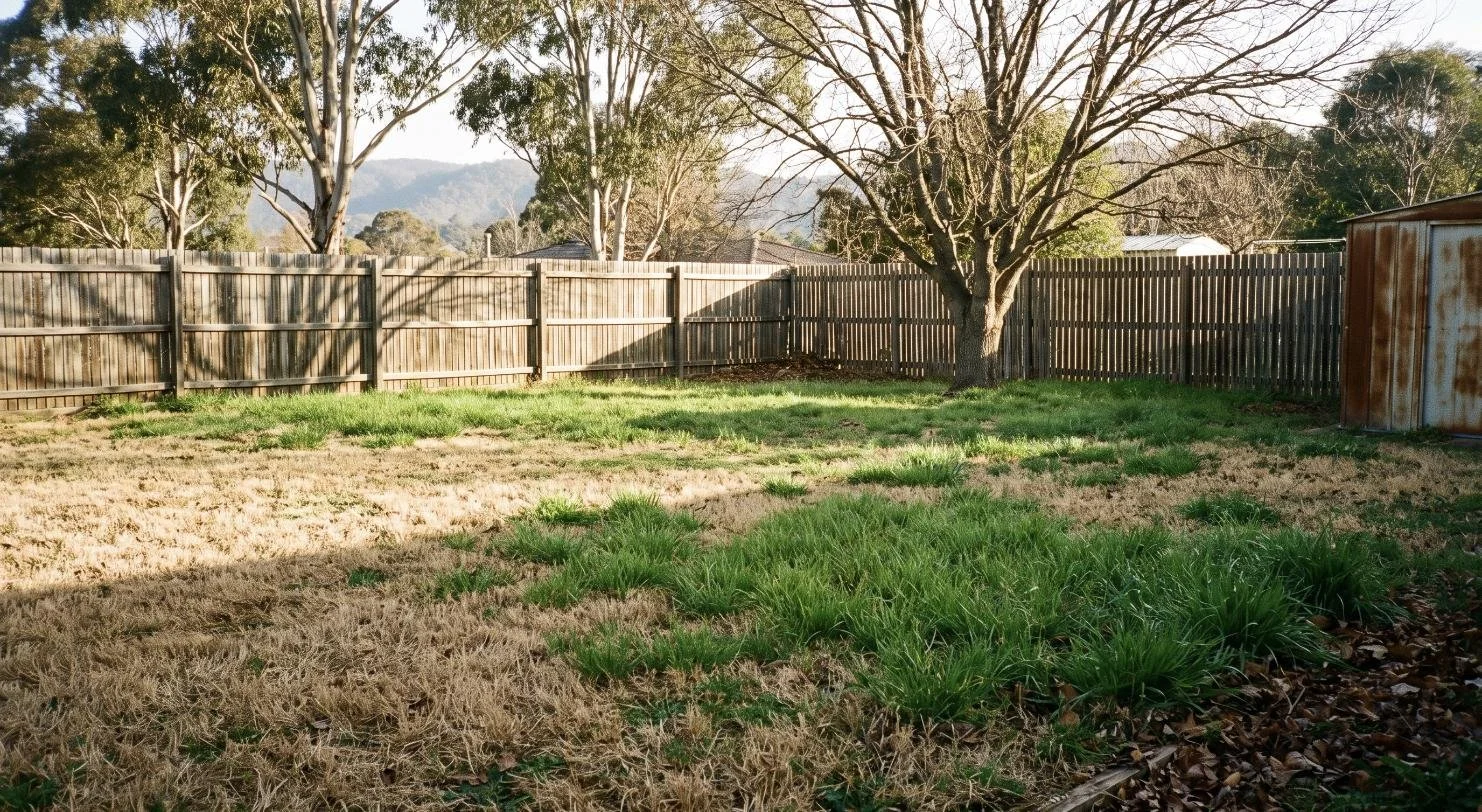
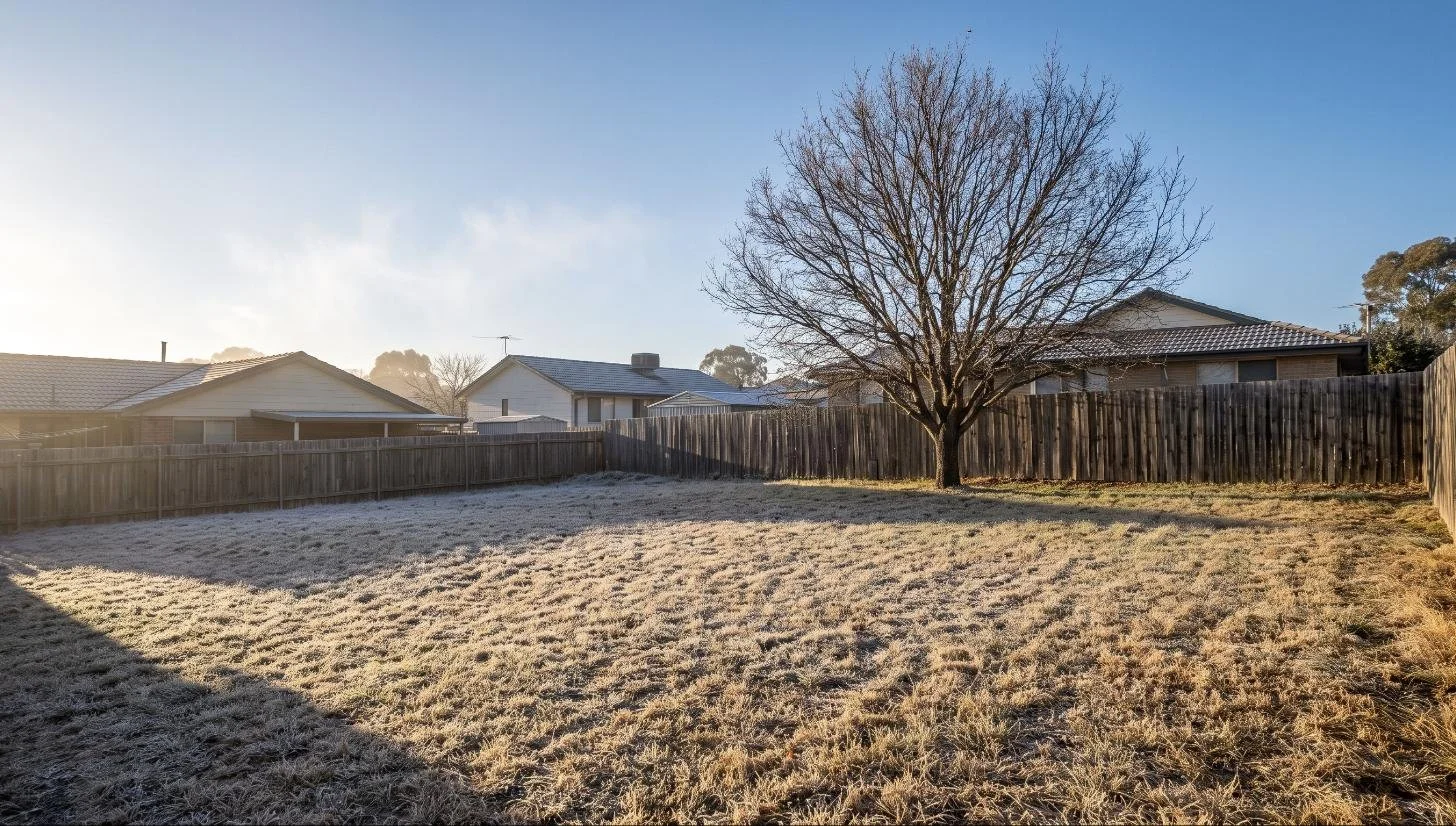
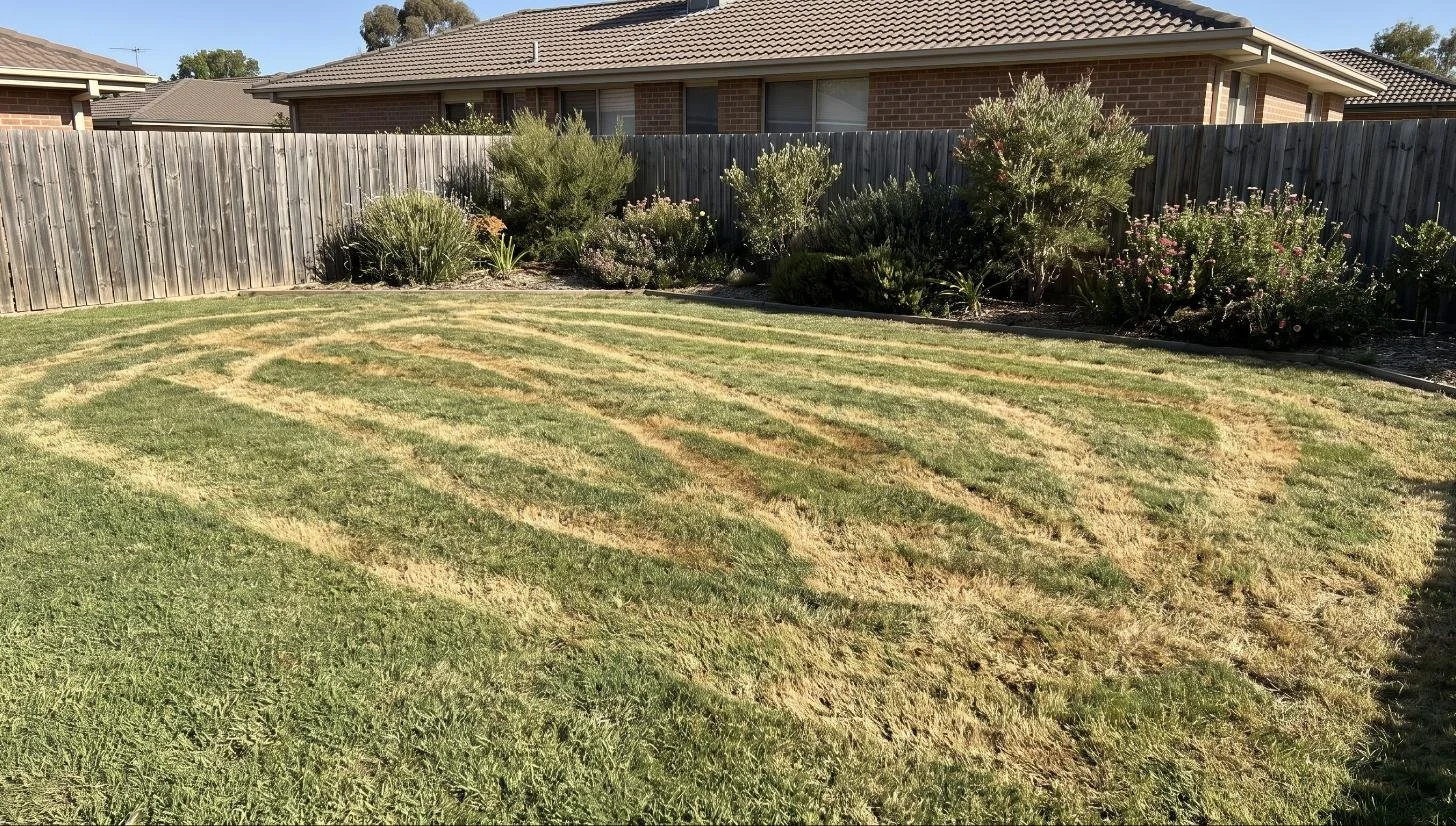
A Canberra couch lawn part-way through spring green-up, with patchy colour returning unevenly across the block.
The quick answer:
A Canberra lawn still brown in mid-spring is usually a warm-season grass waiting on soil temperature, not a lawn that is dead or sick. Couch and kikuyu will not green up properly until soil warmth holds overnight as well as during the day, and our cold nights drag that out well into October. The four causes I check, in order, are soil temperature, grass type and dormancy, nitrogen depletion after winter, and thatch or compaction insulating the soil. Three need patience, one needs intervention, and knowing which is which is the whole job.
Cause one: soil temperature has not caught up
Air temperature is what you feel. Soil temperature is what the grass responds to, and soil lags behind air by weeks. Warm-season grasses need that root-zone warmth held consistently, so a single warm week in September does not do it. A run of warm days with mild nights does.
What holds us back here:
Cold nights. We can hit 25 degrees in the afternoon and 3 degrees before dawn, so the soil gives its heat back overnight and starts each day from a low base.
Late frosts, which run later here than most of the east coast and knock back growth that has already pushed.
Shade and aspect. South-facing sections, areas under eaves and strips beside fences warm weeks later than open lawn, which is why green-up arrives in patches.
Moisture. Cold, wet soil holds its temperature down, so a soggy corner sits several degrees behind the middle of the same lawn.
Signs this is your answer: the lawn is evenly straw-coloured rather than patchy with distinct dead spots, the green that has appeared is on the sunniest parts first, and a runner pulled apart is still firm and pale cream inside.
The treatment for this cause is nothing. Water sensibly, keep traffic off it, mow at a sensible height once it is actively growing, and wait.
Cause two: your grass type is not your neighbour's grass type
This causes the most unnecessary panic in Canberra, because our suburbs are a genuine mix. How the common types behave through our winter and spring:
Couch goes fully dormant. It browns off hard, often by May, and is the slowest of our common lawns to come back. Late green-up is normal behaviour, not failure.
Kikuyu also goes dormant, a little less completely, then comes back aggressively once the soil warms. It can look dreadful in August and thick by November.
Buffalo holds a bit more colour in sheltered positions but still slows right down, and can look bronze rather than green in the cold.
Tall fescue is a cool-season grass. It stays green through winter and grows actively in early spring, while the warm-season lawns are still asleep.
So if the lawn across the road is lush in September and yours is straw, the likely explanation is not that they know something you don't. It is that they have fescue and you have couch, and those two are on opposite seasonal clocks. If you are not certain what you have, settle it properly, because every other decision follows from it. I have written up how to tell them apart in how to identify your grass type in Canberra. If you would rather I just tell you what you have and what it should be doing by October, that is a five minute job on site.
Cause three: nitrogen depletion after a Canberra winter
Now we get to the cause that genuinely needs doing something about. Nitrogen drives leaf colour and growth, and it is also the most mobile nutrient in the soil. Over months of cold and rain it moves below the root zone or is simply used up. A lawn fed well in autumn still comes into spring with less in the bank than people assume. A lawn not fed in autumn comes in with very little.
What low nitrogen looks like during green-up:
The lawn does grow, but the colour is pale, yellowish or washed-out rather than deep green.
Growth stays slow and thin even once the soil has warmed, so you mow less than you would expect in October.
Older, lower leaves yellow first while the newest growth stays greener.
The weak colour is uniform rather than patchy, which separates it from most disease and insect damage.
The distinction that matters is this. A lawn held back by soil temperature barely responds to feeding, because the plant is not metabolising yet. A lawn held back by nitrogen responds once it is growing. That is why timing a spring fertilisation matters far more than the brand on the bag. Feeding a fully dormant couch lawn in early September mostly feeds the weeds, and can push soft growth straight into a late frost.
So I wait until the soil is warm enough for the grass to use what I apply, then feed to suit the grass type and what the soil needs. Whether that is a slow-release granular, a liquid to move colour quickly, or something aimed at a wider imbalance depends on the lawn in front of me, so I will not give you rates here. What each product does and when it suits is covered in the complete guide to lawn fertilisation in Canberra.
Pale colour is not always nitrogen, either. Iron deficiency, high soil pH locking nutrients up and plain compaction all look similar from standing height, and guessing is how people apply three products and fix nothing. A soil test takes that out, and in our clay-heavy soils it regularly turns up something the owner did not expect.
Cause four: thatch and compaction are insulating the soil
This is the cause people rarely consider, and it explains the stubborn lawns. Thatch is the layer of dead stems, runners and organic matter sitting between green leaf and soil. A thin layer is fine. A thick layer works like a blanket, keeping spring warmth from reaching the soil and forcing new shoots up through dead material before they see light. Couch and kikuyu both build it quickly. Compaction does the same from the other direction, since our heavy clay subsoils pack down under traffic and then hold less air, drain poorly and stay colder.
Signs you have one or both:
The lawn feels spongy underfoot, almost like walking on carpet underlay.
You can push a finger through more than about a centimetre of brown fibrous matting before you reach actual soil.
Water sits on the surface or runs off instead of soaking in, or a screwdriver is hard to push into moist soil.
Green-up is patchy in a pattern that matches traffic, the path to the clothesline or the gate.
Both are fixable once the grass is actively growing, because the lawn needs growth to recover from the work. Coring and aeration relieves compaction and gets air, water and warmth into the root zone, and removing a heavy thatch layer does the rest. I would not scarify a lawn that is still mostly dormant, because you are tearing into something that cannot repair itself yet. Timing it against the actual green-up rather than the calendar is the trick.
The diagnostic order I use
If you want to run through this yourself before calling anyone, do it in this sequence.
Identify the grass type. Couch and kikuyu in late September are allowed to be brown. Fescue is not.
Check dormant versus dead. Firm, pale tissue with white roots means dormant. Dry, hollow tissue with no root means dead, and that area needs reseeding rather than patience.
Read the pattern. Even brown points to dormancy, patchy brown to a physical cause, uniform pale green to nutrition.
Feel the surface. Spongy means thatch, rock hard means compaction.
Only then think about feeding, once the lawn is visibly growing.
What I will not do is guess and sell you a treatment on it. If your couch is fine and needs three more weeks, I will say so.
What you can usefully do while you wait
Patience does not mean doing nothing.
Mow a little lower once growth starts, gradually over a few cuts, so sunlight reaches the soil. Do not scalp it in one go.
Water deeply and infrequently rather than little and often. Constantly wet soil stays cold.
Keep heavy traffic off dormant areas. Dormant grass cannot repair wear, so September damage still shows in December.
Get on top of winter weeds early. Bindii, winter grass and clover all grow while your couch sleeps.
For the order the spring jobs fall in, have a read of spring lawn care in Canberra.
Final word
Slow spring green-up in Canberra is usually a timing problem dressed up as a health problem. Our nights stay cold longer than people expect, our suburbs are a patchwork of grasses that behave nothing alike, and the two genuine problems hiding in there, depleted nitrogen and a thatch or compaction layer, both show distinct signs once you know where to look. The mistake I see most is intervening early and blind. Work out what you have, whether it is dormant or dead, read the pattern, and then act.
Key points I get asked on a regular basis
Is my lawn dead or just dormant?
Pull up a few runners from a brown area and look properly. Dormant grass has firm, flexible stems with pale cream tissue inside and visible roots at the nodes. Dead grass is dry, hollow and snaps cleanly with no living root. If a lifted plug shows white root structure in the top few centimetres, the lawn is alive and waiting on warmth. If it comes away as a dry mat with nothing underneath, that section has died and needs renovation rather than time.
When should couch and kikuyu green up in Canberra?
In most years couch starts showing real colour through October and is properly green by early to mid November, with kikuyu a couple of weeks ahead. A cold or wet spring pushes that later, a warm dry one pulls it earlier. Shaded and south-facing strips can lag by two to four weeks, which is why a part-shaded lawn greens up in blotches. If you are still looking at straw in late November, that is worth investigating.
Should I fertilise now to speed up green-up?
Not if the lawn is still fully dormant. A dormant warm-season grass cannot take up and use nitrogen, so the application mostly feeds whatever weeds are growing and can push frost-tender growth at the worst possible time. I wait until the lawn is visibly growing, then feed to suit the grass type and the soil. If it went into winter underfed, the answer is still timing rather than volume.
Why is my neighbour's lawn green when mine is brown?
Almost always because it is a different grass. Tall fescue stays green and actively grows right through a Canberra winter, while couch and kikuyu go fully dormant. Two lawns side by side on opposite seasonal clocks look dramatically different for about two months every spring, and neither is being cared for better than the other. Aspect and shade play a part too, but grass type explains most of it.
Can thatch really stop my lawn from greening up?
Yes, and it is one of the most commonly missed causes. A thick thatch layer works like insulation, keeping spring warmth out of the root zone and forcing new shoots through dead material before they reach light. If the lawn feels spongy and a finger pushes through more than about a centimetre of brown matting before hitting soil, that is likely part of your problem. The background is in my thatch guide, and the fix belongs once the lawn is actively growing, not while it is asleep.
How do I book a lawn assessment in Canberra?
Easiest thing is to book in online and I will come out, identify your grass type, check whether the lawn is dormant or damaged, test the surface for thatch and compaction, and tell you plainly whether to act or wait. If there is work worth doing I will explain what it does and when it should happen, and if the lawn simply needs another three weeks of warmth, I will tell you that too.
Looking for the perfect gift for the lawn enthusiast in your life? The Lawn Firm Gift Cards are the ideal solution. Redeemable for any of our professional lawn care services, these gift cards make it easy to give the gift of a greener, healthier lawn. From fertilisation to weed control and pest management, there’s something for every lawn need.
Why Choose a Lawn Firm Gift Card?
Versatility: Can be used for any service offered by The Lawn Firm.
Thoughtful Giving: A practical gift for anyone who values a beautiful outdoor space.
Simple to Use: Purchase online and enjoy easy redemption.
Order your gift card today and let your loved ones experience the professional touch of The Lawn Firm. It’s the perfect way to show you care while helping someone achieve the lawn of their dreams.
This gift card never expires.