
G'day, Nikolai here from The Lawn Firm. Lime and gypsum are two of the most misunderstood products in the garden shed. I regularly meet Canberra homeowners who have spread one or the other because a neighbour swore by it, only to find the lawn looks no better, or in some cases worse. They are both useful, but they do very different jobs, and neither one is a cure-all.
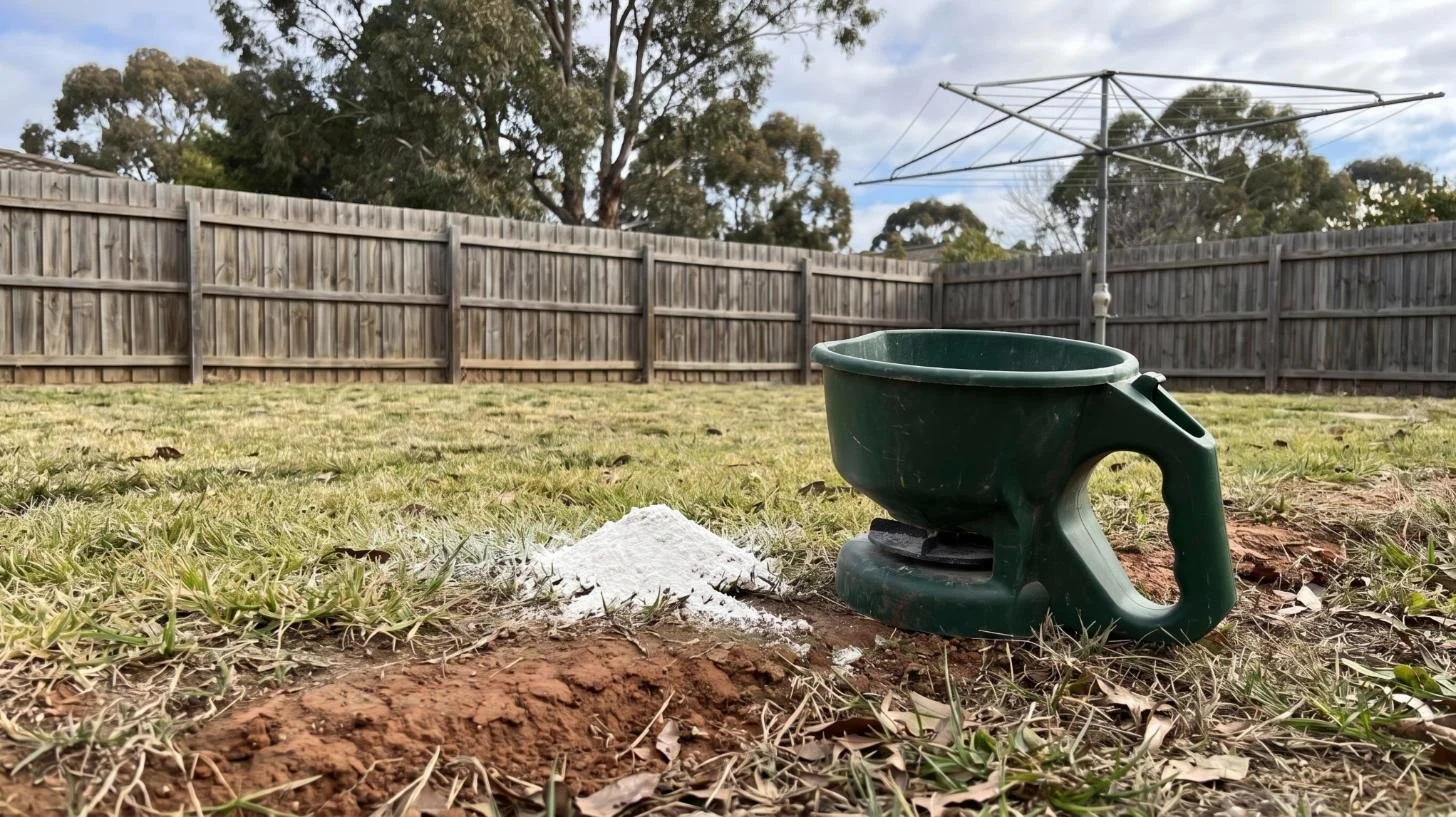
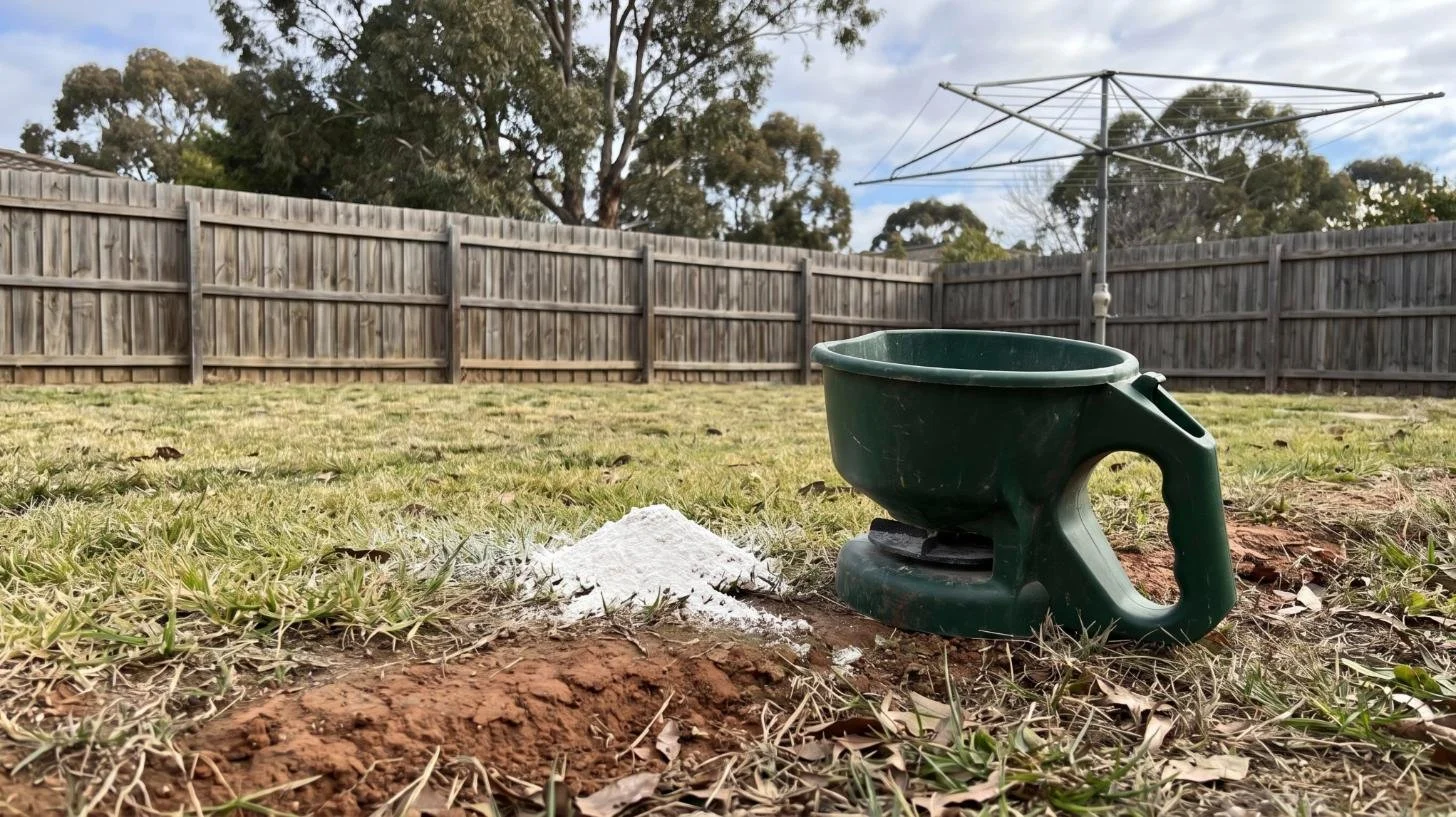
A hand spreader and garden lime beside a patchy lawn on clay soil in a Canberra suburban backyard.
The quick answer: lime or gypsum?
Lime raises soil pH, so it is for lawns growing in soil that is too acidic. Gypsum does not change pH. It adds calcium and sulphur and can help loosen certain types of heavy clay, known as sodic clay. If your soil is acidic, lime may help. If your soil is a sticky, dispersive clay with a reasonable pH, gypsum may help. If your soil is neither, both are a waste of money. The only reliable way to know is a soil test, which is why I always test before I recommend either product.
What lime actually does
Garden lime is calcium carbonate. Dolomite lime is similar but also carries magnesium. When lime breaks down in the soil it neutralises acidity and lifts the pH.
That matters because pH controls how available nutrients are to your grass. In soil that is too acidic, nutrients such as phosphorus, calcium and magnesium become harder for the roots to take up, and fertiliser does not work as well as it should. You can be feeding the lawn properly and still see pale, weak growth. Most lawn grasses are happiest in soil that is slightly acidic to neutral.
Lime is slow. It can take months to move the pH, and it works from the surface down. That is one reason I like to pair it with aeration and coring, which opens channels for it to reach the root zone.
What gypsum actually does
Gypsum is calcium sulphate. It supplies calcium and sulphur without shifting pH in any meaningful way, which makes it useful where the soil needs calcium but the pH is already where it should be.
Its better known job is as a "clay breaker". In sodic clays, the fine clay particles carry too much sodium and collapse into a dense, sticky mass when wet. Gypsum swaps calcium in for that sodium, which helps the particles clump into small crumbs. Water, air and roots can then move through the soil more easily.
The catch is that gypsum only does this on clays that are actually sodic or dispersive. Plenty of heavy soil is hard simply because it is compacted from foot traffic, building work or years without aeration. Gypsum will not fix compaction. That is a mechanical problem and it needs a mechanical answer.
Lime vs gypsum at a glance
Lime raises pH. Gypsum does not.
Lime suits acidic soil. Gypsum suits sodic, dispersive clay.
Both add calcium. Gypsum also adds sulphur, and dolomite lime also adds magnesium.
Both are slow to work and both rely on moisture to move into the soil.
Neither is a fertiliser, and neither replaces a proper feeding programme.
Using either without a reason can create new problems.
Signs your lawn may need lime
None of these signs prove you need lime on their own, because other problems look the same. They are simply clues that make a soil test worthwhile.
Pale or yellowish growth even though you fertilise regularly.
Fertiliser that seems to do very little.
Moss creeping into thin areas. My guide to moss in Canberra lawns covers the other causes, including shade and drainage.
Weeds that tolerate acidic, tired soil moving in while the grass thins out.
A long history of nitrogen-heavy feeding, which can slowly acidify soil over the years.
If your lawn is pale, my article on why a lawn goes yellow walks through the full list of possible causes, and pH is only one of them.
Signs your lawn may need gypsum
Heavy clay that is sticky and slick when wet, then sets like concrete and cracks when dry.
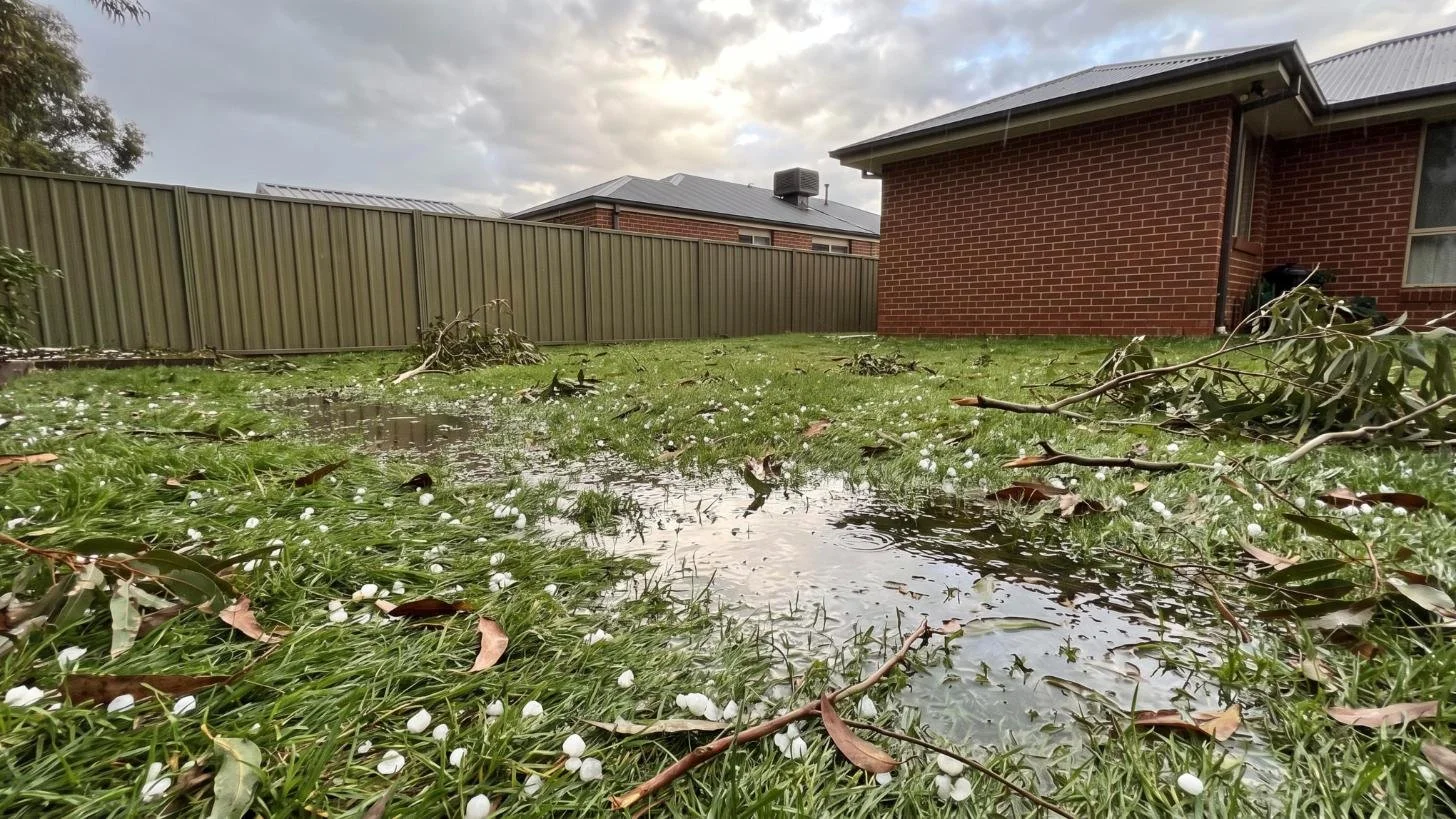
Water that pools on the surface and takes a long time to soak away.
A cloudy, milky look to puddles, which can point to dispersive clay.
Grass with shallow roots that struggles through both wet winters and dry summers.
You can do a rough check at home. Drop a small, dry crumb of your clay into a glass of rainwater or distilled water and leave it alone for a few hours. If a milky cloud spreads out around the crumb, the clay is dispersing and may respond to gypsum. If the water stays clear and the crumb simply slumps or holds together, gypsum is unlikely to change much. It is a useful home test, but it is a guide, not a diagnosis.
For the broader picture on wet, heavy ground, see my guide to clay soil drainage for Canberra lawns.
Why I always test before treating
Canberra soils vary a great deal from suburb to suburb, and even from the front yard to the back. Older suburbs often have heavy clay subsoil close to the surface. Newer estates frequently have a thin layer of imported topsoil over compacted fill, as I explain in my guide to new build lawns. Some soils here lean acidic and some sit close to neutral or above it.
Spreading lime on soil that is already neutral or alkaline pushes the pH too high. That can lock up iron and manganese and leave you with a yellow lawn caused by the very product meant to help. Fixing an over-limed soil is slow and frustrating.
A soil test tells me the pH, the calcium and magnesium balance, and whether sodium is a problem. From there I can work out whether you need lime, dolomite, gypsum, a combination, or nothing at all. My article on understanding soil health and pH explains the numbers in more detail. That is the difference between guessing and diagnosing.
Can you use lime and gypsum together?
Yes, in the right situation. Some lawns sit on acidic soil that is also a dispersive clay, and those can benefit from both. They do different jobs, so one does not cancel out the other. I still would not apply the pair as a routine "just in case" treatment. How much of each, and in what order, should come from the test results and not from the back of a bag.
When and how they are applied
I keep specific rates out of general advice because the right amount depends entirely on your soil type and test results. Sandy soils and clay soils need very different quantities to achieve the same change. What I can give you are the principles.
Autumn and spring are generally the kindest times, when the soil is moist and the lawn is not under heat stress.
Spread evenly. Heavy patches and missed strips give uneven results.
Water in afterwards so the product starts moving into the soil and does not sit on the leaf.
Combine with coring where possible so the product gets below the surface.
Avoid applying lime at the same time as some fertilisers, as lime can react with certain nitrogen sources and waste the nitrogen. I usually leave a gap of a few weeks between the two.
Be patient and retest. Changing soil chemistry takes months, and a follow-up test shows whether the job is done.
If you are also planning to feed the lawn, my complete guide to lawn fertilisation and my comparison of liquid and granular fertiliser will help you plan the timing.
What lime and gypsum will not fix
Much of the disappointment with these products comes from asking them to solve the wrong problem.
Compaction. Hard ground from traffic needs aeration, not gypsum.
Water repellent soil. If water beads and runs off dry patches, you are more likely dealing with hydrophobic soil.
Thatch. A spongy layer at the surface needs dethatching.
Pests and disease. Brown patches from grubs or fungus will not respond to either product.
Shade and poor light. No soil amendment replaces sunlight.
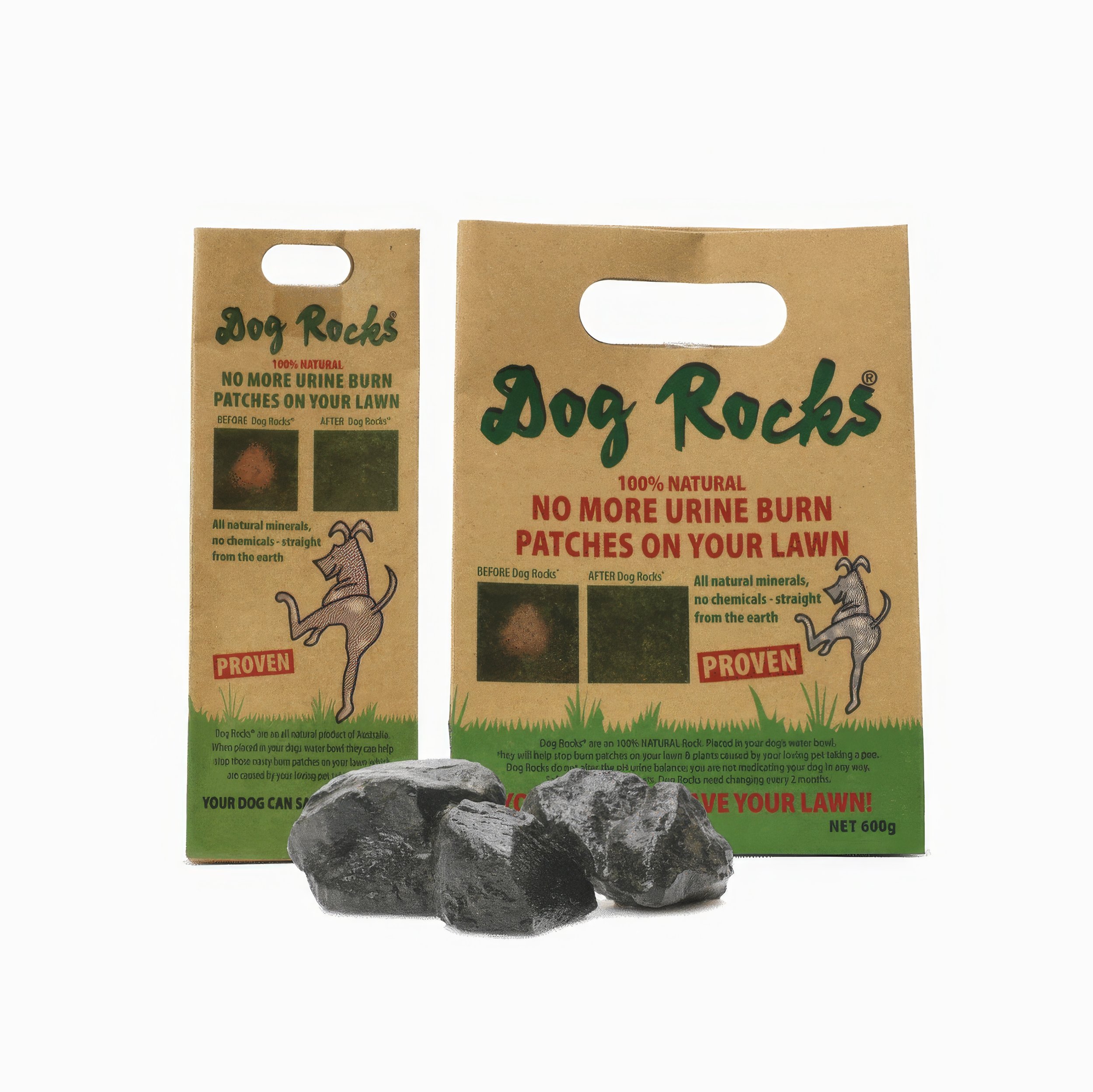
Dog urine burn. Lime and gypsum are sometimes suggested for this, but urine damage comes from concentrated nitrogen and salts, and I have not seen either product reliably fix it.
My process for soil problems
Look at the lawn, the grass type, the drainage and the history of the site.
Take soil samples from the areas that are struggling and the areas doing well.
Read the results for pH, calcium, magnesium, sodium and nutrient levels.
Recommend lime, dolomite, gypsum, a combination or none, based on the numbers.
Combine the treatment with aeration, top dressing or feeding where it makes sense.
Retest later to confirm the soil has moved in the right direction.
This slots naturally into a year-round lawn maintenance programme, so soil corrections are timed around feeding, coring and seasonal growth.
Final word
Lime and gypsum are both good tools when the soil genuinely needs them. Lime corrects acidity. Gypsum helps sodic clay and supplies calcium without touching pH. Used on the wrong soil, they cost you money and time, and lime in particular can set a lawn back. Test first, treat second, and give the soil time to respond.
Key points I get asked on a regular basis
Does my lawn need lime or gypsum?
It depends on your soil. Lime is for soil that is too acidic, and gypsum is for sodic clay or soil that needs calcium without a pH change. Many Canberra lawns need neither. A soil test is the reliable way to find out.
Will gypsum break up my clay soil?
Only if the clay is sodic or dispersive. Gypsum helps those clays form a better crumb structure over time. It will not loosen soil that is simply compacted, which needs aeration instead.
Can I put lime on my lawn without a soil test?
I would not. If the soil is already neutral or alkaline, lime can push the pH too high and lock up nutrients such as iron, leaving the lawn yellow. Testing first avoids creating a new problem.
How long do lime and gypsum take to work?
Both are slow. Expect several months before you see a real change, and longer on heavy soils. Coring beforehand and watering in afterwards helps them reach the root zone. Results vary with soil type and weather.
Is lime or gypsum safe for pets and children?
Standard garden lime and gypsum are low-risk products when used as directed, but the dust can irritate eyes, skin and airways. I recommend watering the product in and keeping pets and children off the lawn until it has settled and the surface is dry. Always follow the label, and avoid hydrated or builder's lime on lawns, as it is caustic.
How do I book a soil assessment for my lawn in Canberra?
Easy. Book a Free Assessment and I will look at your soil, drainage and grass type, arrange testing where it is needed, and tell you plainly whether lime, gypsum or something else will help.
Looking for the perfect gift for the lawn enthusiast in your life? The Lawn Firm Gift Cards are the ideal solution. Redeemable for any of our professional lawn care services, these gift cards make it easy to give the gift of a greener, healthier lawn. From fertilisation to weed control and pest management, there’s something for every lawn need.
Why Choose a Lawn Firm Gift Card?
Versatility: Can be used for any service offered by The Lawn Firm.
Thoughtful Giving: A practical gift for anyone who values a beautiful outdoor space.
Simple to Use: Purchase online and enjoy easy redemption.
Order your gift card today and let your loved ones experience the professional touch of The Lawn Firm. It’s the perfect way to show you care while helping someone achieve the lawn of their dreams.
This gift card never expires.