
When Is the Best Time to Lay Turf in Canberra?
G'day, Nikolai here from The Lawn Firm. Laying turf is one of the few lawn jobs where getting the timing right is worth more than getting the product right. I have seen beautifully chosen, expensive turf fail because it went down in the wrong month, and I have seen cheap turf thrive because it went down in the right one.
The question I get asked most often is simply when. When should I do it, and does it really matter that much in Canberra. It matters a lot here, more than it does in Sydney or Brisbane, because we get genuine frost at one end of the year and genuine heat at the other. Instant turf has no root system when it arrives. It is a slab of grass and soil sitting on your ground, and it has to grow roots down into that ground before it can look after itself. Everything about timing comes back to giving it a fair chance to do that.
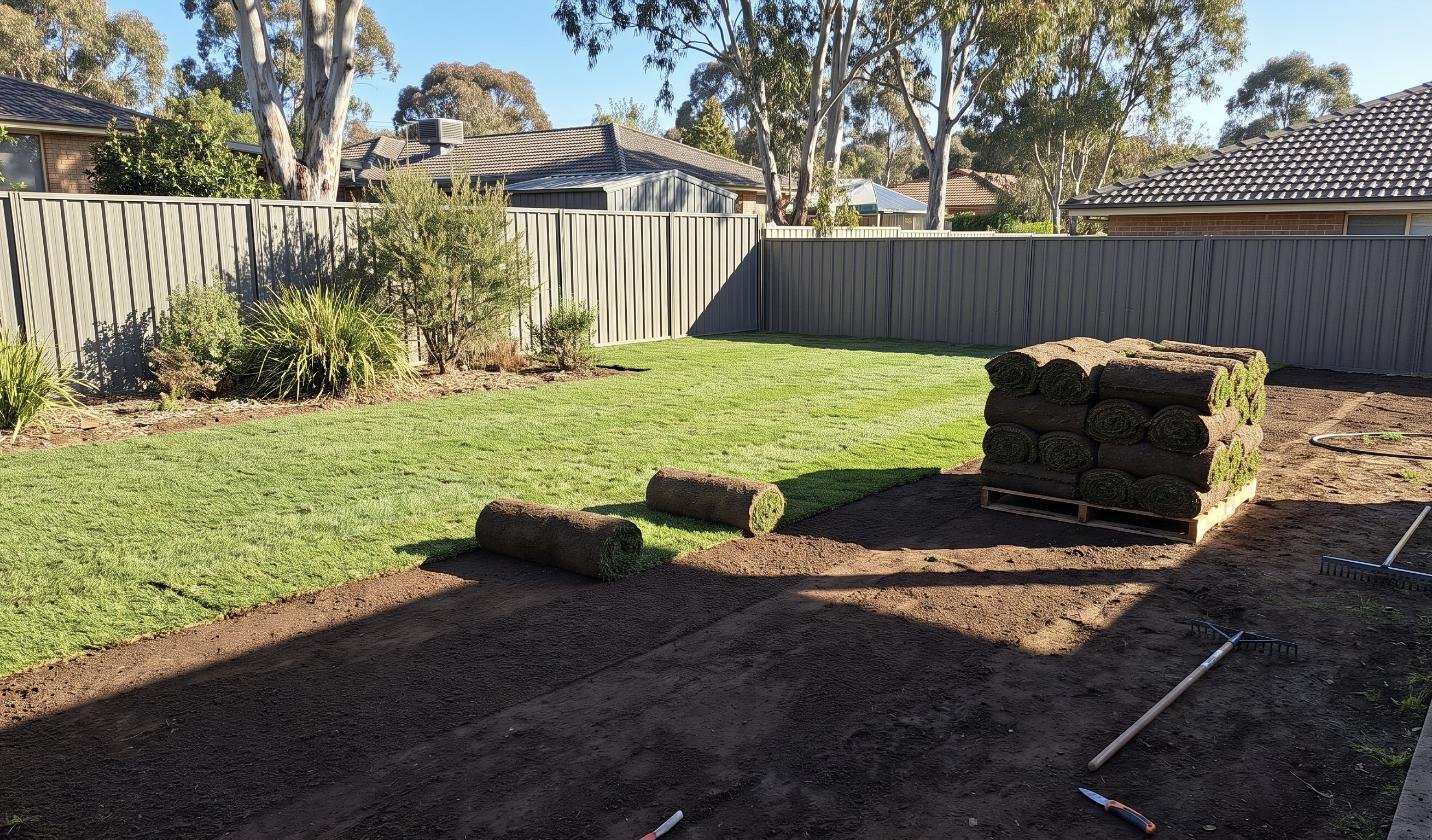
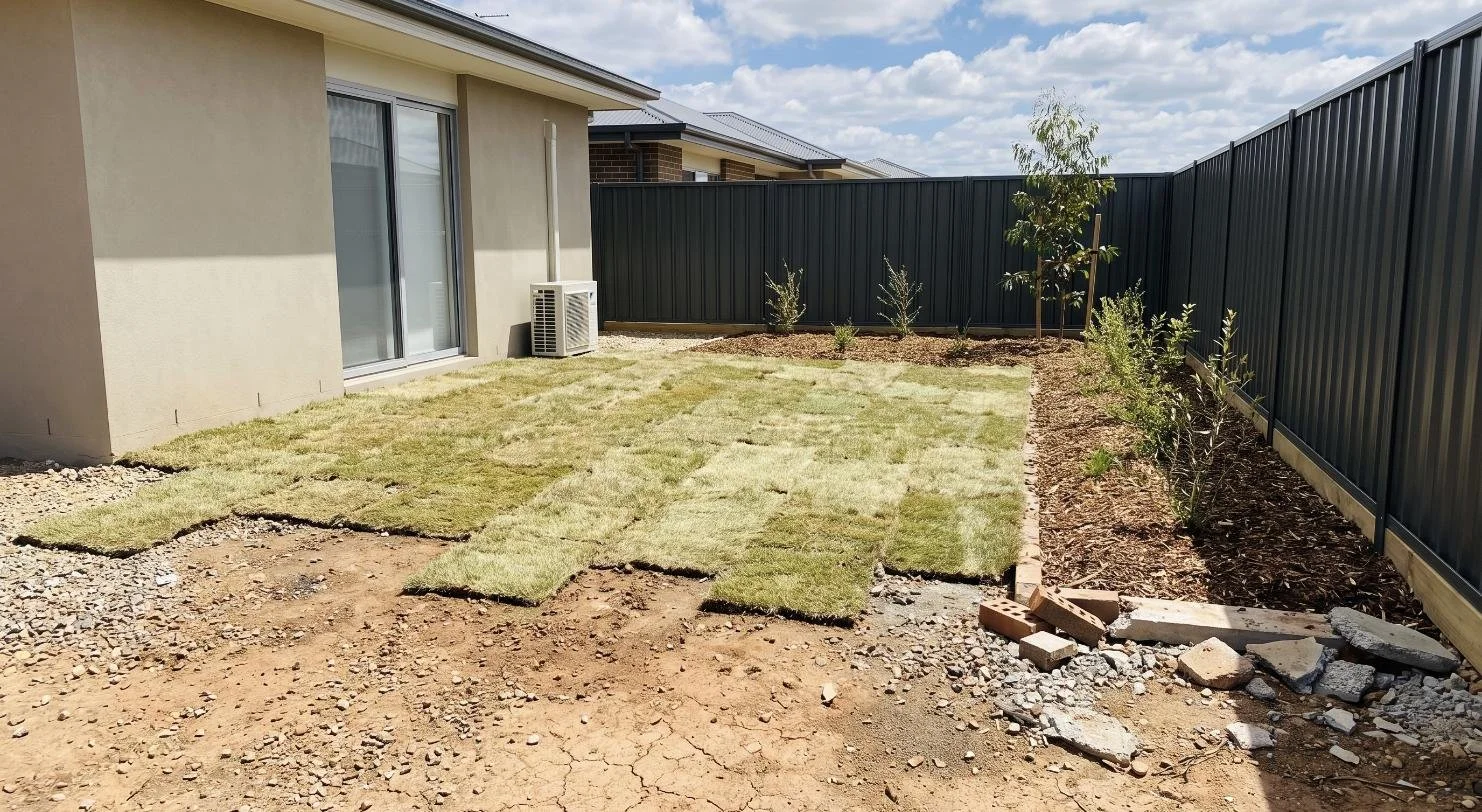
Fresh rolls of instant turf part unrolled over prepared soil in a Canberra suburban backyard
The quick answer: the best time to lay turf in Canberra
The best time to lay turf in Canberra is spring, from September through to early December, with early autumn, March into early April, a strong second choice.
Both windows give you the same thing: soil that is warm enough to drive root growth, combined with air temperatures that are mild enough that the turf is not losing water faster than it can take it up.
Best: September to early December. Warming soil, reliable growth, the full growing season ahead.
Very good: March to early April. Soil still warm from summer, cooling air, less watering pressure.
Possible but harder: mid December to February. It will work, but the watering demand is high and unforgiving.
Avoid if you can: late May through August. Cold soil means the turf just sits there without rooting down, and it is exposed to frost while it does.
If someone tells you that you can lay turf any time of year in Canberra, that is technically true. What is also true is that turf laid in July will still be sitting loose on the surface in September, while turf laid in October will have knitted down within three weeks.
Why timing matters more in Canberra than most places
Canberra's climate is the reason. We are inland and elevated, so we get a much wider annual temperature swing than the coastal cities.
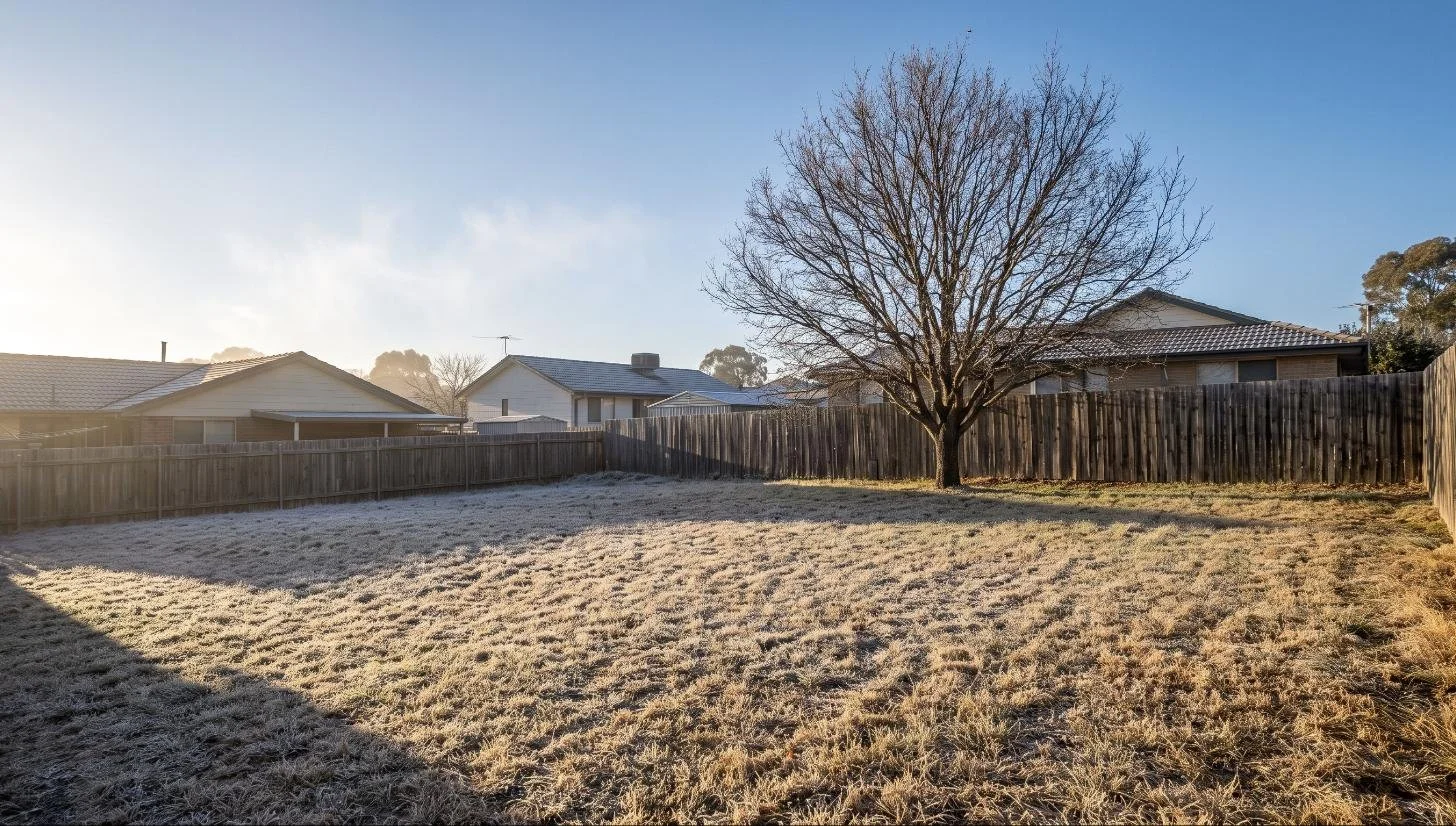
Frost is the winter problem. Newly laid turf has shallow, damaged roots and no established connection to the soil beneath it. Frost lifts and desiccates that root zone. On top of that, cold soil effectively pauses root growth altogether. Turf laid in June is not establishing, it is just waiting, and while it waits it is vulnerable to drying out, shrinking and gapping at the seams.
Heat is the summer problem. In January a new lawn can need watering twice a day, every day, for a fortnight. Miss a day in a 35 degree week and you can lose whole slabs. It is doable, but there is no margin for error, and if your household is going away over Christmas it is a bad plan.
Spring and autumn are the sweet spots because soil temperature and air temperature are both in a workable range at the same time. That is a narrower overlap here than it is further north.
What grass type does to the timing
The turf variety you choose changes the picture, so this is worth settling before you book a delivery date.
Warm season turf such as couch, kikuyu, buffalo and zoysia needs warm soil to root. These are the varieties most commonly laid in Canberra backyards. Spring is clearly their best window, because they are entering their active growth period and have the whole summer to establish. Laying warm season turf in late autumn is a poor idea, because they head into dormancy and simply will not root down before winter.
Cool season turf such as tall fescue is more forgiving at the shoulders of the year. It will root in cooler soil than couch will, which makes autumn a genuinely good option, and it handles Canberra frost better once established. It is less tolerant of extended summer heat, which makes a midsummer install harder.
If you have not settled on a variety yet, my guide to choosing the best turf for Canberra lawns goes through the trade offs for shade tolerance, wear, water use and frost hardiness. It is worth reading before you order, because the variety decision and the timing decision are linked.
Preparing the ground: the part that decides everything
Here is the uncomfortable truth about laying turf. The turf is the easy bit. It is the preparation underneath that decides whether you have a good lawn in three years or a thin, patchy one.
Turf laid on unprepared ground will look perfect for about six weeks and then start telling you the truth.
Clear the area completely. Remove old grass, weeds and debris. Any perennial weed left in place will come back up through your new lawn, and it is far harder to deal with then. Nut grass and couch runners in particular need to be resolved before the turf goes down, not after.
Fix the soil, not just the surface. Most Canberra blocks have clay somewhere in the profile. If yours holds water after rain or sets hard when dry, that is a problem your new turf will inherit. Cultivate the top 100 to 150mm and incorporate a quality underlay or sandy loam blend. If drainage is genuinely poor, deal with it now, because you cannot fix it later without lifting the lawn. My guide to clay soil drainage for Canberra lawns covers the options.
Test the soil if you are unsure. New lawn installation is the one moment where you have complete access to the soil profile. It is by far the cheapest time to correct a pH problem or a nutrient deficiency. A soil test before you order turf is money very well spent.
Level and grade properly. Establish your falls away from the house, then level the surface carefully. Rake, roll lightly, water, and let it settle for a few days before final levelling. Small dips you ignore now will become the puddles and scalped high spots you complain about for years. Fixing them later means levelling a bumpy lawn, which is a much bigger job than getting it right at the start.
Apply a starter fertiliser. A phosphorus containing starter feed raked into the prepared surface gives the roots something to reach for immediately.
Book a Free Assessment if you would like me to look at your soil and site before you commit to a turf order. Getting the preparation specification right is where the value is.
Ordering and laying: practical timing
Order for same day laying. Instant turf is a live product harvested in slabs. It starts deteriorating the moment it is cut, and a pallet left stacked in the sun for two days will be yellow and heating in the middle. Book your delivery for the morning of the day you intend to lay it, and have the ground fully prepared before it arrives.
Lay it immediately, in a brick pattern. Start from a straight edge such as a path or fence line. Butt the slabs tightly against each other with staggered joins, so seams do not line up in long runs. Do not stretch or overlap. Gaps dry out and become weed entry points.
Do not walk on it while laying. Work from boards on the laid turf if you have to move across it.
Water within half an hour of laying. Not at the end of the day. Water each section as you go if the area is large. This first watering is the one that matters most, and it needs to go right through the turf slab and into the soil beneath, not just wet the leaf.
Roll it lightly if you can. A light roll pushes the turf into contact with the soil underneath, which is what allows roots to bridge the gap.
The first two weeks: where new lawns are won or lost
Everything up to this point is preparation. The next fortnight is when the turf either roots down or does not.
Days 1 to 7. Keep the soil beneath the turf consistently moist. In spring in Canberra that usually means watering once or twice daily. Do not let the edges of the slabs dry out and curl, because edges dry first and they are the hardest part to bring back. Stay off the lawn entirely.
Days 8 to 14. Start reducing frequency and increasing volume per watering. This encourages roots to chase moisture downwards instead of staying shallow. Test whether it has rooted by lifting a corner gently. If it resists, roots are going in.
Weeks 3 to 8. Water deeply but less often. Take the first cut once the turf holds firm when you tug it, usually at around three weeks. Take only the top third of the leaf, with a sharp blade, and mow higher than you eventually intend to. Keep traffic light.
I have written the full establishment sequence up separately in my guide to caring for new turf in Canberra over the first eight weeks, which goes into the watering schedule, first mow and first feed in much more detail.
One point worth flagging. Do not put a weed treatment on new turf. Young turf has no tolerance for herbicide, and a few weeds appearing in the first couple of months are normal and best left alone until the lawn is established. Once it is settled in, my guide to common lawn weeds in Canberra will help you identify what has turned up.
Final word
If you are planning a new lawn in Canberra, work backwards from the laying date rather than forwards from when the turf happens to be available. Pick your window, spring for preference, then give yourself two or three weeks beforehand to prepare the ground properly. Order the turf for the morning you intend to lay it. Then commit to two weeks of disciplined watering.
Turf that is laid in the right month, onto properly prepared soil, and watered correctly for a fortnight will look after itself from there. Turf that is laid in July onto compacted clay will need help for years.
If you would like me to assess your site, check the soil and tell you the right window and the right preparation for your block, Book a Free Assessment and I will come and have a proper look.
Key points I get asked on a regular basis
Can you lay turf in winter in Canberra?
You can, but I would not choose to. Canberra soil temperatures through June, July and August are too low for meaningful root growth, so the turf sits on the surface rather than knitting in, and it is exposed to frost while it does. Slabs shrink, seams open up and edges dry out. If circumstances mean winter is your only option, cool season turf such as fescue copes better than couch or kikuyu, keep foot traffic off it entirely, and accept that it will not really establish until the soil warms in September.
How long does new turf take to establish in Canberra?
In a good spring window, expect it to hold firm when you tug it at around two to three weeks, take its first cut at around three weeks, and be reasonably established at six to eight weeks. Full establishment, meaning a root system deep enough that the lawn can handle normal traffic and go a few days between waterings, generally takes two to three months. Turf laid in cooler conditions takes considerably longer, which is the main argument for laying inside the recommended windows.
How long before I can walk on new turf?
Stay off it entirely for the first two weeks except for essential watering checks, and even then work from a board. Light foot traffic is usually fine from around three to four weeks once the turf has rooted and taken its first cut. Hold off on heavy use, children playing and pets running on it for six to eight weeks. Traffic on turf that has not rooted shifts the slabs, opens the seams and compacts the soft prepared soil underneath, which undoes your preparation work.
Do I need to prepare the soil or can I lay turf straight onto dirt?
You need to prepare it. Turf laid straight onto compacted or untreated ground will look fine for about six weeks and then begin to struggle, because the roots cannot penetrate and the lawn stays shallow and drought prone permanently. At minimum, clear all existing weeds and grass, cultivate the top 100 to 150mm, incorporate a quality underlay blend, level and grade it, and apply a starter fertiliser. This is the one stage you cannot revisit later without lifting the lawn.
Is it better to lay turf in spring or autumn in Canberra?
Spring for most Canberra lawns, particularly warm season varieties like couch, kikuyu and buffalo, because they root fastest in warming soil and get the full growing season to establish. Autumn works well for cool season turf such as fescue, and it has the advantage of much lower watering demand than spring or summer. The autumn window is narrower though. March into early April is workable, but by late April the soil is cooling and you are running out of establishment time before frost.
How do I book a new lawn assessment in Canberra?
The simplest way is to Book a Free Assessment. I will come out and look at your site, check the soil and drainage, talk through which turf variety suits your yard and how it will be used, and tell you the right window to lay it in. Getting the preparation and the timing right is where most of the long term value in a new lawn sits, so it is worth having a proper look before you order anything. There is no cost or obligation.

Looking for the perfect gift for the lawn enthusiast in your life? The Lawn Firm Gift Cards are the ideal solution. Redeemable for any of our professional lawn care services, these gift cards make it easy to give the gift of a greener, healthier lawn. From fertilisation to weed control and pest management, there’s something for every lawn need.
Why Choose a Lawn Firm Gift Card?
Versatility: Can be used for any service offered by The Lawn Firm.
Thoughtful Giving: A practical gift for anyone who values a beautiful outdoor space.
Simple to Use: Purchase online and enjoy easy redemption.
Order your gift card today and let your loved ones experience the professional touch of The Lawn Firm. It’s the perfect way to show you care while helping someone achieve the lawn of their dreams.
This gift card never expires.